
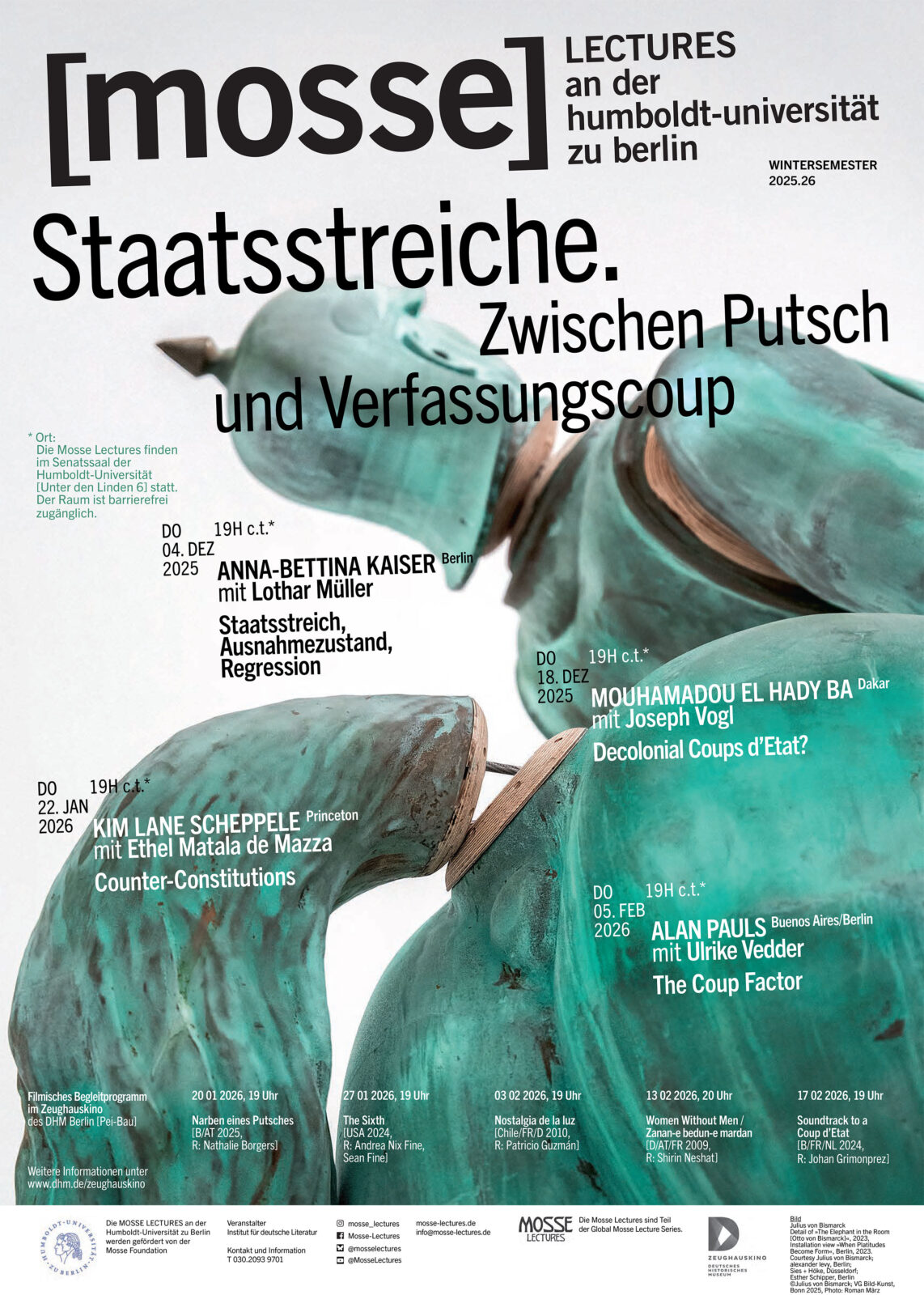
2026: Alan Pauls: “The Coup Factor”
Alan Pauls: “The Coup Factor”
Humboldt University Berlin Mosse Lecture
mosselectures.wisc.edu/berlin/
Thursday, 5 February 2026, 19:15 CET
Senatssaal of Humboldt University
Unter den Linden 6
10117 Berlin
GERMANY
Sponsored by:
[mosse] LECTURES an der humboldt-universität zu berlin
The Mosse Foundation
Global Mosse Lecture Series
Institut für deutsche Literatur
Humboldt University
ZeughausKino
Moderator: Ulrike Vedder (Humboldt University)
Lecture Description: What is it like to live through a coup d’état? What kind of subjective experience does the rupture imposed by a brutal dictatorship create in everyday life? In March 1976, when the military junta seized power in Argentina, Alan Pauls was sixteen years old. Like many of his generation, the dictatorship led by Jorge Rafael Videla left an indelible mark on him—perhaps forever—eroding any hope of continuity with the specter of a brutal break that divides history into a radical before and after.
Lecture Series Theme: Coups d’état: Zwischen Putsch und Verfassungscoup [Between military Coups and Constitutional Captures]
The complex interplay of visibility in politics can be part of the performance of coups d’état, which, as acts of seizing power, exhibit a unique form of theatricality. From coups captured on camera to the exploitation of social media to undermine the separation of powers, autocratic takeovers frequently resemble political spectacles. It is therefore unsurprising that they have been recounted and filmed so often. This semester’s Mosse Lectures will be complemented by an accompanying program on coups in film, which will be shown on five evenings in January and February 2026, in collaboration with the Zeughauskino at Deutsches Historisches Museum in Berlin.
Lecture Series Description: Writing at the beginning of the 20th century, Max Weber observed that, owing to its internally rationalized structure, the modern bureaucratic state apparatus has replaced »revolutions« with »coups d’état.« This observation remains as relevant today as it was at the time. Moreover, we are currently witnessing another significant change. In Europe and the United States, the classic coup d’état is being replaced by the gradual transformation of the constitution, characterized by its erosion from within and the dynamic breakdown of the rule of law and the separation of powers, driven by elected governments. »Democratic backsliding today begins at the ballot box,« write Steven Levitsky and Daniel Ziblatt in ›How Democracies Die‹ [2018]. At the same time, there are still military coups, as seen in West Africa. The Mosse Lectures aim to shed light on the forms of coups d’état in historical and systematic terms, examining the accompanying cultural shifts in power. What significance does the coup d’état have in times of a general »return to authoritarianism« and a re-emergence of traditional masculinity? What role does the rise of the tech elite play in the weakening of democratic institutions? What new insights can a postcolonial perspective on coups d’état offer? Can the undermining of democracies be curbed in time by identifying and visualising patterns? The Mosse Lectures address these questions, focusing on Europe, the United States, West Africa, and South America.
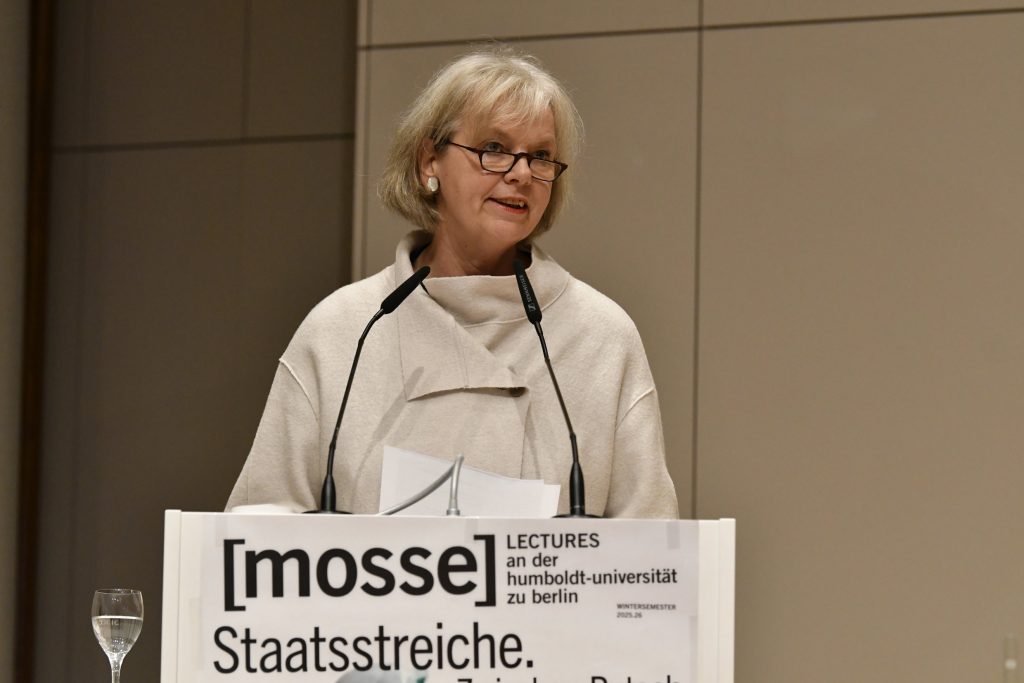
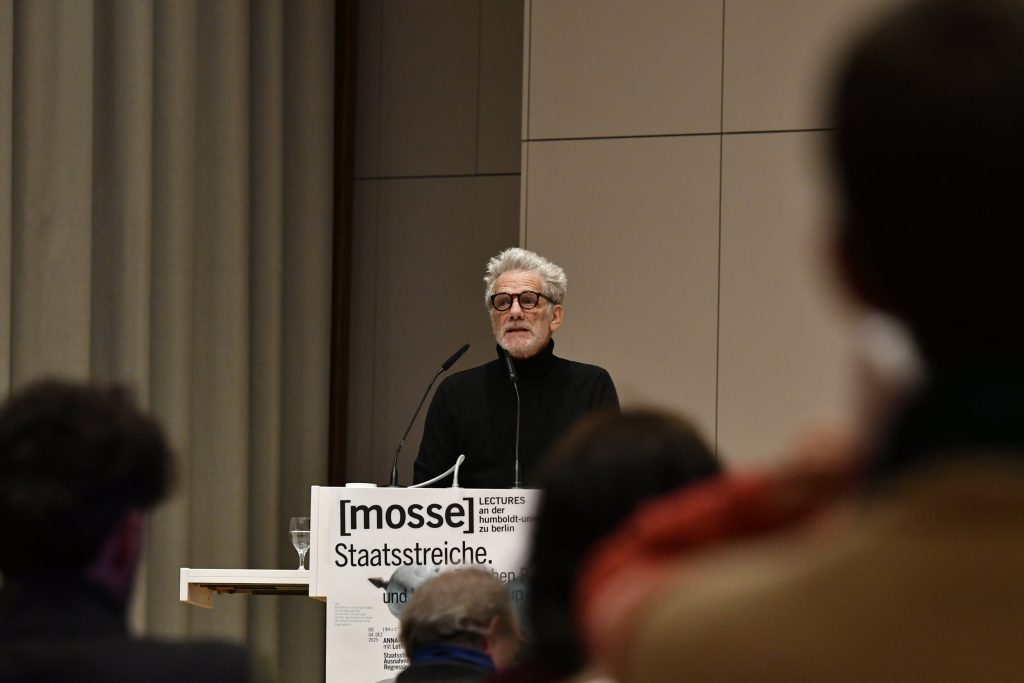
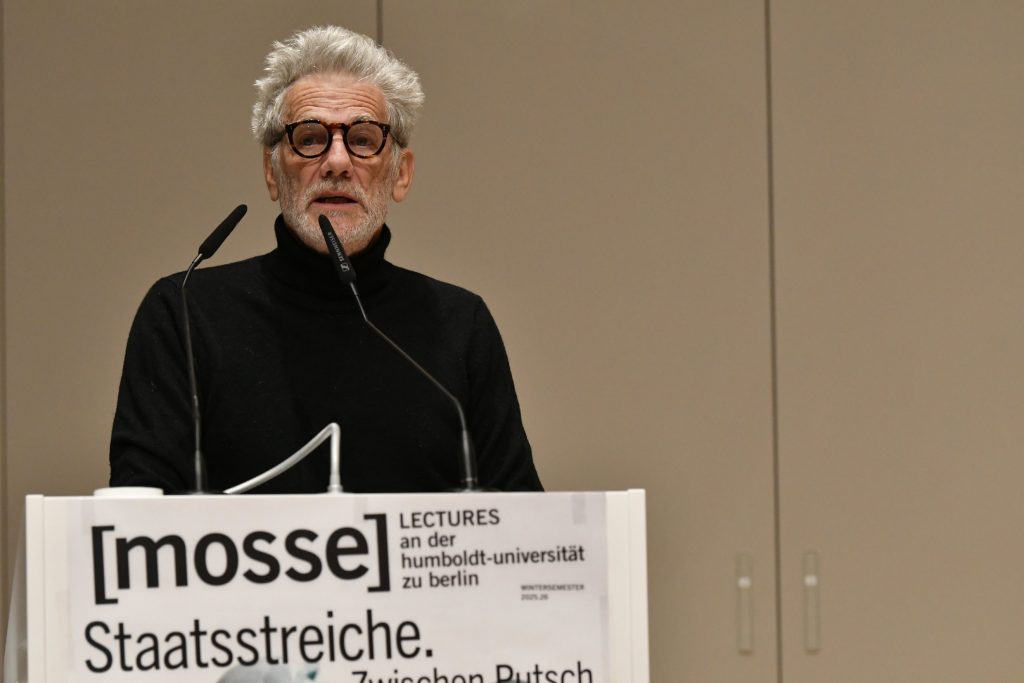
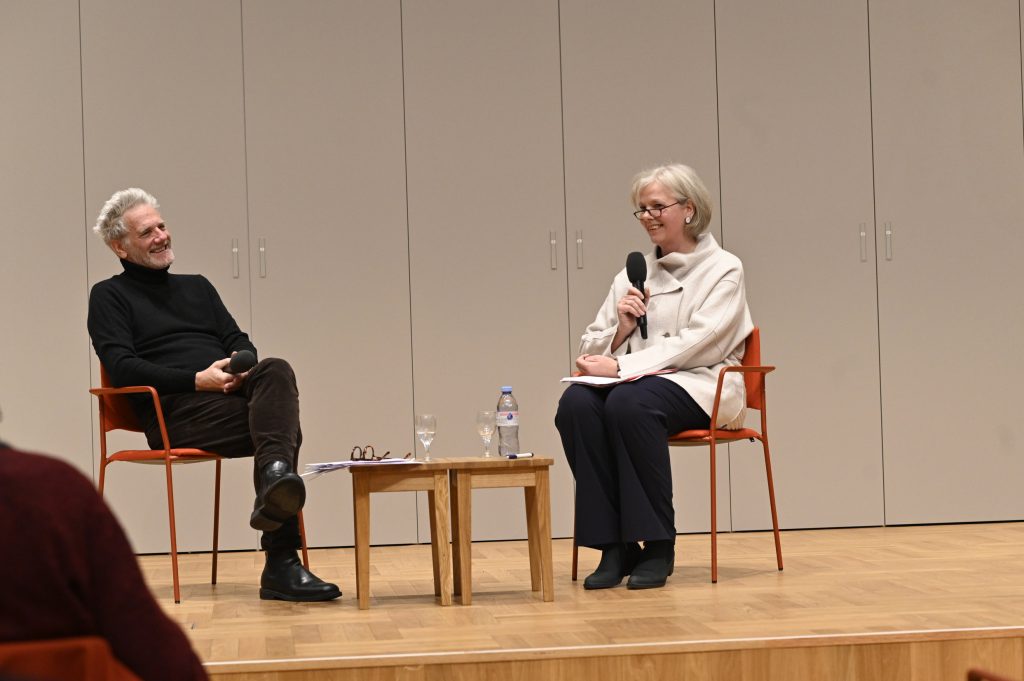
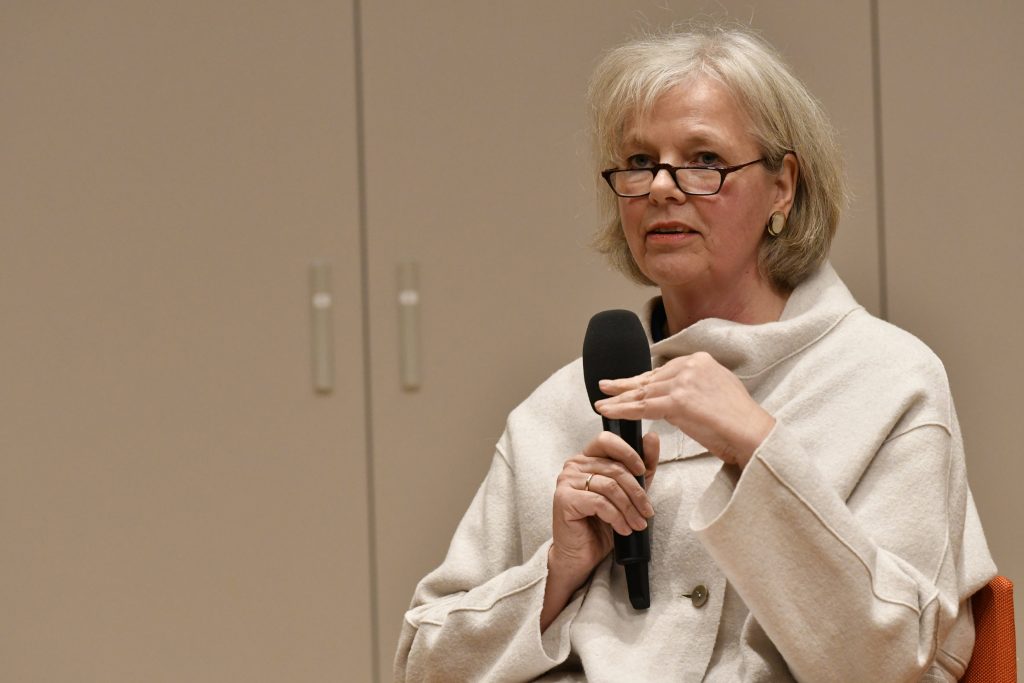
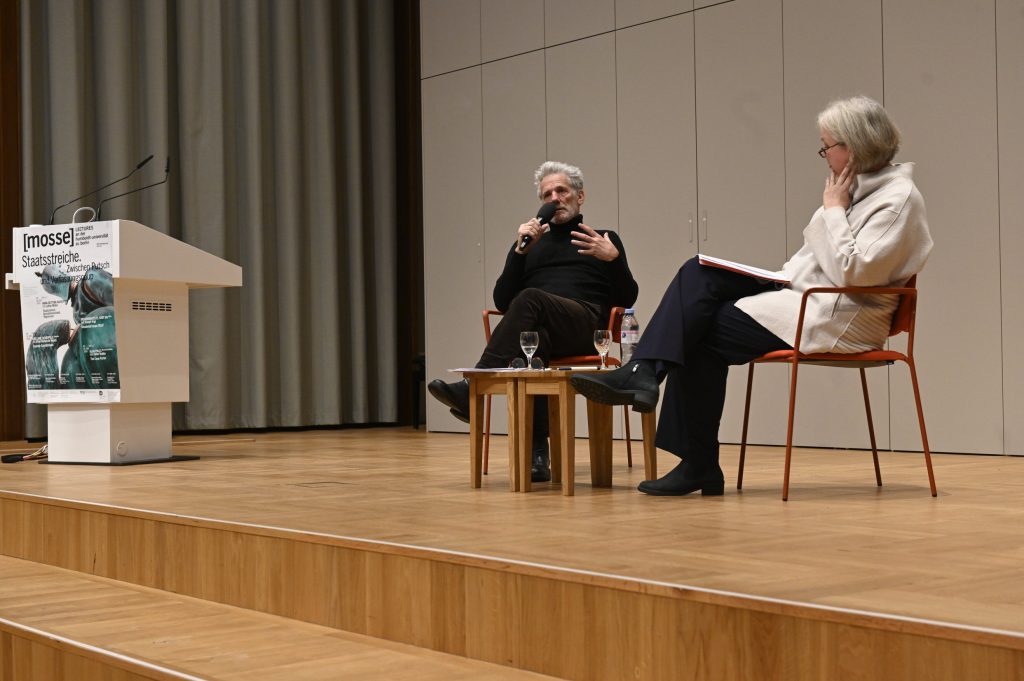
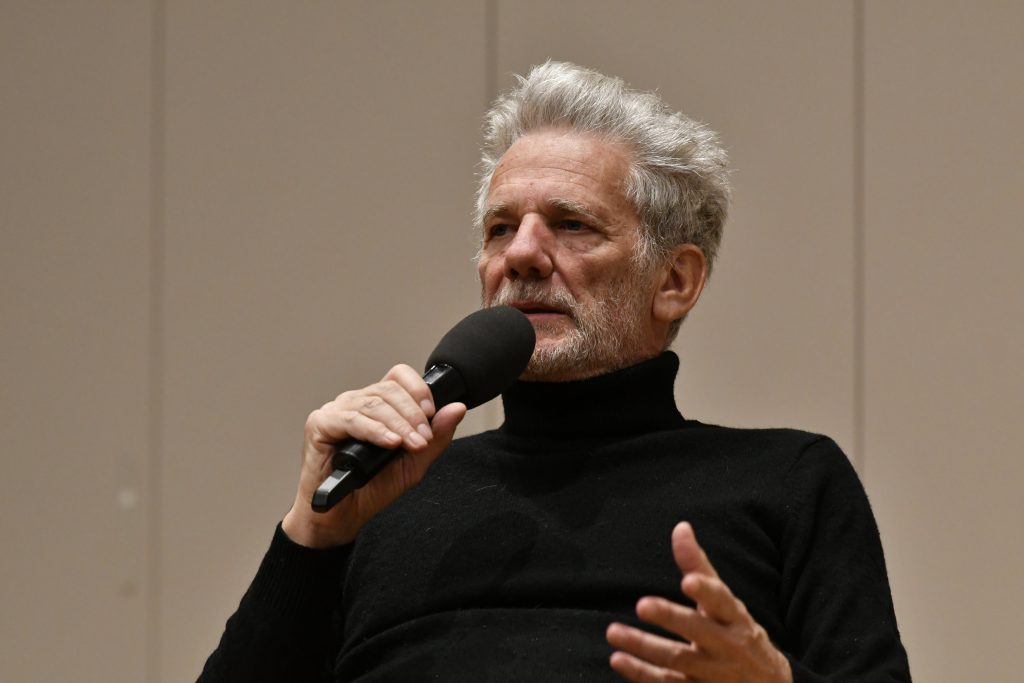
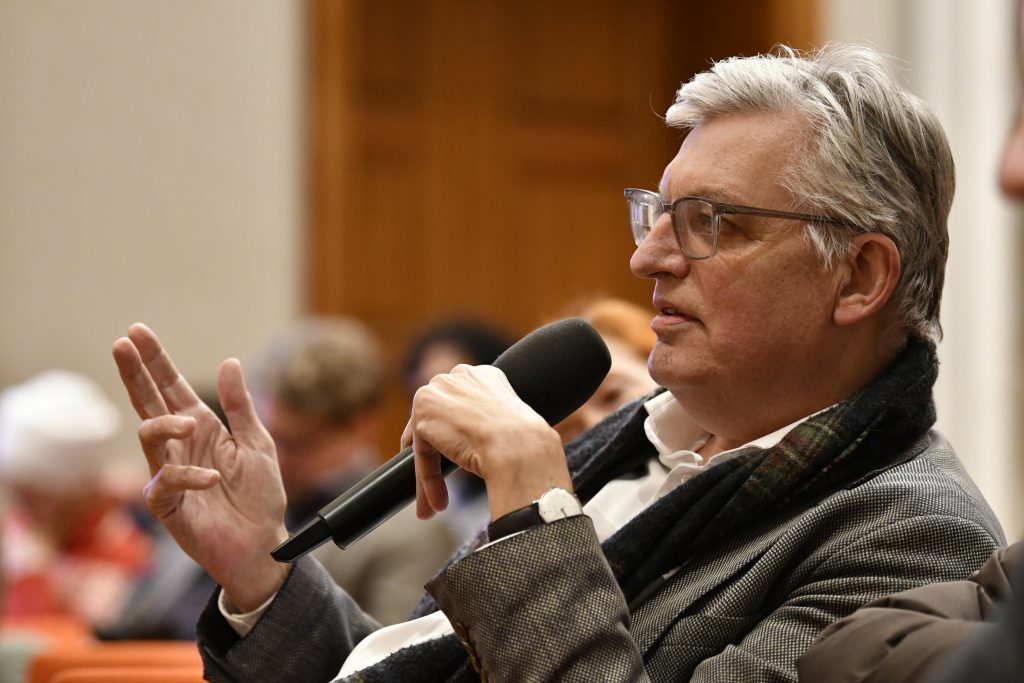
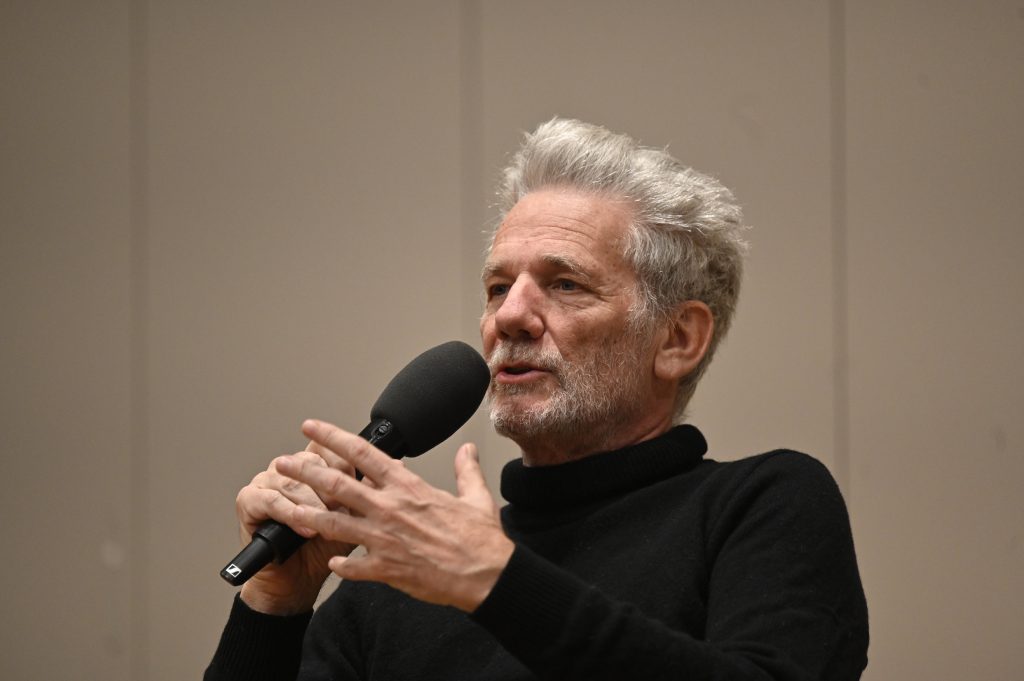
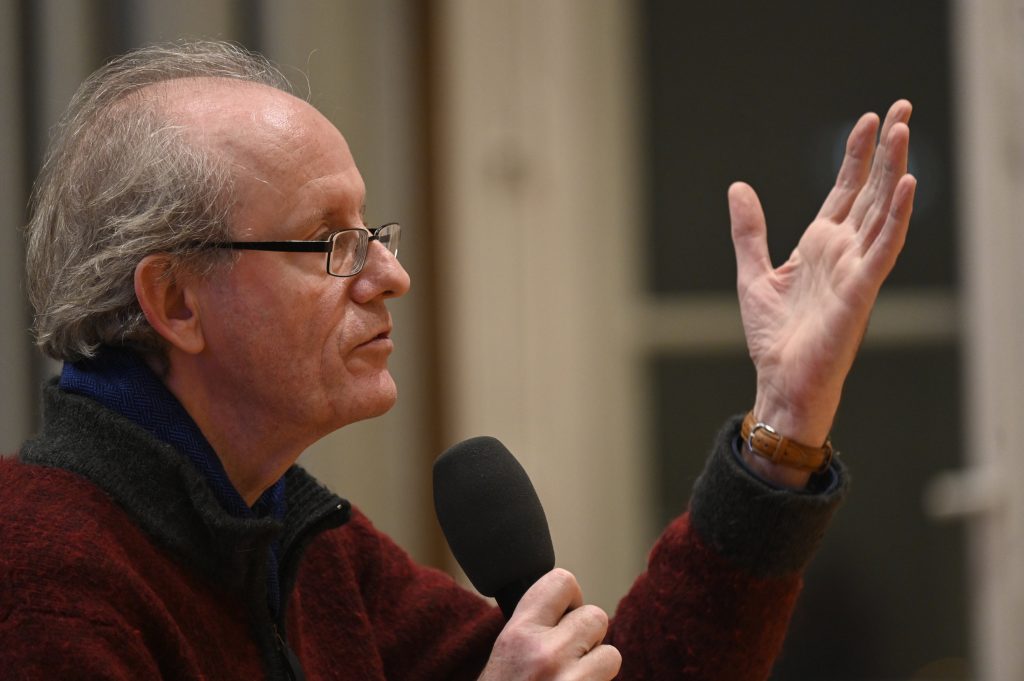
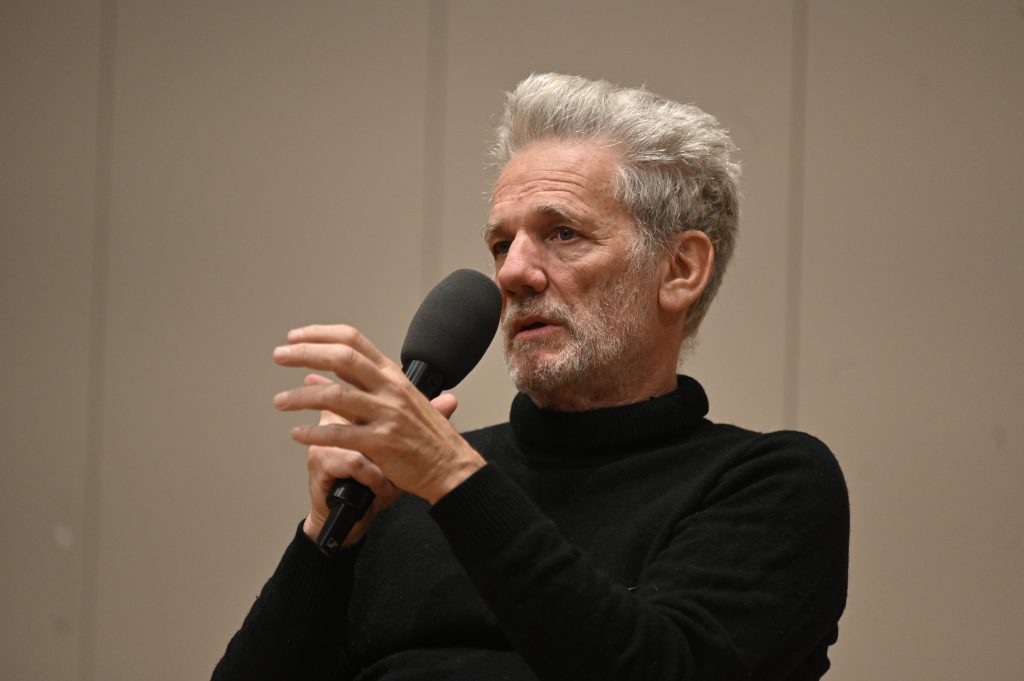
Photo Credit: Niels Leiser for the Mosse Lectures
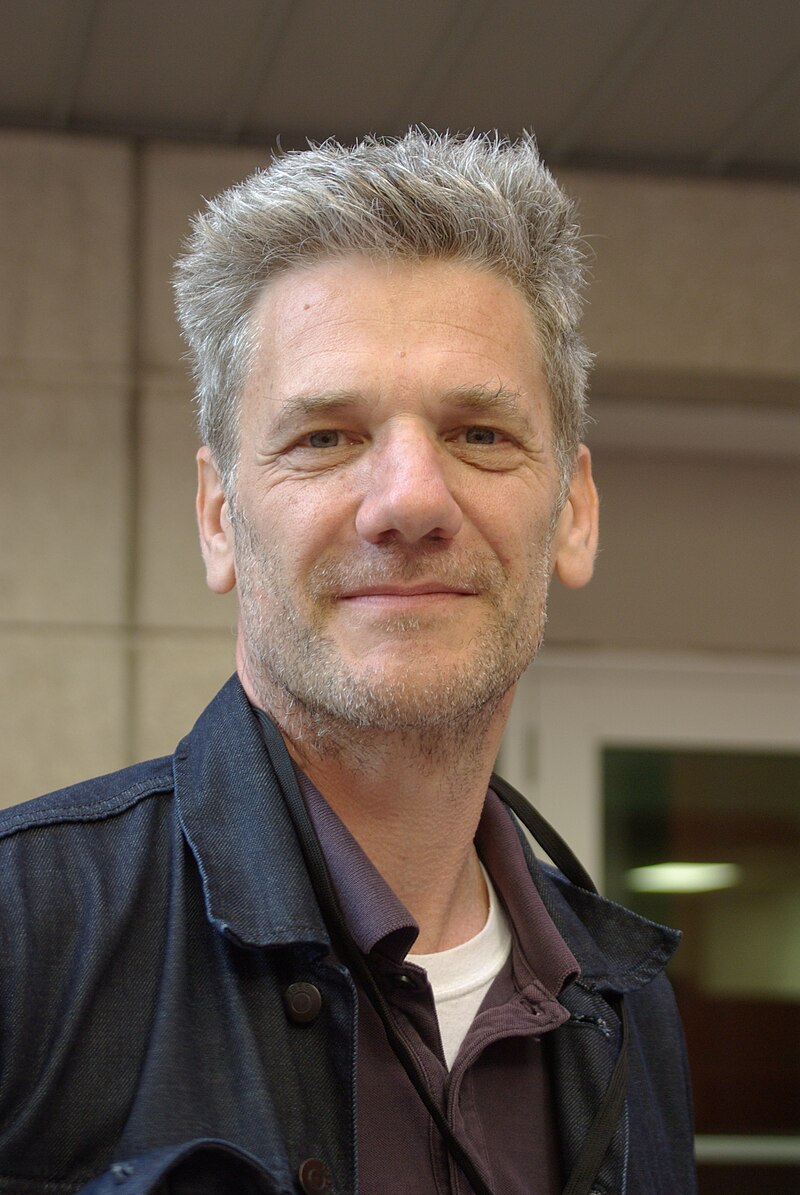
Alan Pauls: Novelist, screenwriter, essayist, and critic; Pauls studied literature at the Universidad de Buenos Aires and later worked there as a professor of literary theory. He was also a visiting professor at Princeton University and taught creative writing at the Universidad de Tres de Febrero [Buenos Aires] and New York University. He is the founder of the magazine Lecturas críticas and worked as an editor for the daily newspaper Página/12. His novel »El pasado« [2003; English: »The Past«, 2009] won the Spanish Herralde Literary Prize and was made into a film by Héctor Babenco. With »Historia del llanto« [2007; A History of Crying, not translated], »Historia del pelo« [2010; A History of Hair, not translated] and »Historia del dinero« [2013; »A History of Money«, 2015] between 2007 and 2013, he created a trilogy about the 1970s in Argentina and the history of the Argentine dictatorship. Pauls has been living and working in Berlin since 2019.
Alan Pauls (German): Roman- & Drehbuchautor, Essayist und Kritiker; Pauls studierte Literaturwissenschaften an der Universidad de Buenos Aires, wo er später als Professor für Literaturtheorie tätig wurde. Darüber hinaus war er Gastprofessor an der Princeton University und unterrichtete Kreatives Schreiben an der Universidad de Tres de Febrero [Buenos Aires] und der New York University. Er ist Gründer der Zeitschrift Lecturas críticas und arbeitete als Redakteur für die Tageszeitung Página/12. Sein Roman »El pasado« [2003; dt. »Die Vergangenheit«, 2009] gewann den spanischen Literaturpreis Herralde und wurde von Héctor Babenco verfilmt. Mit »Historia del llanto« [2007; dt. »Geschichte der Tränen«, 2010], »Historia del pelo« [2010; dt. »Geschichte der Haare«, 2012] und »Historia del dinero« [2013; dt. »Geschichte des Geldes«, 2016] entstand zwischen 2007 und 2013 eine Trilogie über die 1970er Jahre in Argentinien und die Geschichte der argentinischen Diktatur. Pauls lebt und arbeitet seit 2019 in Berlin.
Professor of modern German literature at Humboldt University, Berlin, since 2009, Ulrike Vedder studies contemporary literature, gender studies, generations, and near-death experiences. Among other works, she is the author of Geschickte Liebe. Zur Mediengeschichte des Liebesdiskurses im Briefroman „Les Liaisons dangereuses“ und in der Gegenwartsliteratur (2002) and editor of Gender und Genre. Essayistik deutschsprachiger Autorinnen (2025). She also serves on the editorial board of Zeitschrift für Germanistik.
In The Media:
This lecture series was covered by Torsten Flüh on Night Out @ Berlin: “Das Homogenität-Versprechen des Staatsstreichs“
