Sponsored by: Global Mosse Lecture Series The Mosse Foundation BAMPFA UC Berkeley Department of German UC Berkeley Department of Slavic Languages & Literatures Symposium Media and Migration in a Digital Age
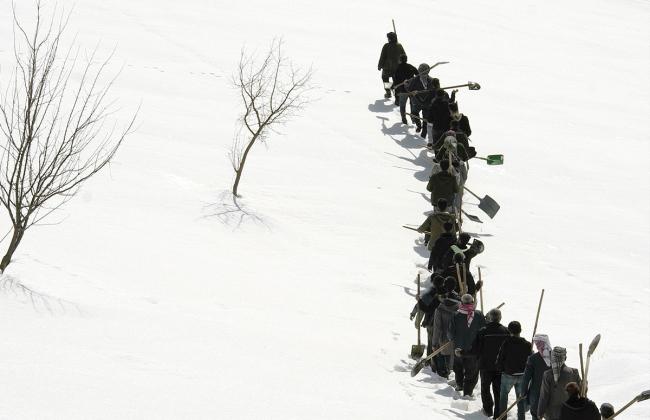
Aşit (Germany, Turkey 2022): For her film, presented as an installation at documenta fifteen, Pinar Öğrenci returns to her father’s hometown, Müküs, within the mountainous region in southern Van. On Turkey’s border with Iran, this former capital of the Urartian civilization, and the Armenian Vaspurakan dynasty, today has a dense urban population of mainly Kurdish-speaking communities. The town enjoyed a multilingual education and heritage in Armenian, Kurdish, Farsi, and Arabic until 1915. The Avalanche is inspired by Stefan Zweig’s final novella, The Royal Game (Schachnovelle, 1941)—a psychological thriller in which chess becomes a survival mechanism in the face of fascism.
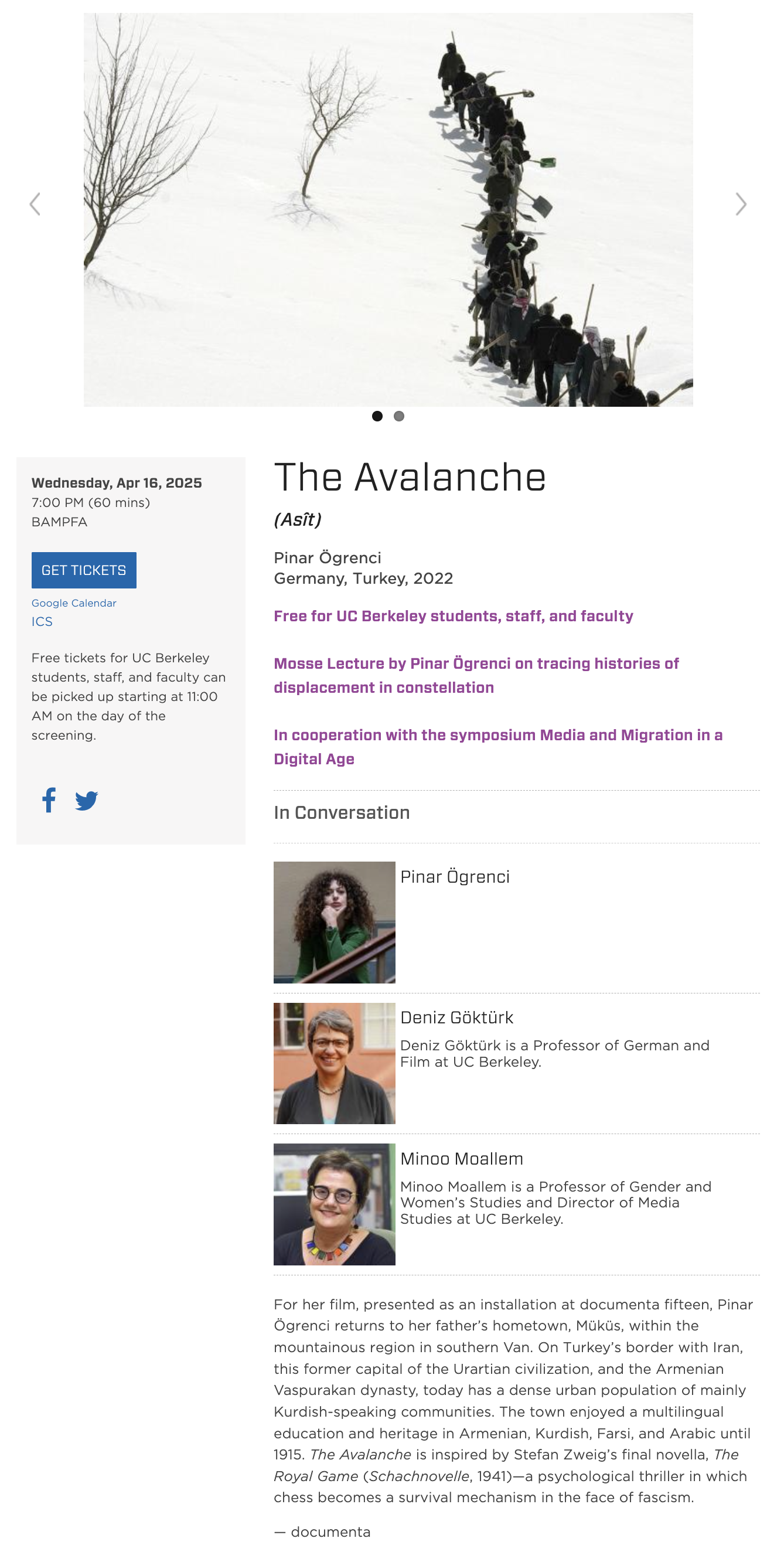
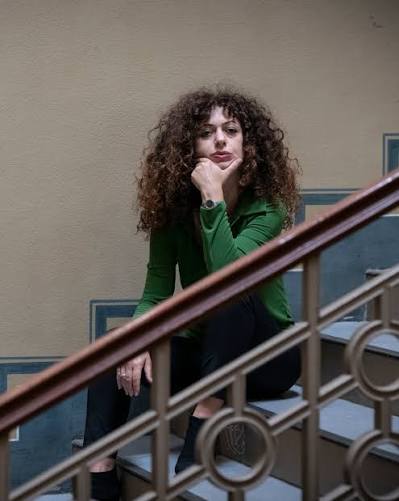
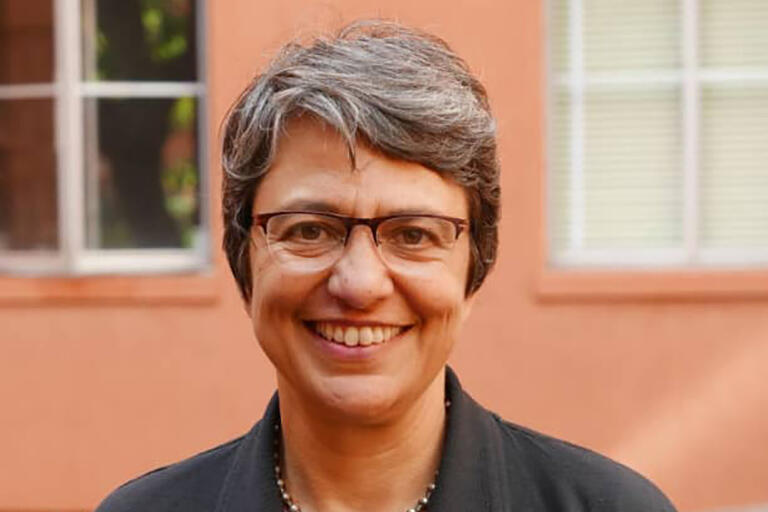
Artist and filmmaker Pınar Öğrenci (1973, Van, Turkey) lives in Berlin. Displacement, migration, survival, and resistance are cornerstones of Pınar Öğrenci’s films and installations. She has a background in architecture, which informs her poetic and experiential video-based work and installations that accumulate traces of ‘material culture’ related to forced displacement. Her works are decolonial and feminist readings from the intersections of social and political research, everyday practices, and human stories that follow agents of forced migration. Öğrenci engages with place, site and architecture as the materialisation of violence. Her practice serves as a response to a collective past often left in silence and urging her audience to imagine a future built on justice, equality, and collective healing. By delving into local archives, she initiates a process of collaborative memory, engaging communities in questioning what has been remembered, erased, or overlooked. Her works invites us to witness the rich, multifaceted layers of survival, resistance, resilience.Deniz Göktürk earned her PhD at Freie Universität Berlin, Germany, in 1995, with a dissertation on literary and cinematic imaginations of America in early twentieth-century German culture. She also worked as a certified translator of Turkish for law courts, hospitals, and publishers for several years. Her first full-time teaching appointment was at the University of Southampton, UK, in the School of Modern Languages and the Film Program from 1995 to 2001. She joined the Department of German at Berkeley in fall 2001. She has served as graduate adviser and department chair.
She has held awards and grants from the DAAD, the Economic and Social Sciences Research Council (ESRC) in the UK, the Institute for European Studies, the Institute for International Studies, the Townsend Center for the Humanities, the Center for Middle Eastern Studies, and Digital Humanities at Berkeley. She has been an invited fellow at the Institute for Advanced Study Konstanz and the Center for Cinepoetics at the Freie Universität Berlin.
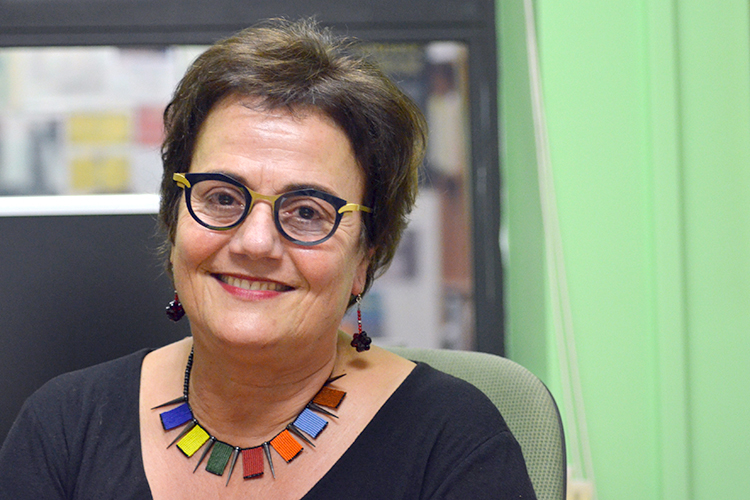
On campus, she holds affiliations with the Department of Film and Media, the Berkeley Center for New Media, Digital Humanities, the Center for Middle Eastern Studies, the Center for Race and Gender, the Department of Gender and Women’s Studies, and the Program in Critical Theory. She has participated in cross-campus collaborations on “Cultural Forms in Transit” and a strategic working group on “Circulation.” She is co-founder and concept coordinator of TRANSIT, the electronic journal launched by the Berkeley German Department in September 2005, and coordinator of the Multicultural Germany Project.Minoo Moallem is a Gender & Women’s Studies professor at the University of California Berkeley. She was the director of the Media Studies Program from 2017 to 2023 and the department chair from 2010 to 2012. Before moving to Berkeley, she was the Women’s Studies department chair at SF State from 2001-2006. She is the author of Persian Carpets: The Nation as a Transnational Commodity(link is external) (Routledge, 2018). Between Warrior Brother and Veiled Sister: Islamic Fundamentalism and the Cultural Politics of Patriarchy in Iran(link is external), (the University of California Press, 2005), and the co-editor (with Caren Kaplan and Norma Alarcon) of Between Woman and Nation: Nationalisms, Transnational Feminisms, and The State(link is external), (Duke University Press, 1999). She is the guest editor of a special issue of Comparative Studies South Asia, Africa, and the Middle East on Iranian Immigrants, Exiles, and Refugees. Professor Moallem has also ventured into digital media. Her digital project, “Nation-on-the Move” (design by Eric Loyer), was published in Vectors—Journal of Culture and Technology in a Dynamic Vernacular(link is external). Her new co-edited book with Paola Bacchetta is Fatema Mernissi for Our Times(link is external), forthcoming from Syracuse University Press in March 2025.
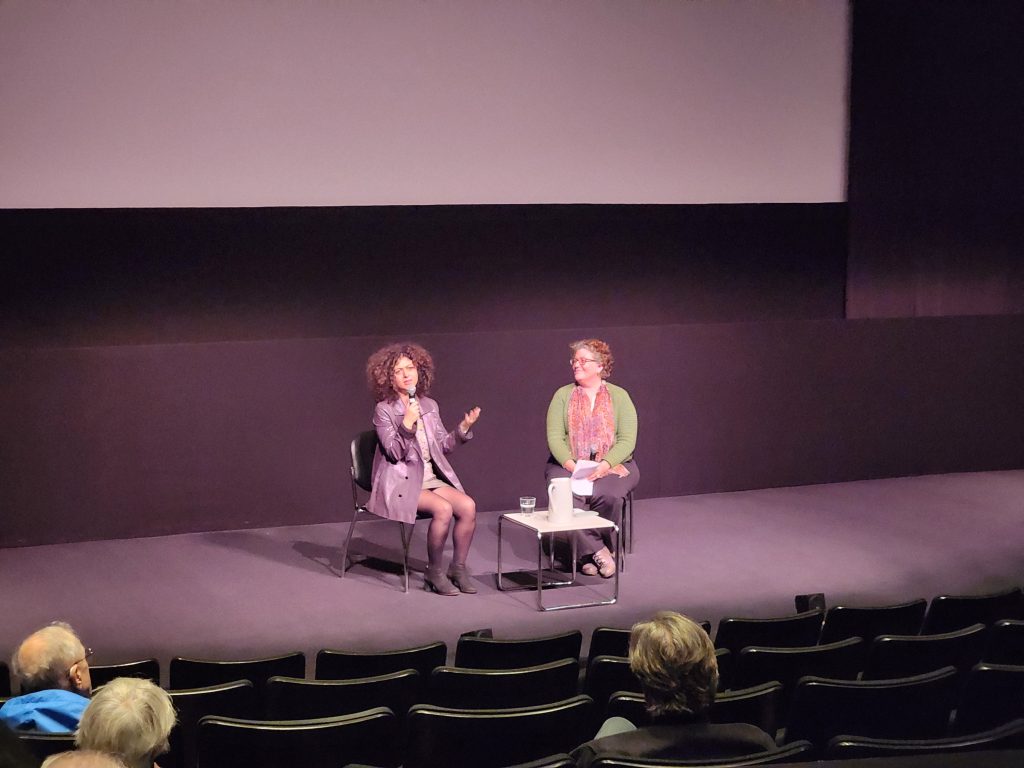
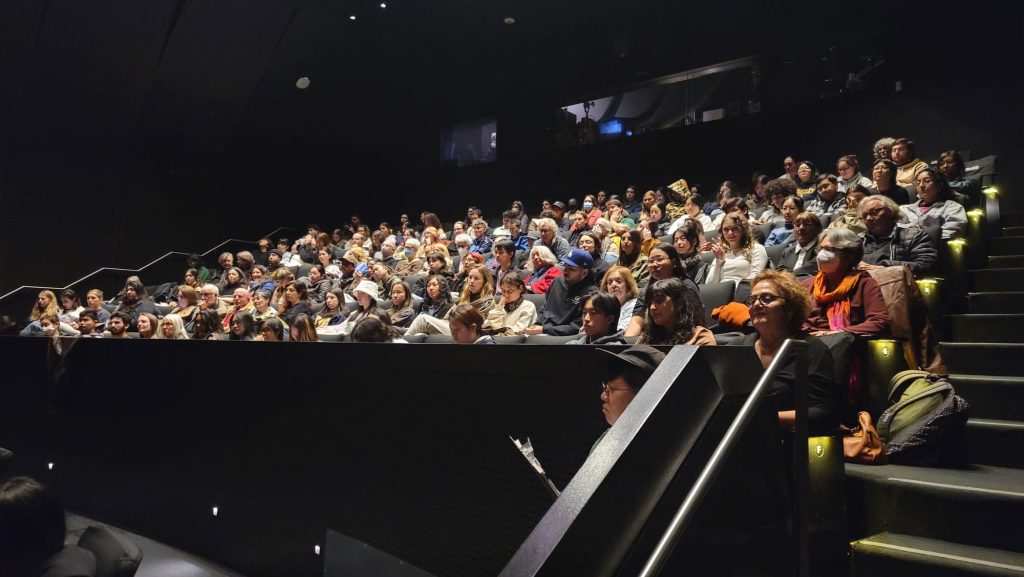
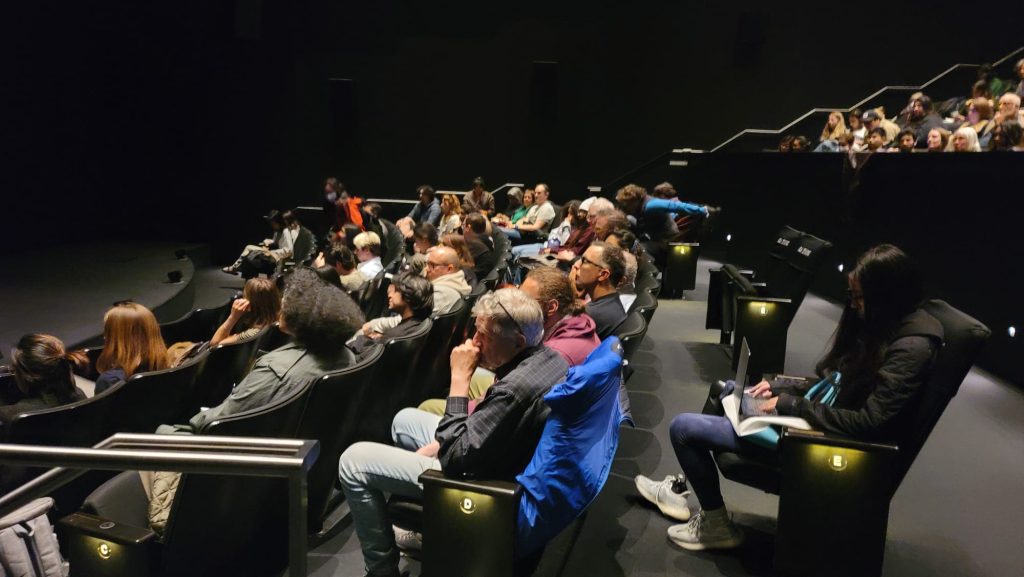
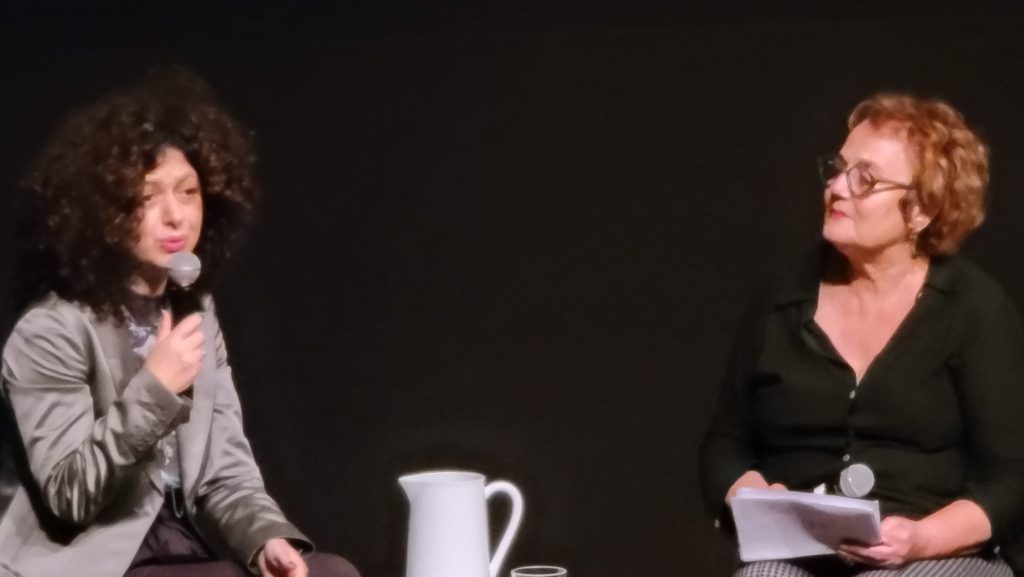
Pinar Öğrenci, AşîtPinar Öğrenci, AşîtPinar Öğrenci and Susan Oxtoby in conversationAudience at Pinar Öğrenci eventAudience at Pinar Öğrenci eventPinar Öğrenci and Minoo Moallem in conversation