
2016: Viktor Mayer-Schönberger, “Big Data. Wie wir in Zukunft leben werden.” /”Big Data: How We Will Live in the Future”
Viktor Mayer-Schönberger, “Big Data. Wie wir in Zukunft leben werden.” /”Big Data: How We Will Live in the Future”
Berlin Mosse Lecture
https://mosselectures.wisc.edu/berlin/
Thursday, 19 May 2016, 19:00 CET
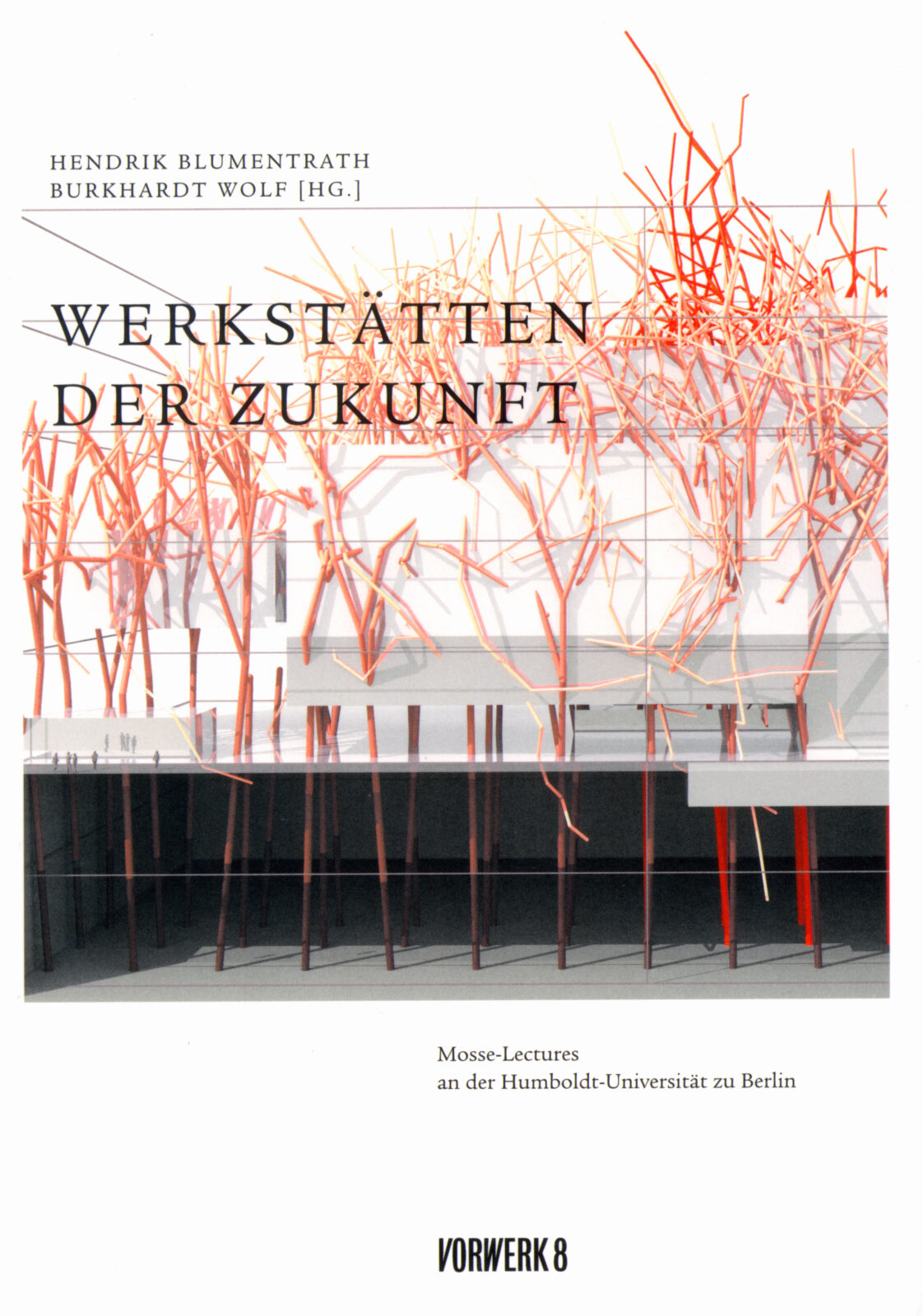
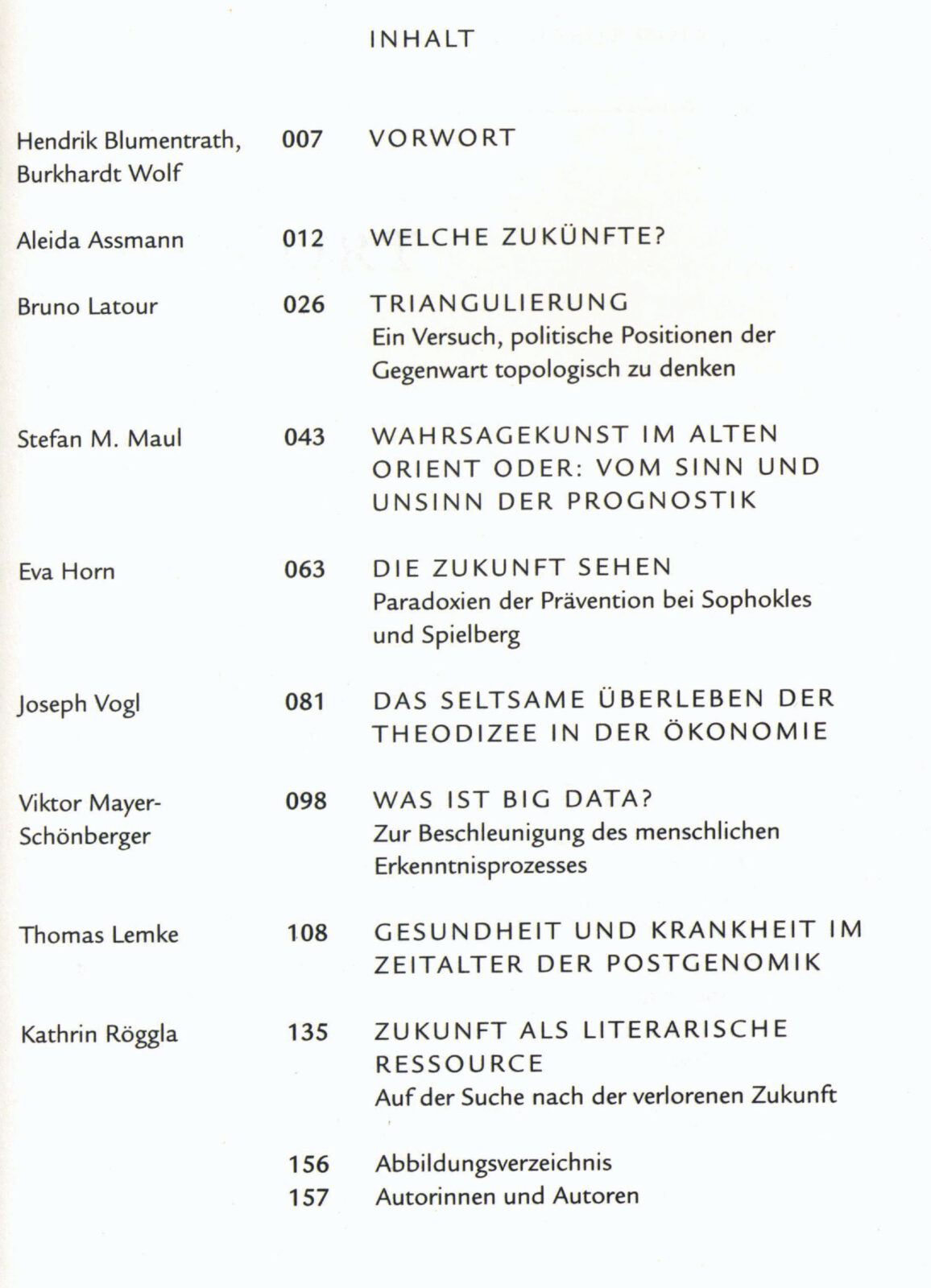
A version of this lecture was published in Hendrik Blumentrath, Burkhardt Wolf, ed. Werkstätten der Zukunft (Berlin: Vorwerk 8, 2018), 98-107. See table of contents below.
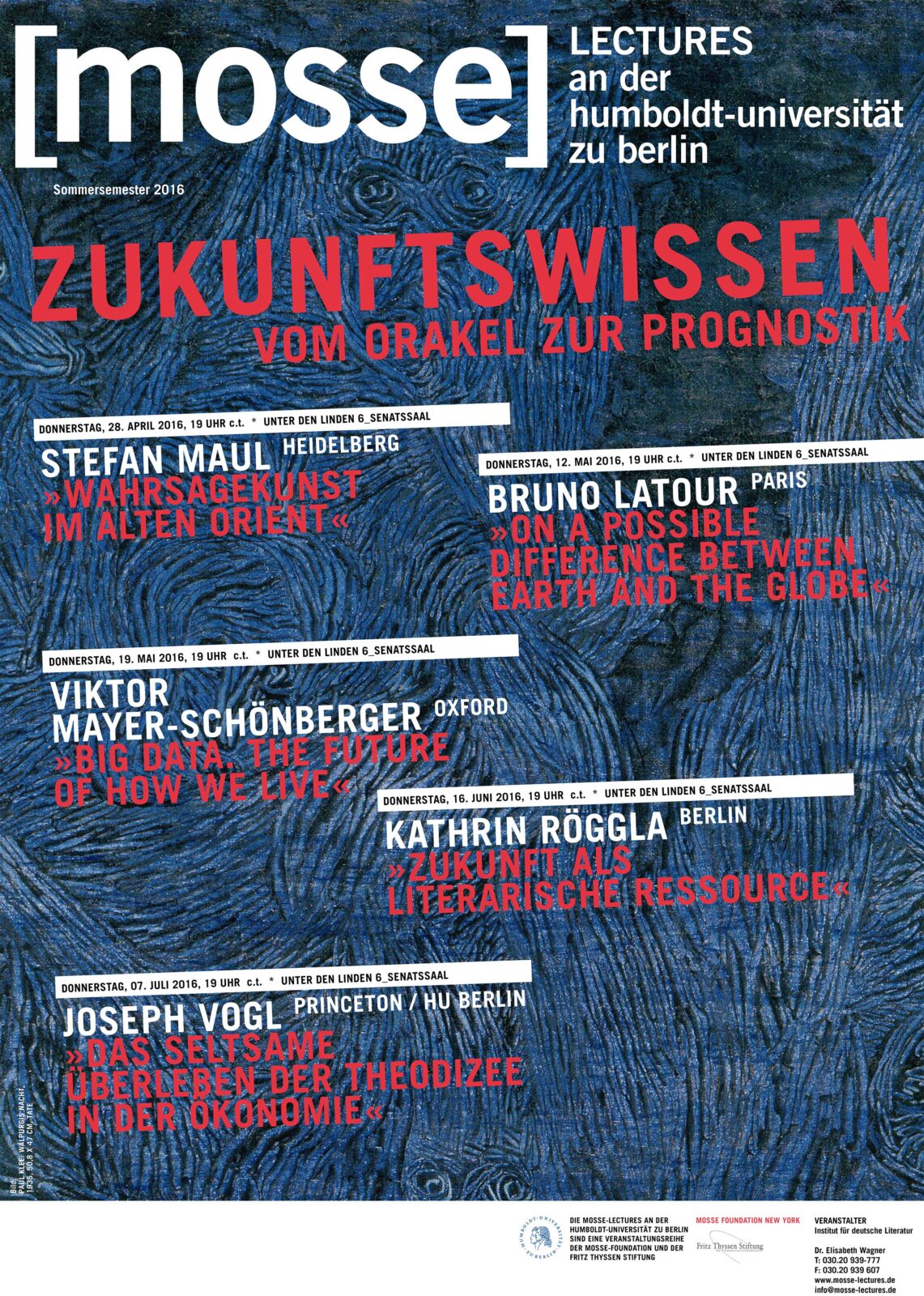
Senatssaal of Humboldt University
Unter den Linden 6
1. Stock
10117 Berlin
GERMANY
Sponsored by:
[mosse] LECTURES an der humboldt-universität zu berlin
The Mosse Foundation
Global Mosse Lecture Series
Fritz Thyssen Stiftung
Institut für deutsche Literatur
Humboldt University
Moderator: Hendrik Blumentrath (Humboldt University)
Lecture Description: Viel wird in den Medien berichtet über Big Data und die unglaublichen Mengen an oft auch personenbezogenen Daten, die damit gesammelt und gespeichert werden. Mit Edward Snowdens Enthüllungen gewannen wir Einblick in eine Welt, in der die Vergangenheit nicht mehr vergessen wird. Aber eine weitere Qualität von Big Data – die Vorhersage zukünftigen menschlichen Verhaltens – könnte zu einer noch größeren Herausforderung für unsere Gesellschaft werden und Grundfeste unseres Zusammenlebens, ja vielleicht sogar zentrale Bedingungen des Menschseins in Frage stellen. Warum das so ist, und was wir dagegen tun können – darum geht es in diesem mit vielen aktuellen und realen Beispielen versehenen Vortrag.
Lecture Series Description: When Future no longer indicates the final judgement of the world, or the lapse of time until its arrival, then our vision of the time to come has changed profoundly. Future then, as Reinhard Koselleck has pointed out, can only be projected as an “empty space of time”, and that means that a great number of institutions and practices make their appearance, promising to make safe with their scientific models the journey into the unknown, possible shifts and formations: demographic development, climate change, energy supply, technological and geopolitical impact assessments, prospects for the stock market. Prognostics if not prophecies of the Future are the result of the changing world of today, often experienced as insecure and menacing. We have to realize, that the Futures we have are nothing but social constructions, a texture of the presence. Even in antiquity the divinatory knowledge of the oracle was not meant to “really see” the future reality. Nonetheless mights and morals and their perspectives could well be named and judged from the currently visible, from recognition and plausibility. Future knowledge is orientation knowledge, relevant in any policy advising. In this program of the Mosse-Lectures the scientific and imaginary knowledge of the Future in different disciplines, in the arts and religions will be negotiated, also the unknowing we have to admit. From the art of fortune telling in the Ancient Orient up to the present time of Big Data’s future viability the genesis and legitimacy of prognostics will be discussed. What does the reference of the future tell about the self conception of society? What are the rhetorical, technical und media means and tools to shape and perform the knowledge of the future? Beyond the classical apocalypse, how can collective desires and anxieties coin our notion of an ultimate future?
Viktor Mayer-Schönberger: Rechtswissenschaftler und Professor für Internet Governance und Regulation an der University of Oxford, Forschungen und publizistische Tätigkeit zu Fragen des Rechts, der Verwaltung und der gesellschaftlichen Folgen der Digitalisierung; Tätigkeit in der Unternehmens- und Politikberatung; auf Deutsch ist zuletzt erschienen: »Delete. Die Tugend des Vergessens im digitalen Zeitalter« (2010), mit Kenneth Cukier: »Big Data. Die Revolution, die unser Leben verändern wird« (2013).
Hendrik Blumenrath is a co-organizer of the Mosse Lectures. His expertise encompasses the literary history of the 18th-21st centuries, as well as the relationship between literature, politics, and culture. He is the author of Friedlose Figuren. Zur Feindschaftsgeschichte des Terroristen (2014).
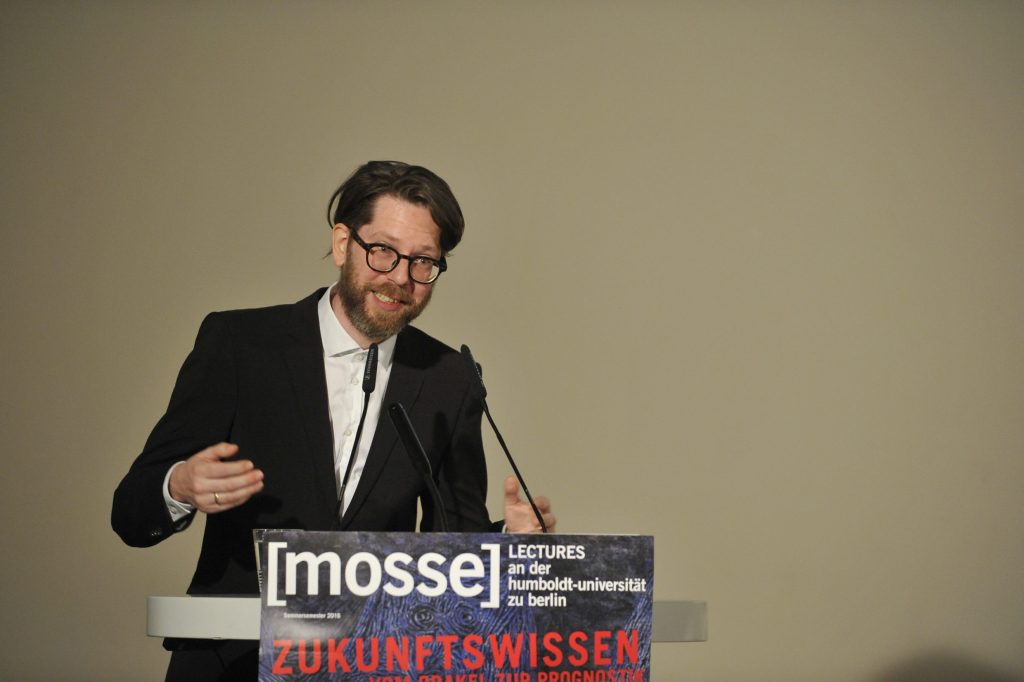
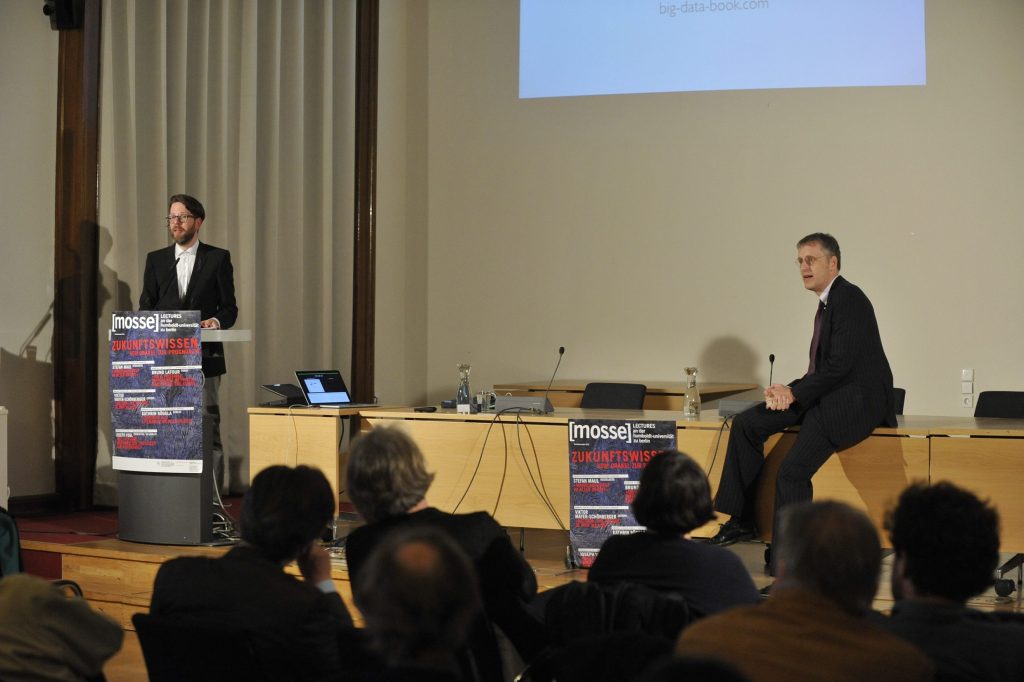
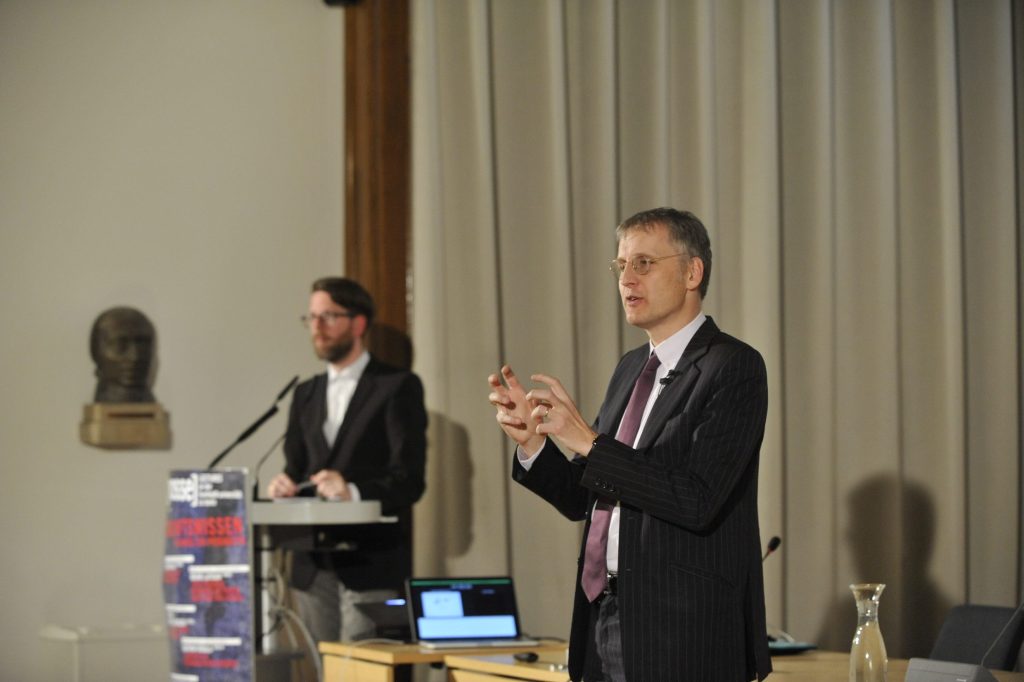
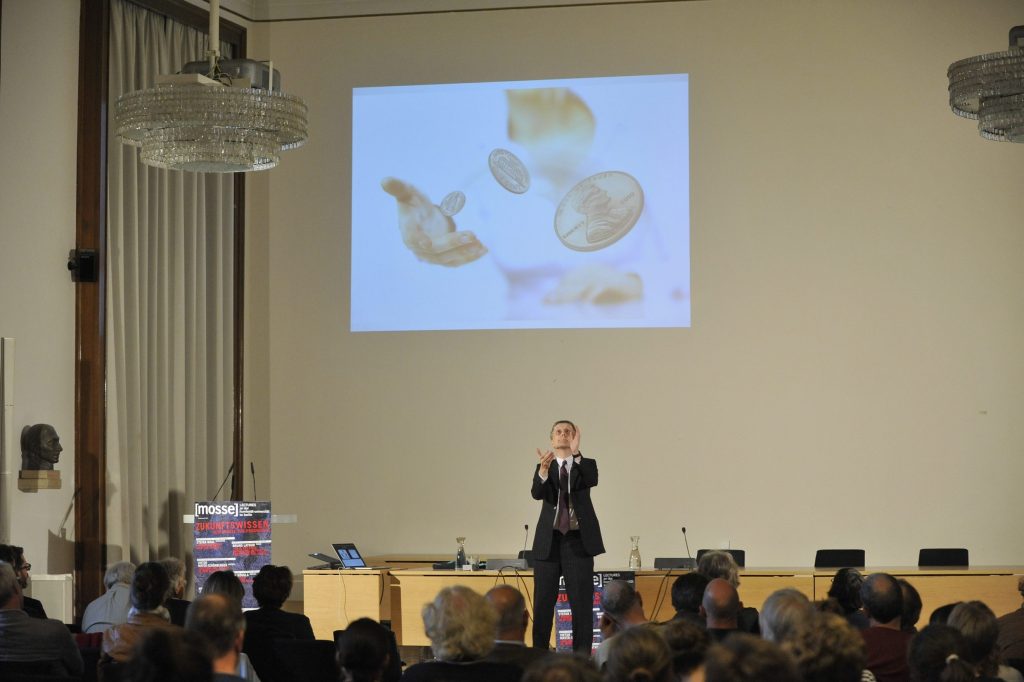
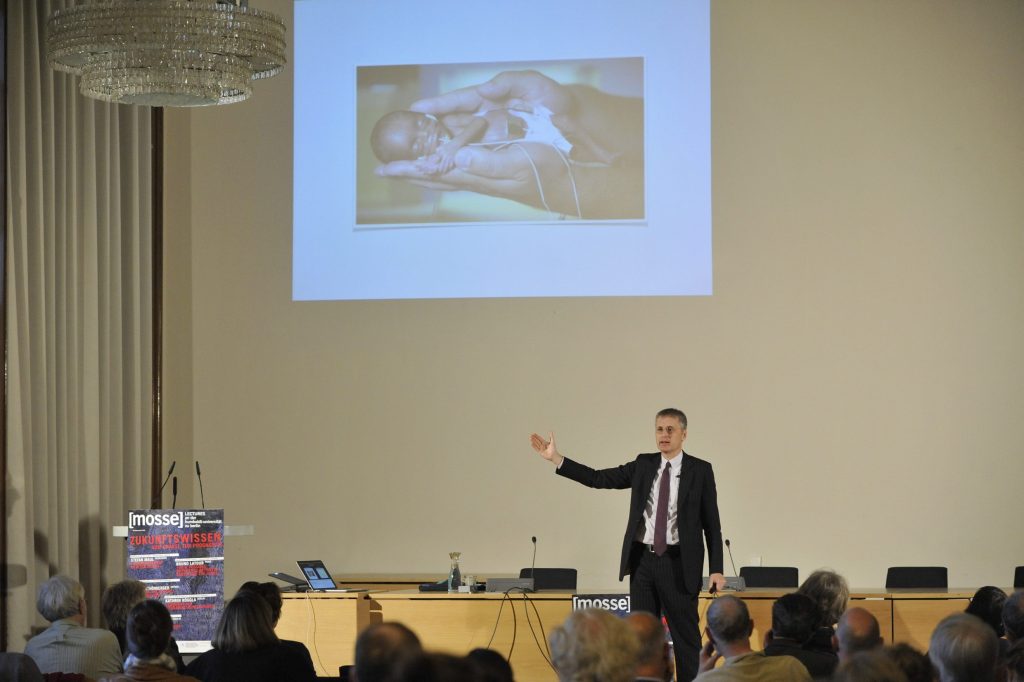
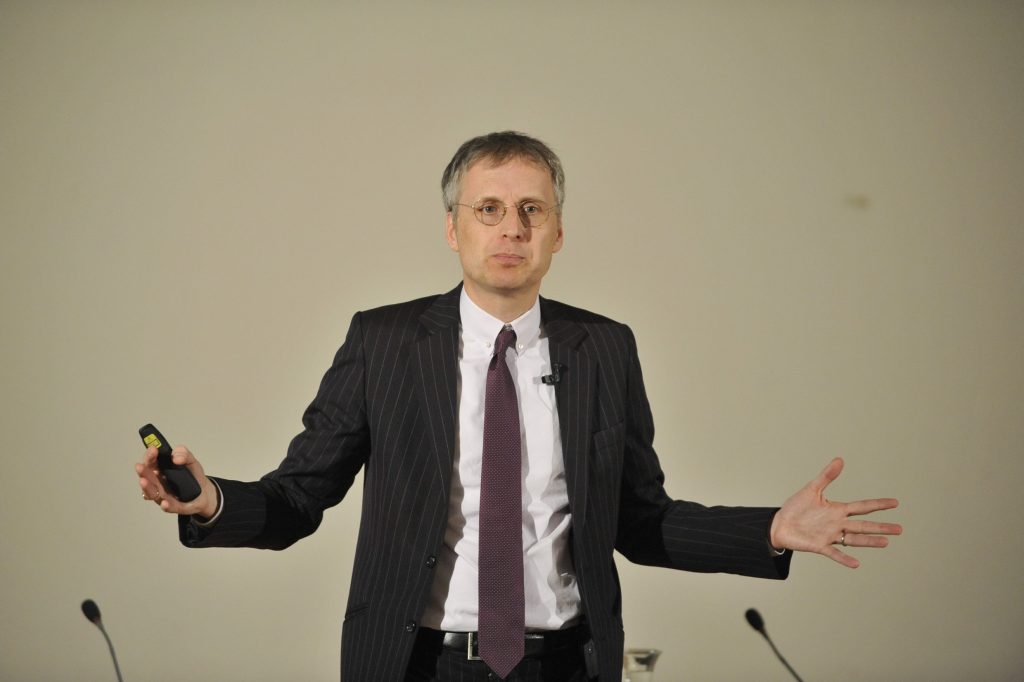
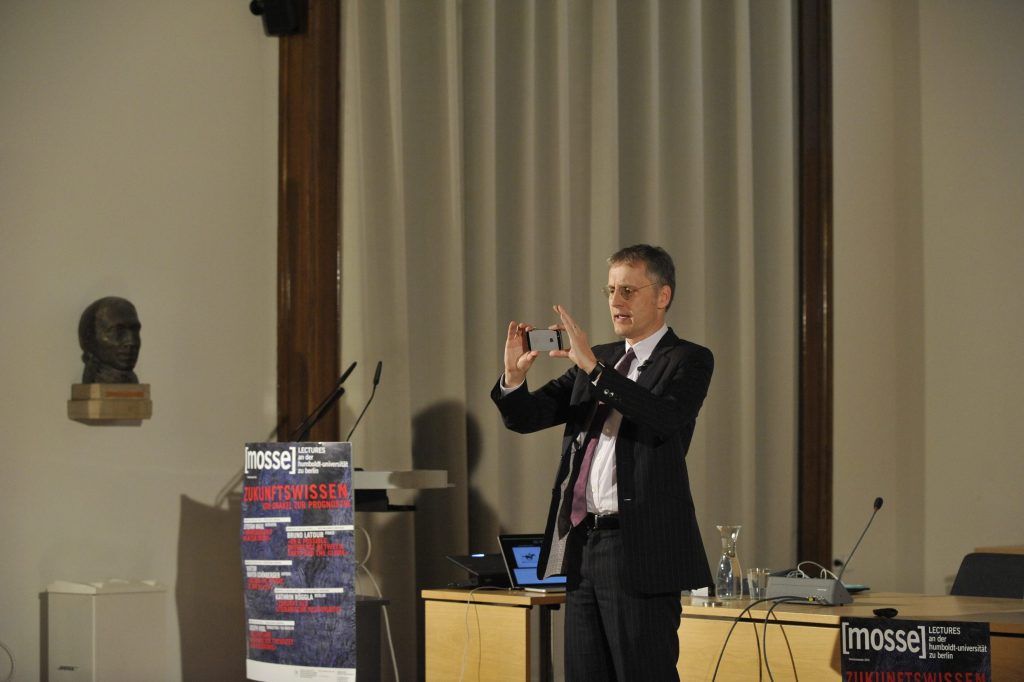
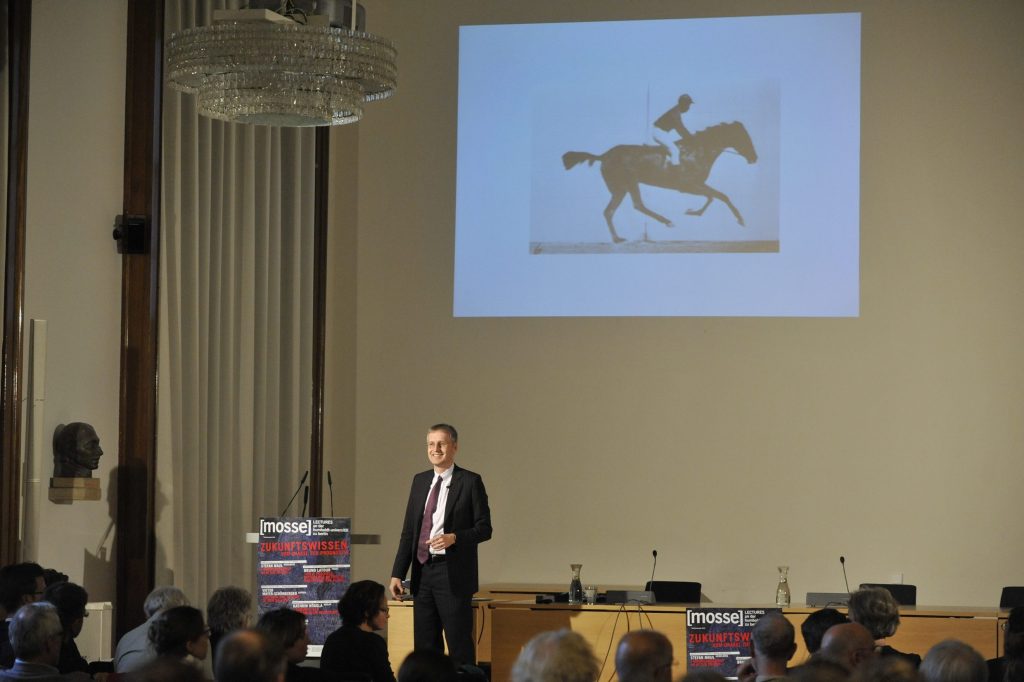
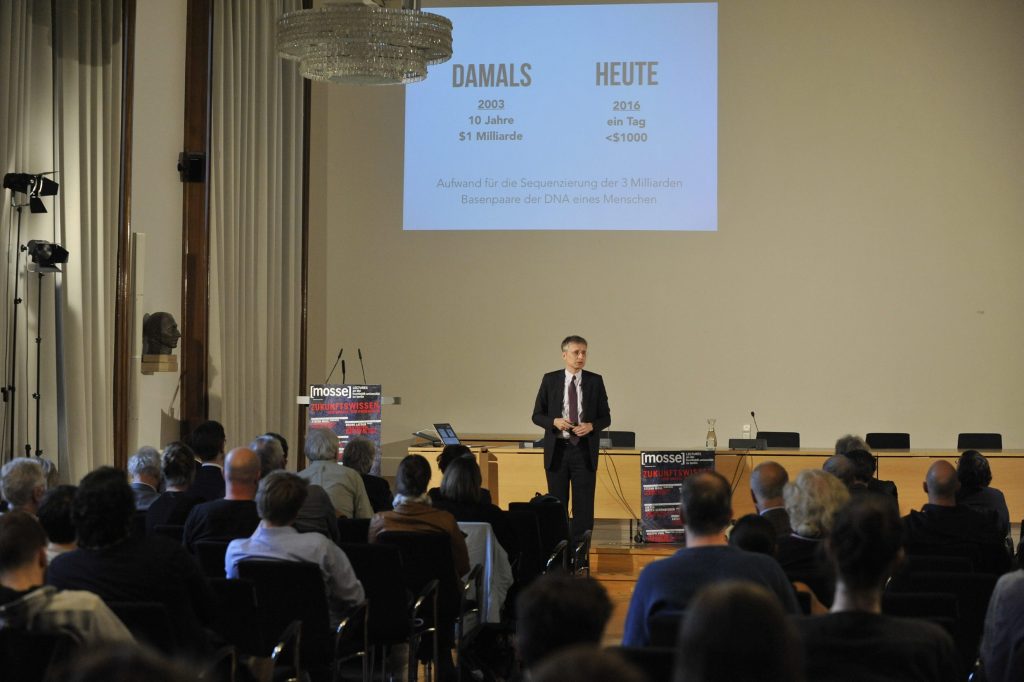
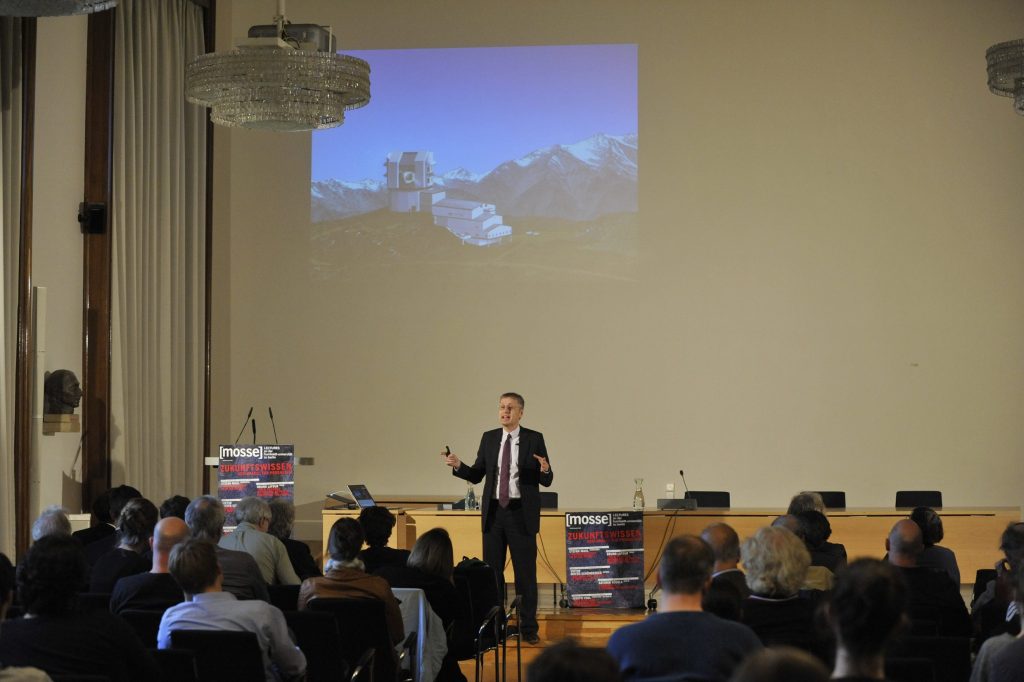
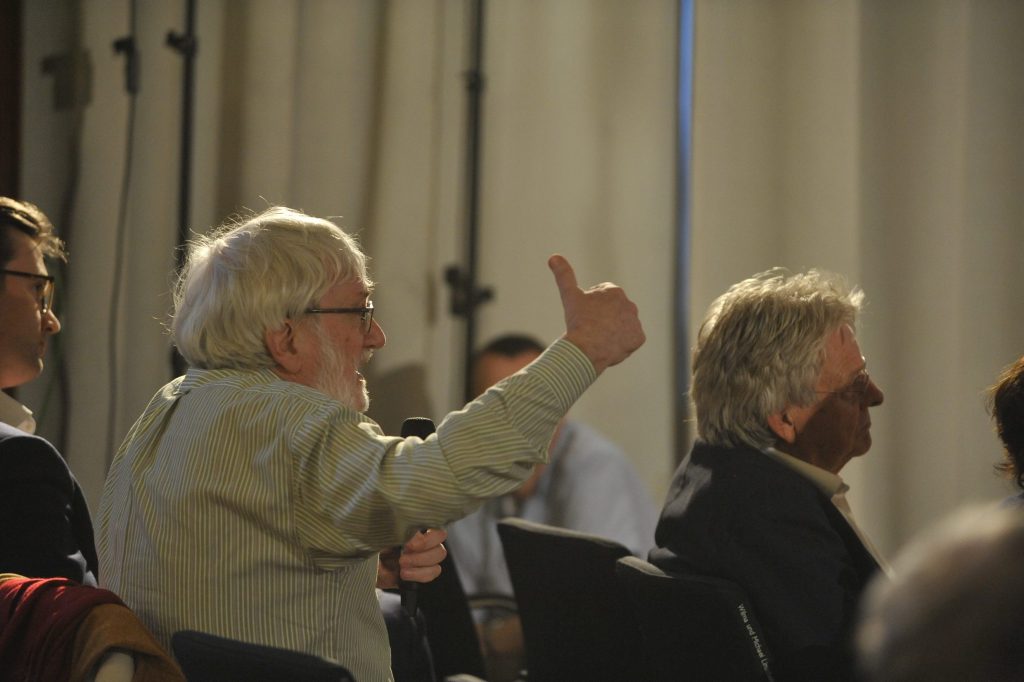
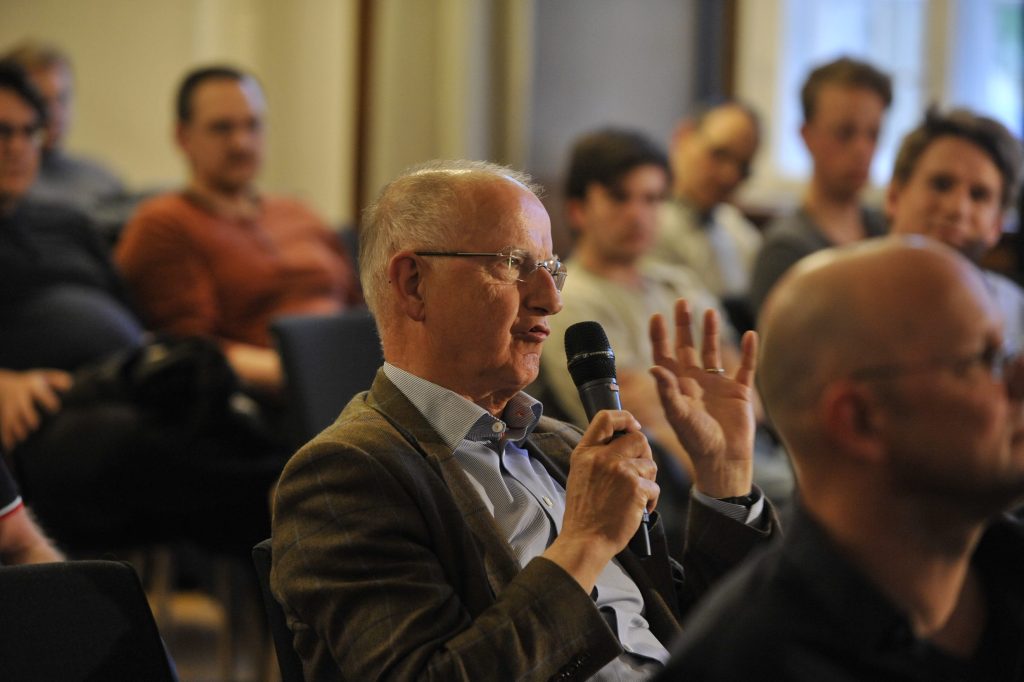
Photo credit: Niels Leiser for the Mosse Lectures
