
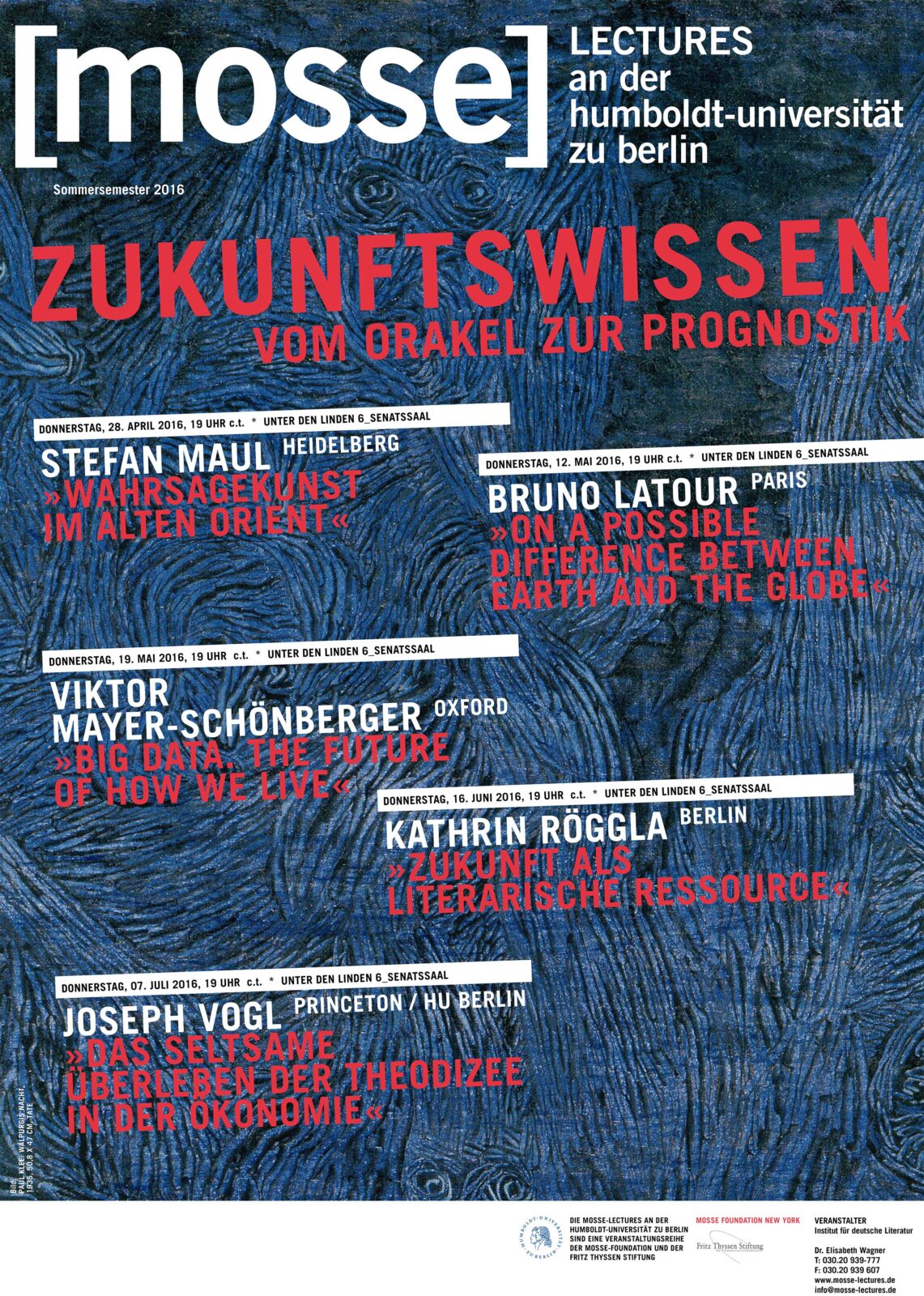
2016: Kathrin Röggla, “Zukunft als literarische Ressource” / “Future as a Literary Resource”
Kathrin Röggla, “Zukunft als literarische Ressource” / “Future as a Literary Resource”
Berlin Mosse Lecture
https://mosselectures.wisc.edu/berlin/
Thursday, 6 June 2016, 19:00 CET
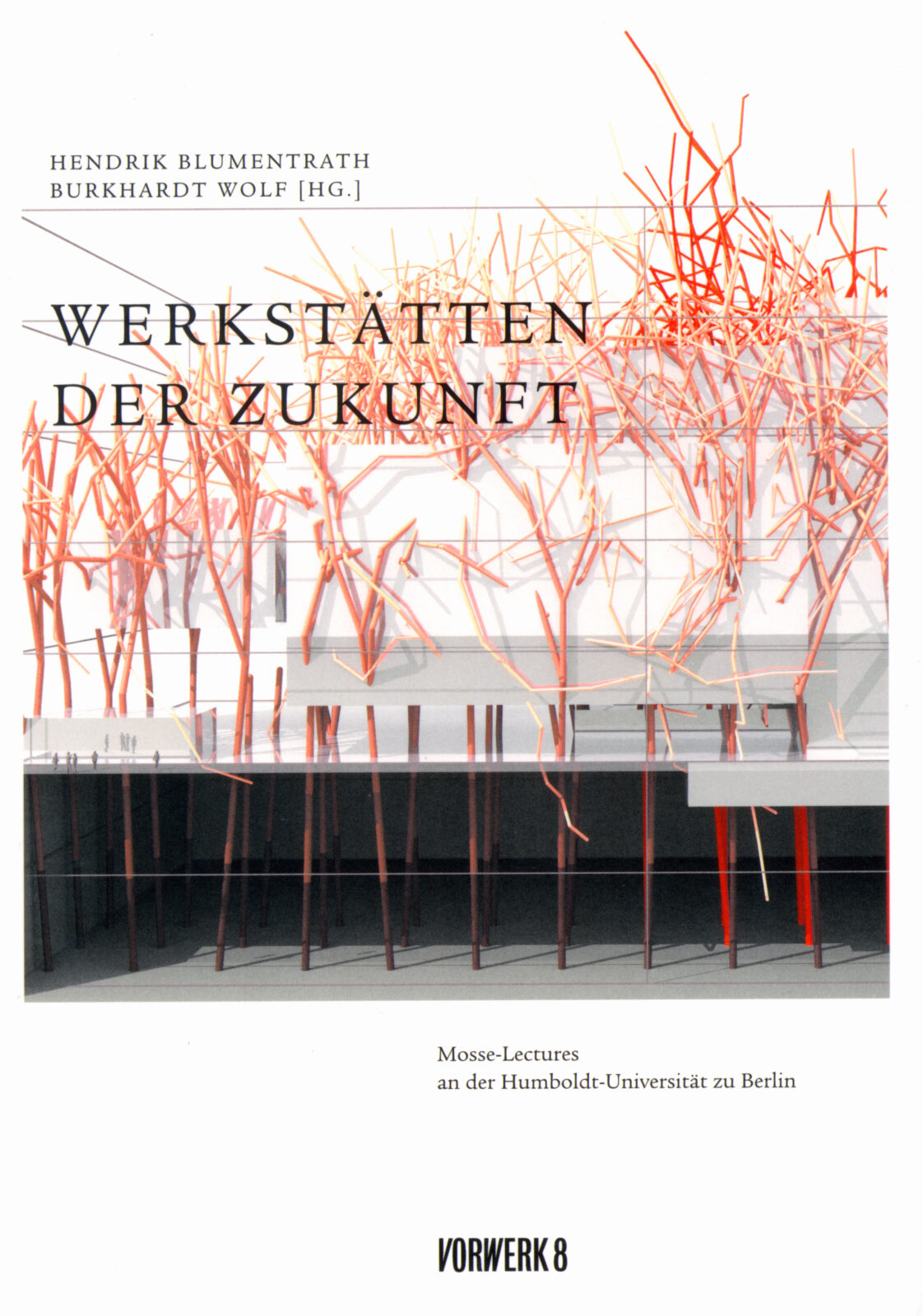
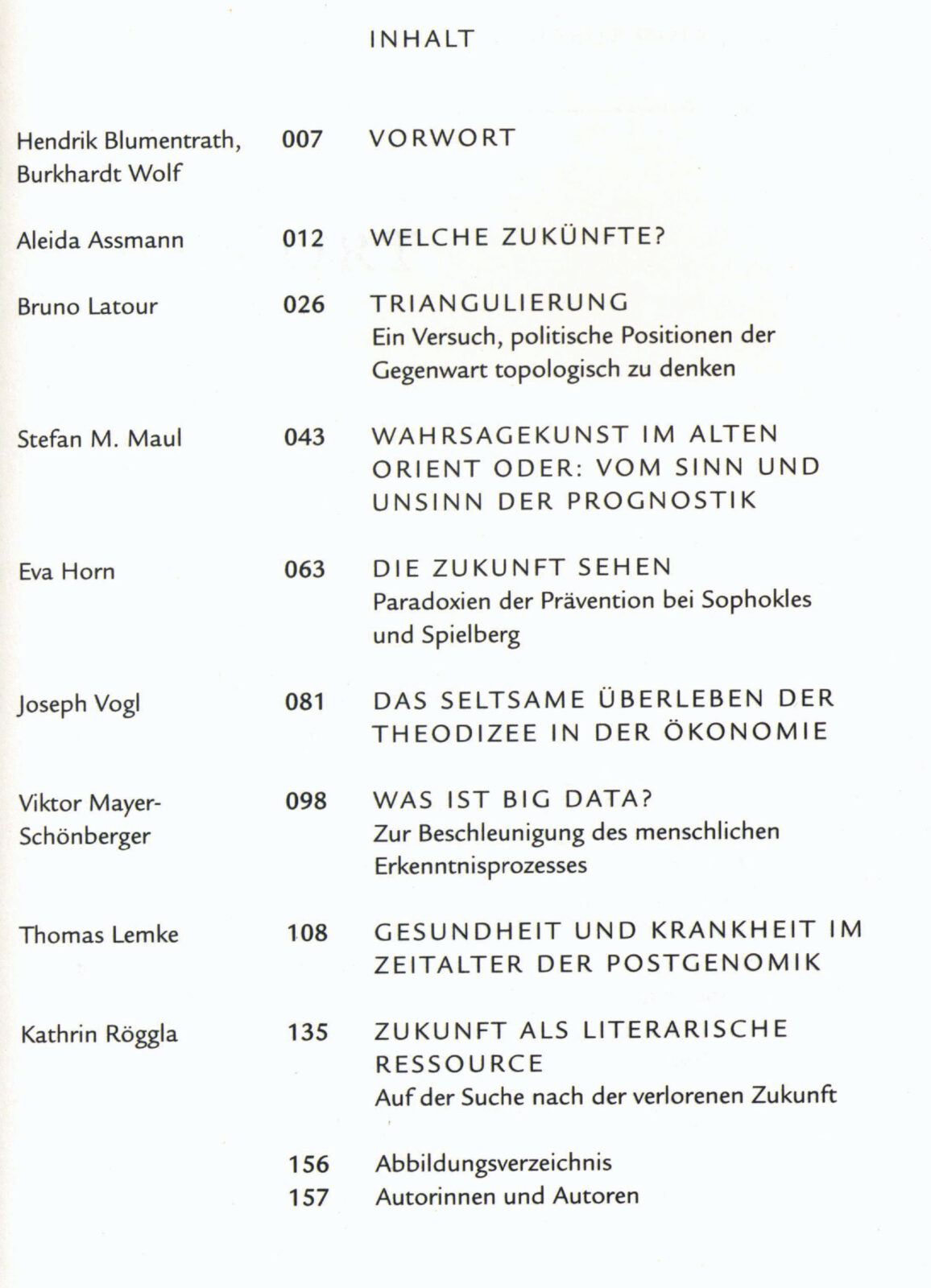
A version of this lecture was published in Hendrik Blumentrath, Burkhardt Wolf, ed. Werkstätten der Zukunft (Berlin: Vorwerk 8, 2018), 135-155. See table of contents below.
Senatssaal of Humboldt University
Unter den Linden 6
1. Stock
10117 Berlin
GERMANY
Sponsored by:
[mosse] LECTURES an der humboldt-universität zu berlin
The Mosse Foundation
Global Mosse Lecture Series
Fritz Thyssen Stiftung
Institut für deutsche Literatur
Humboldt University
Moderator: Ulrike Vedder (Humboldt University)
Lecture Description: Die Frage, wie Literatur mit dem grammatischen, sozial-imaginären und politischen Futur oder gar Futur II arbeitet, stellt sich zentral für ihre Ästhetik. Der Zusammenhang dieser unterschiedlichen Zukünfte konstruiert erst den literarischen Raum, genauso wie jeglicher Realismus sich an seinem Verhältnis zum Zukünftigen messen lassen kann. Gerade heute wird in zeitgenössischen Positionen allerdings immer wieder die Neuralgie des Zeitlichen spürbar. Sie wird nicht selten zum zentralen Thema oder Movens eines Textes. Quer durch unterschiedlichste Lektüren, von Paul Celan über Peter Weiss bis Peter Waterhouse, von Forced Entertainment und Tim Etchells bis zu Roland Barthes, von Dino Pešut bis David Foster Wallace oder Ágota Kristóf, in den unterschiedlichsten Ästhetiken zwischen Mündlichkeit und Schriftlichkeit, Performativen und Text-Architektonischen versuche ich dieses Terrain zu umreißen. In einer Zeit, in der sowohl die Zukunft in die Gegenwart stürzt als auch umgekehrt die Gegenwart jegliche Zukunft bereits konsumiert hat, und Handlungsoption und Möglichkeitsraum nicht leicht wiederzugewinnende Kategorien sind, kann gerade Literatur über ihre formalen Möglichkeiten und paradoxen Figuren Bewegung in das uns allumfassende Futur II bringen.
Lecture Series Description: When Future no longer indicates the final judgement of the world, or the lapse of time until its arrival, then our vision of the time to come has changed profoundly. Future then, as Reinhard Koselleck has pointed out, can only be projected as an “empty space of time”, and that means that a great number of institutions and practices make their appearance, promising to make safe with their scientific models the journey into the unknown, possible shifts and formations: demographic development, climate change, energy supply, technological and geopolitical impact assessments, prospects for the stock market. Prognostics if not prophecies of the Future are the result of the changing world of today, often experienced as insecure and menacing. We have to realize, that the Futures we have are nothing but social constructions, a texture of the presence. Even in antiquity the divinatory knowledge of the oracle was not meant to “really see” the future reality. Nonetheless mights and morals and their perspectives could well be named and judged from the currently visible, from recognition and plausibility. Future knowledge is orientation knowledge, relevant in any policy advising. In this program of the Mosse-Lectures the scientific and imaginary knowledge of the Future in different disciplines, in the arts and religions will be negotiated, also the unknowing we have to admit. From the art of fortune telling in the Ancient Orient up to the present time of Big Data’s future viability the genesis and legitimacy of prognostics will be discussed. What does the reference of the future tell about the self conception of society? What are the rhetorical, technical und media means and tools to shape and perform the knowledge of the future? Beyond the classical apocalypse, how can collective desires and anxieties coin our notion of an ultimate future?
Kathrin Röggla: österreichische Schriftstellerin in Berlin, Autorin von Theatertexten, Hörspielen, Essays und erzählender Prosa, Vizepräsidentin der Berliner Akademie der Künste, zahlreiche Auszeichnungen und Poetik-Dozenturen; Buchpublikationen u.a.: »really ground zero« (2001), »disaster awareness« (2006), »die alarmbereiten« (2010), »Besser wäre: keine« (2013), »Die falsche Frage. Theater, Politik und die Kunst, das Fürchten nicht zu verlernen« (2015).
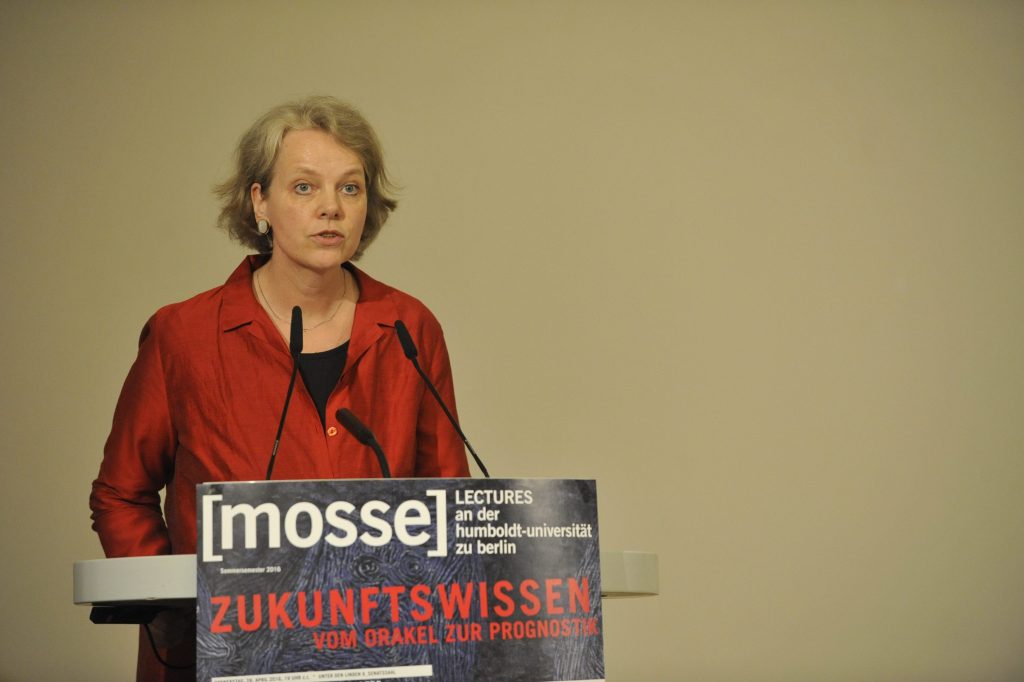
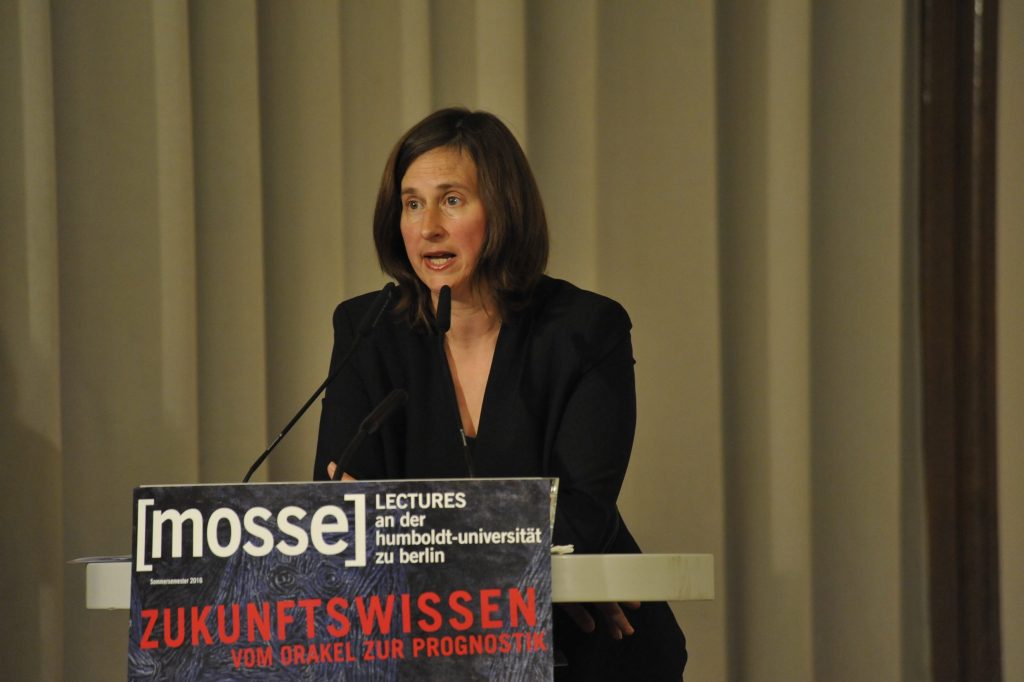
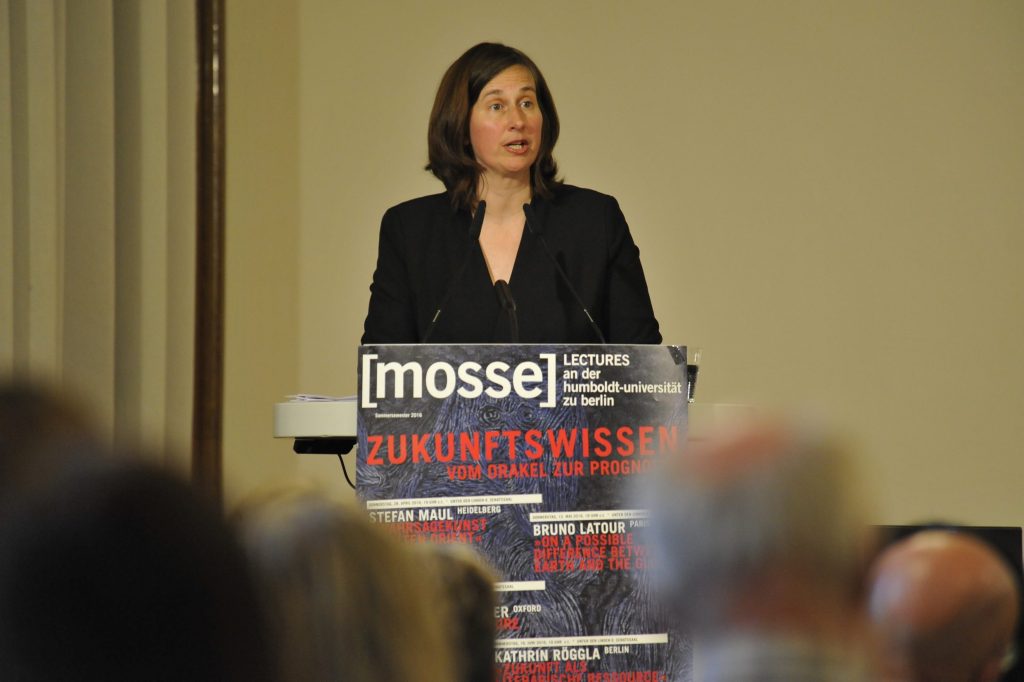
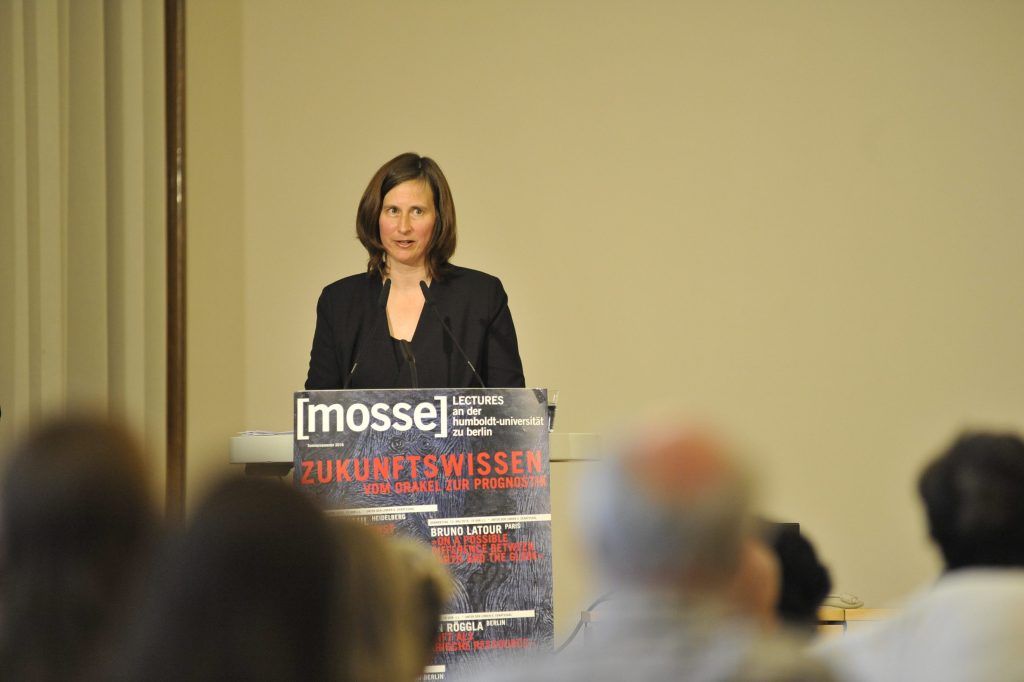
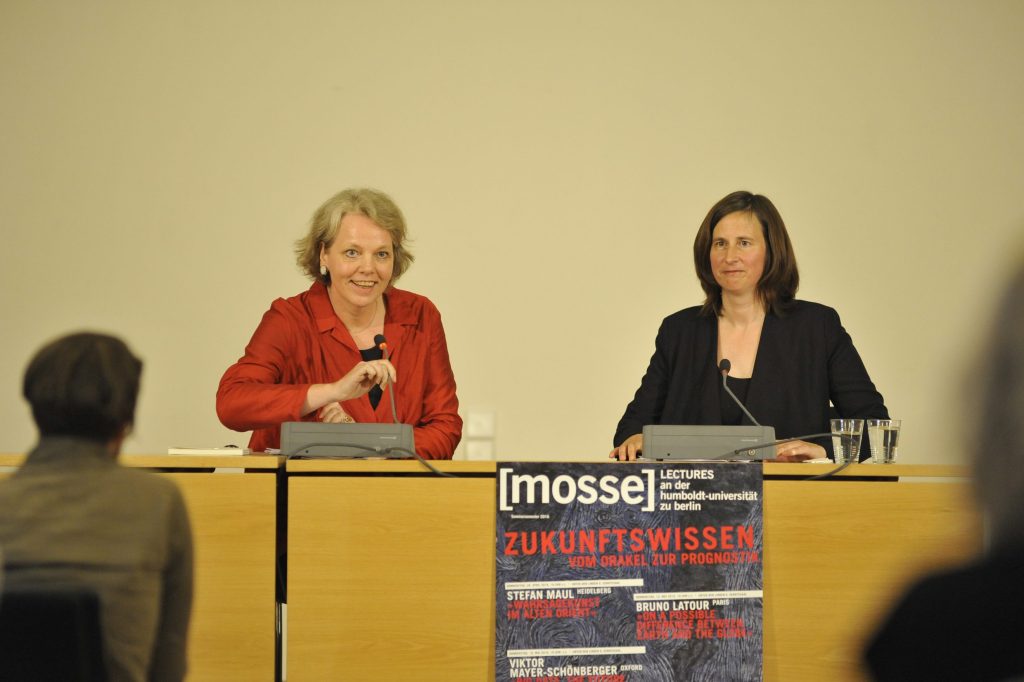
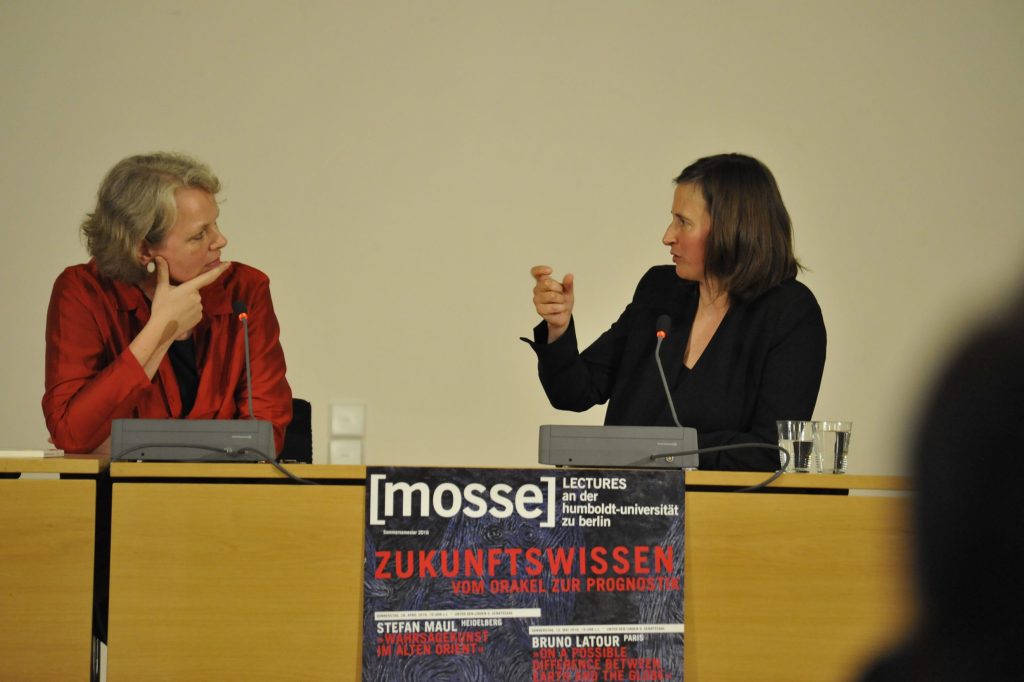
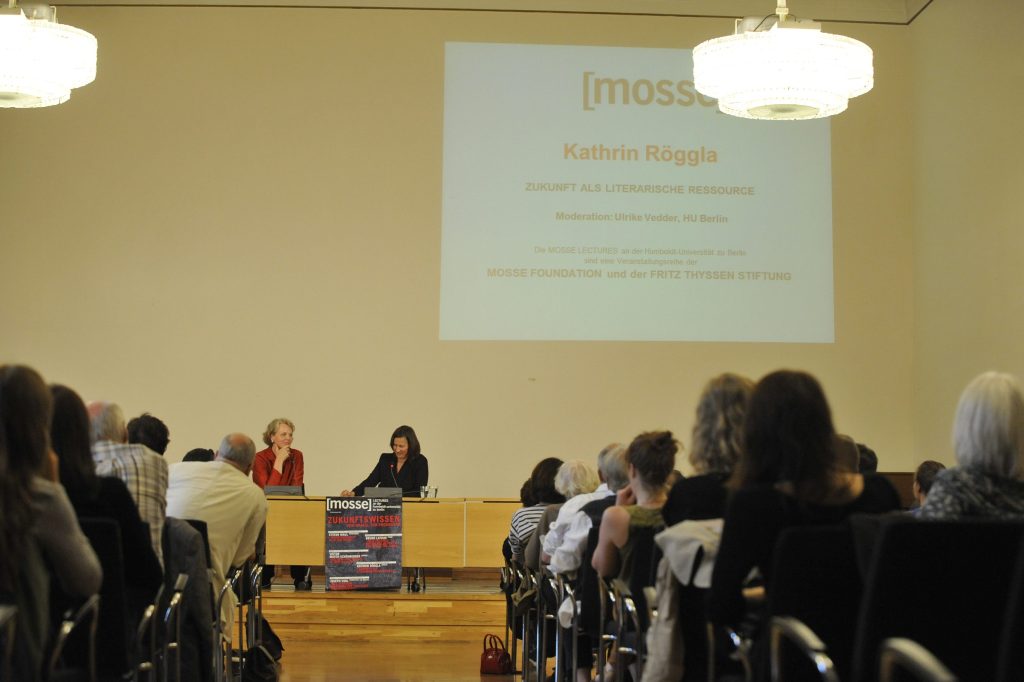
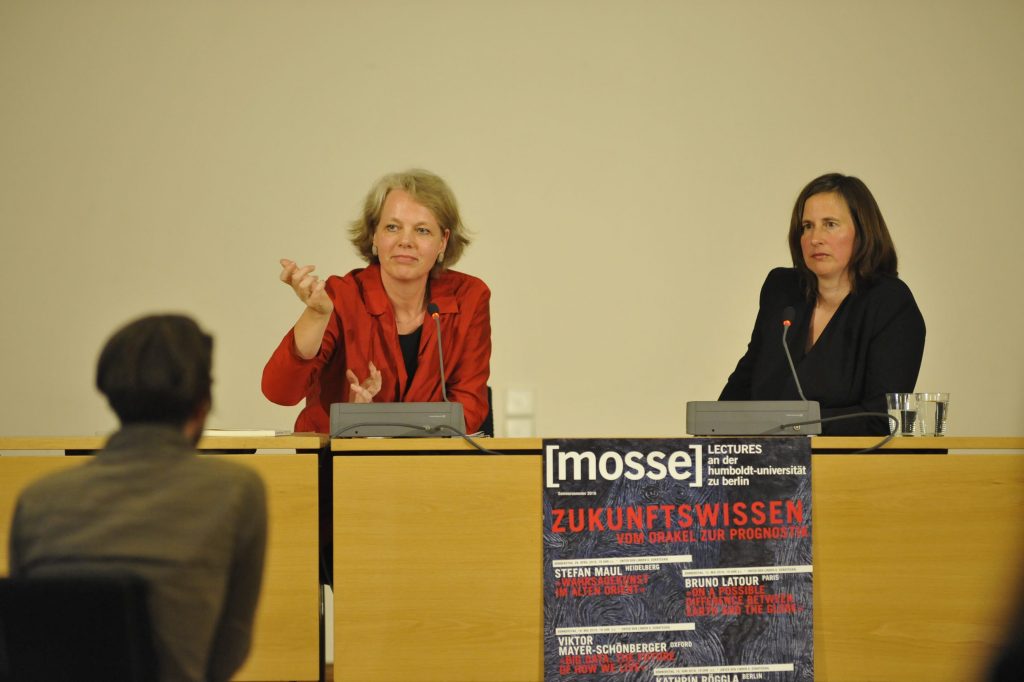
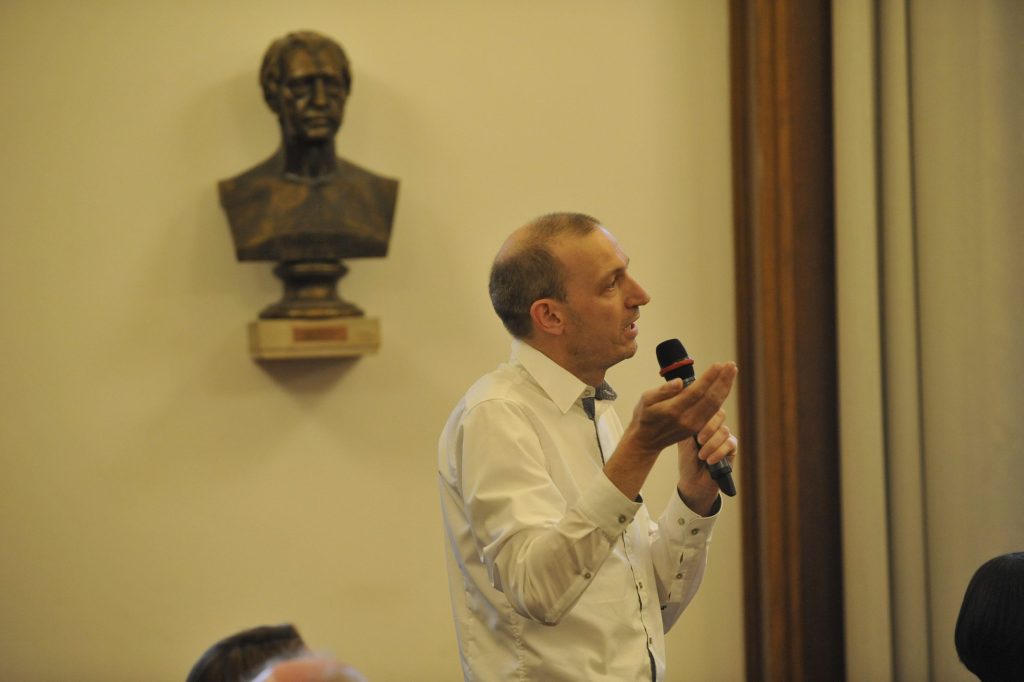
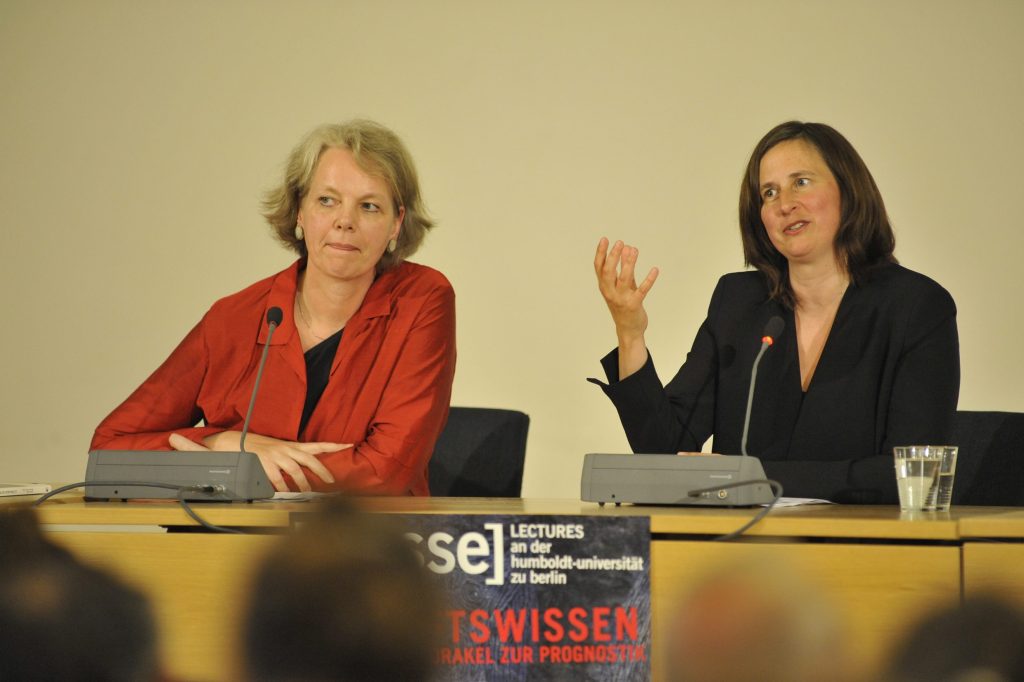
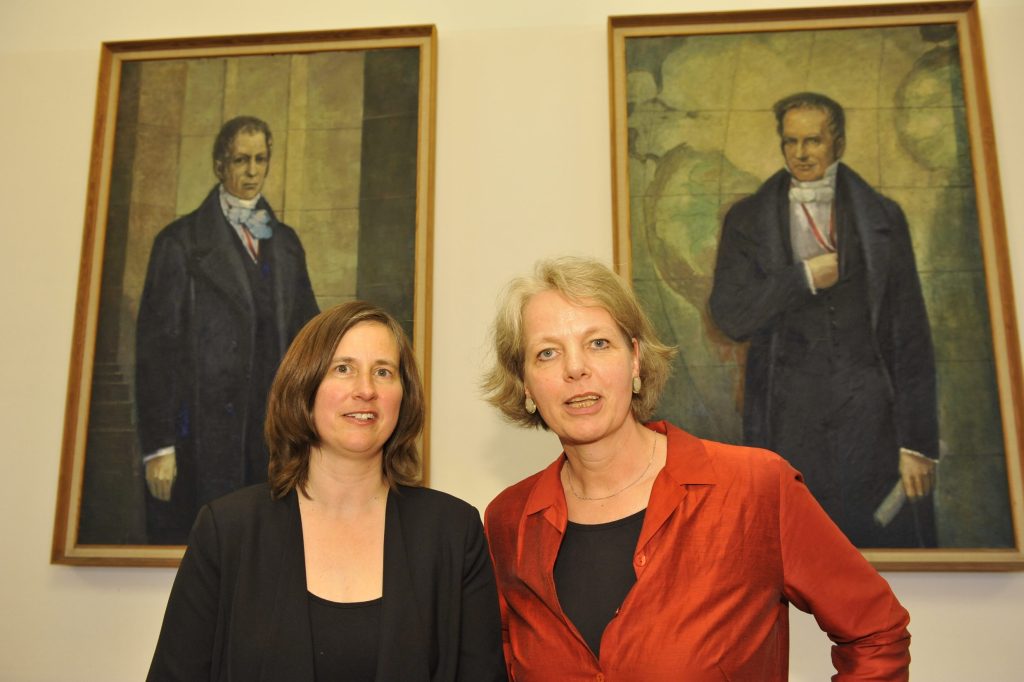
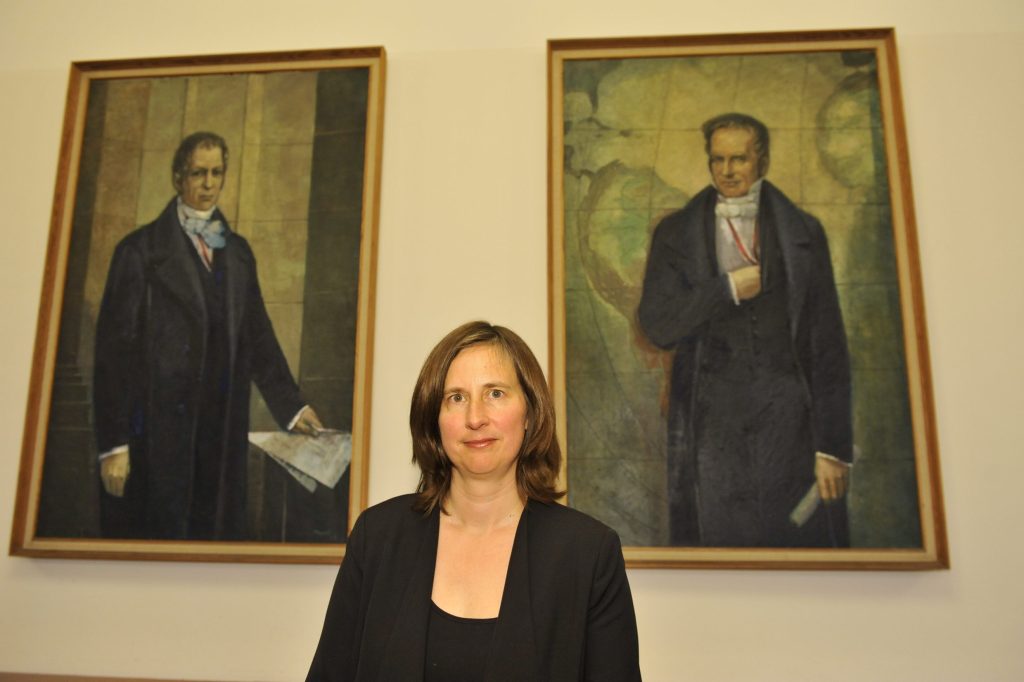
Photo credit: Niels Leiser for the Mosse Lectures
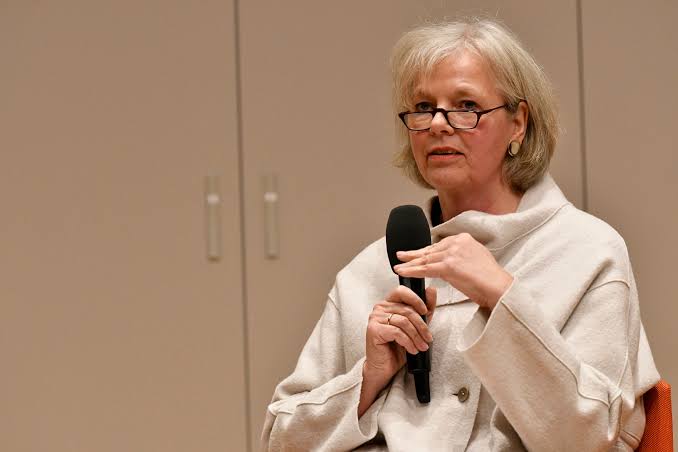
Her research focuses on literature and material culture (museum narratives, literary thing culture, poetics of collecting); literary and cultural history of genealogy, generation, heritage; gender studies in literary studies; narratives of liminality (death narratives, coma, old age, dementia, care, poetics of the afterlife).
She is part of the interdisciplinary project team of „Liminality and Transfer“ (funded by the Einstein Foundation Berlin, 2023-2027) and the Collège doctoral „Littérature et savoirs, XVIe – XXIe siècles“ (in cooperation with Sorbonne nouvelle).
