
2017: Christoph Menke, “Im Schatten der Verfassung. Die Voraussetzungen des Liberalismus” / “In the Shadow of the Constitution: The Prerequisites of Liberalism”
Christoph Menke, “Im Schatten der Verfassung. Die Voraussetzungen des Liberalismus” / “In the Shadow of the Constitution: The Prerequisites of Liberalism”
Berlin Mosse Lecture
https://mosselectures.wisc.edu/berlin/
Thursday, 20 April 2017, 19:00 CET
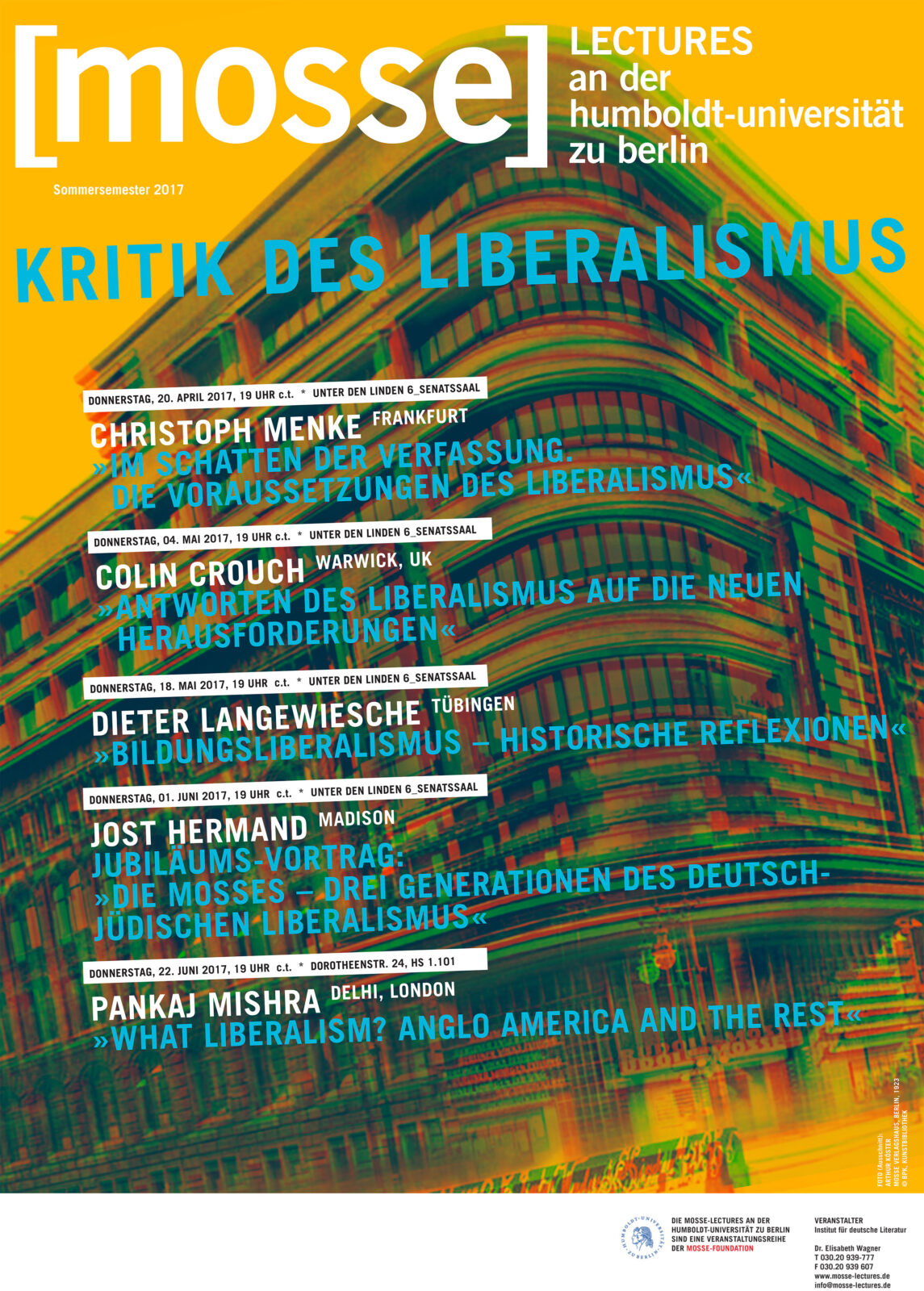
Senatssaal of Humboldt University
Unter den Linden 6
10117 Berlin
GERMANY
Sponsored by:
[mosse] LECTURES an der humboldt-universität zu berlin
The Mosse Foundation
Global Mosse Lecture Series
Institut für deutsche Literatur
Humboldt University
Moderator: Joseph Vogl (Humboldt University)
Lecture Description: Der Liberalismus ist eine Theorie und Praxis der öffentlichen Ordnung, die das Gemeinwesen auf einen ganz anderen Grund stellt als alle Konzeptionen, die ihm geschichtlich vorhergehen (und ebenso die, die sich ihm entgegensetzen). Der Liberalismus geht vom Faktum der individuellen Freiheit aus; die Freiheit des Einzelnen gilt ihm als eine Tatsache, die er voraussetzt. Aber genau darin gründet zugleich die Krise des Liberalismus, auf deren Aufweis seine Kritik zielt. Diese Kritik will zeigen, dass sich der Liberalismus in ein Dilemma verstrickt. Er setzt die Freiheit voraus, aber er kann sie mit seinen eigenen Mitteln, den Mitteln des liberalen Rechts, nicht sicherstellen. Damit setzt die liberale Ordnung eine expansive Tätigkeit des Regierens frei, die nicht mehr der liberalen Form des Rechts entspricht. Die liberale Ordnung unter- und überschreitet sich permanent selbst.
Lecture Series Description: The notion of liberalism recalls one of the most influential political traditions of Europe and the Western world. It captures a variety of positions, ways of thinking, mentalities, practices, and programs that hardly fit under the rubric of one single and unitary concept. Since its 18th-century origins, the concept of ‘liberalism’ assembled an enticing conglomerate of political promises: emancipation and freedom, ideas of statehood, government, and law, free trade agreements and market utopias, projects of general education, and visions of a universal humanity. The liberal idea of ‘Bildung’ was at the center of the Mosse family’s great achievements; it was also at the core of the scholarly work of the historian George L. Mosse; with this lecture series we honor their legacy.
Historically liberalism was the arena of social and political conflicts in struggle with authoritarian and restorative tendencies on the one hand and socialist movements on the other. It raised hard questions about the reciprocal relationship between freedom and equality, self-determination and social justice, private ownership and common welfare. Liberalism, as it were, had the potential and the reservoir of ideas to find solutions to these questions.
In post-war West Germany the ordo-liberals, as they were called, were still striving to find a third way between laissez faire and a planned economy. Since the neoliberal dogma emerged in the 1970s, however, this modest critique of capitalism has given way to the implementation of the financial capitalism of our days. This series of Mosse Lecture will trace the shifts in the concept of ‘liberalism’ and its economic, ecological, and gender issues, global consequences and dislocations. The question arises whether a somehow obsolete liberalism, currently enforced under the rubric of neoliberalism, can offer solutions for problems which it has no means even to articulate on a global scale.
Christoph Menke: Christoph Menke, Professor für praktische Philosophie mit besonderem Schwerpunkt der politischen Philosophie und der Rechtsphilosophie an der Goethe-Universität Frankfurt am Main; Menke zählt zu den Vertretern der sog. »Dritten Generation« der Frankfurter Schule; neuere Monographien: »Die Gegenwart der Tragödie« [2005], »Kritik der Rechte« [2015], mit Arnd Pollmann: »Philosophie der Menschenrechte« [2007], »Die Kraft der Kunst« [2013], im Exzellenzcluster »Normative Orders« der Universität Frankfurt leitet er das Projekt »Normativität und Freiheit«.
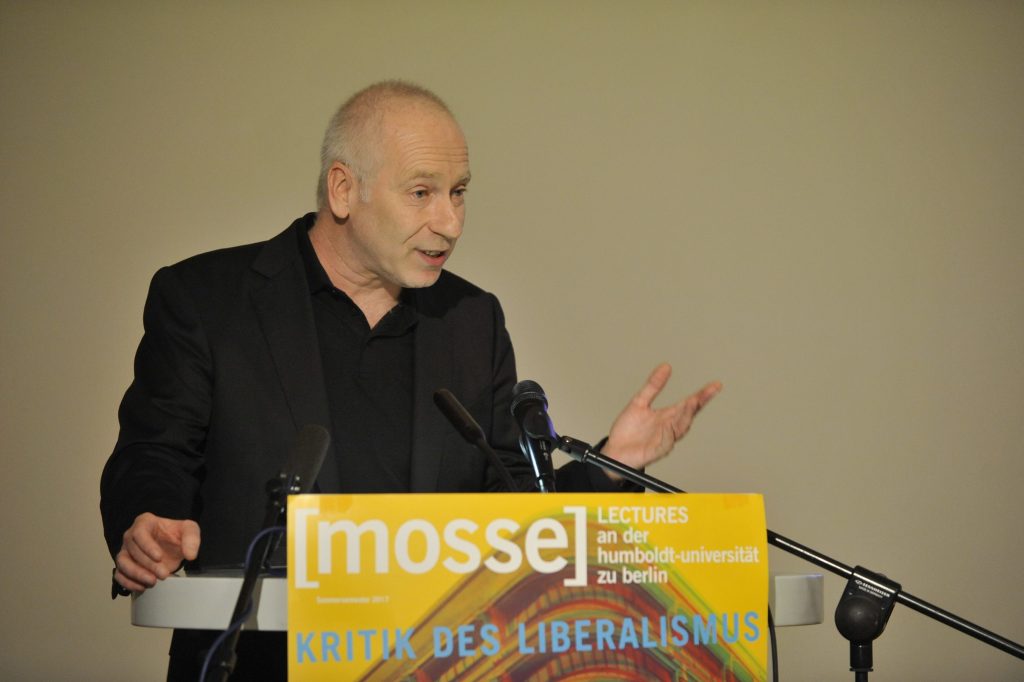
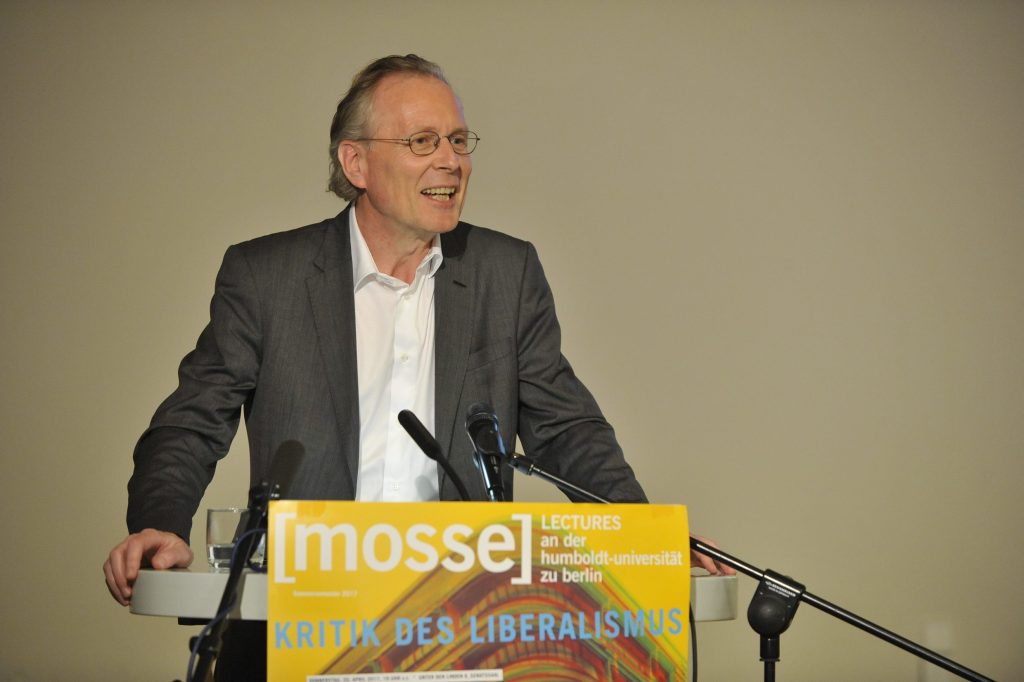
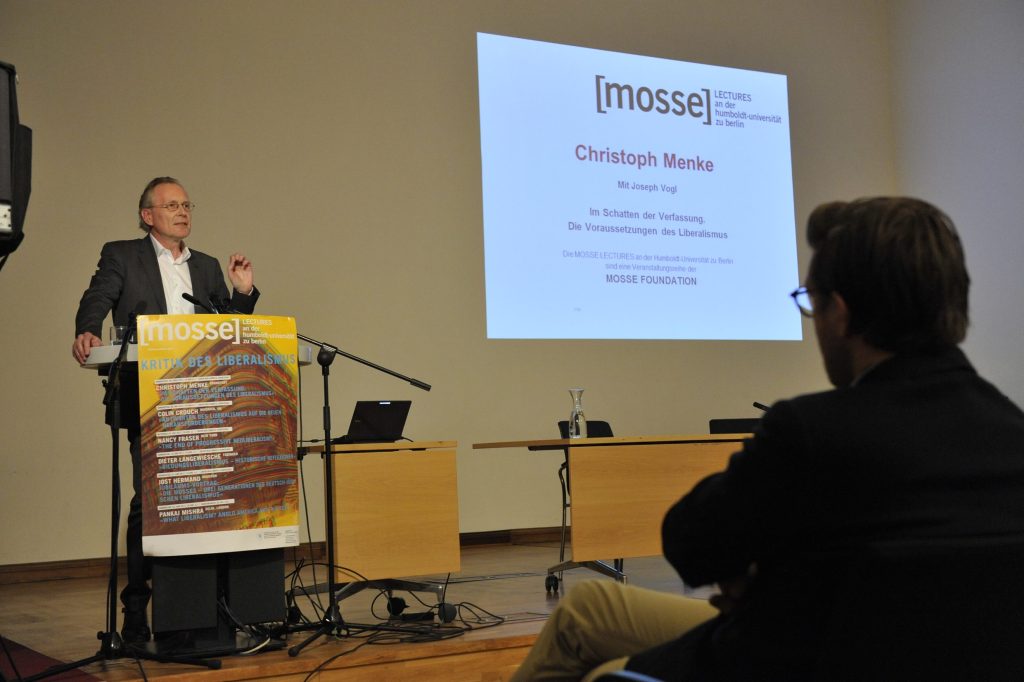
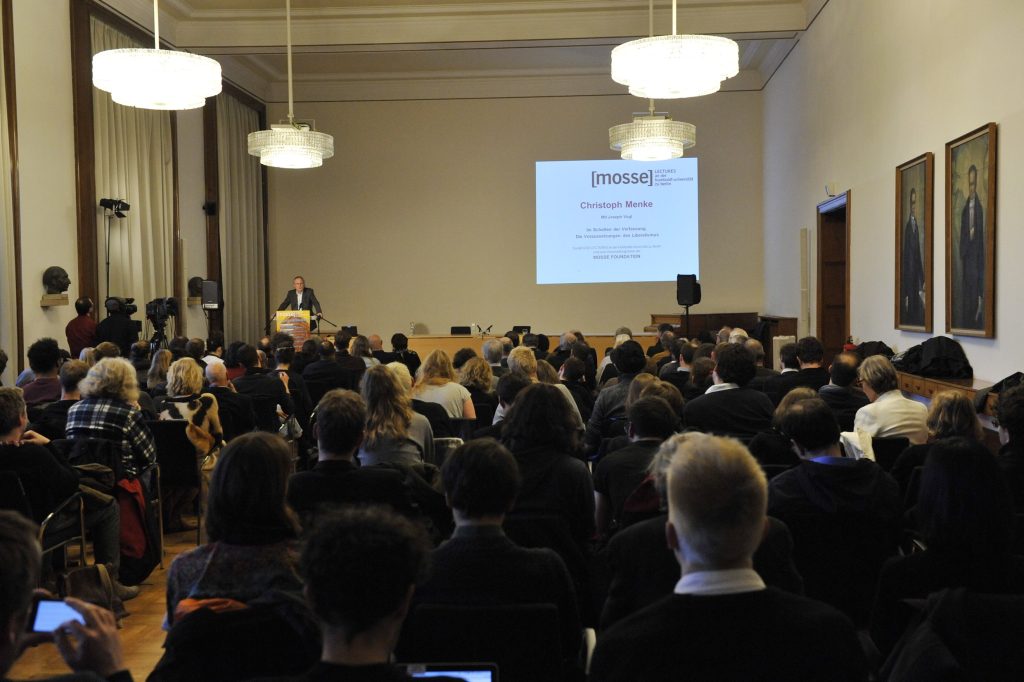
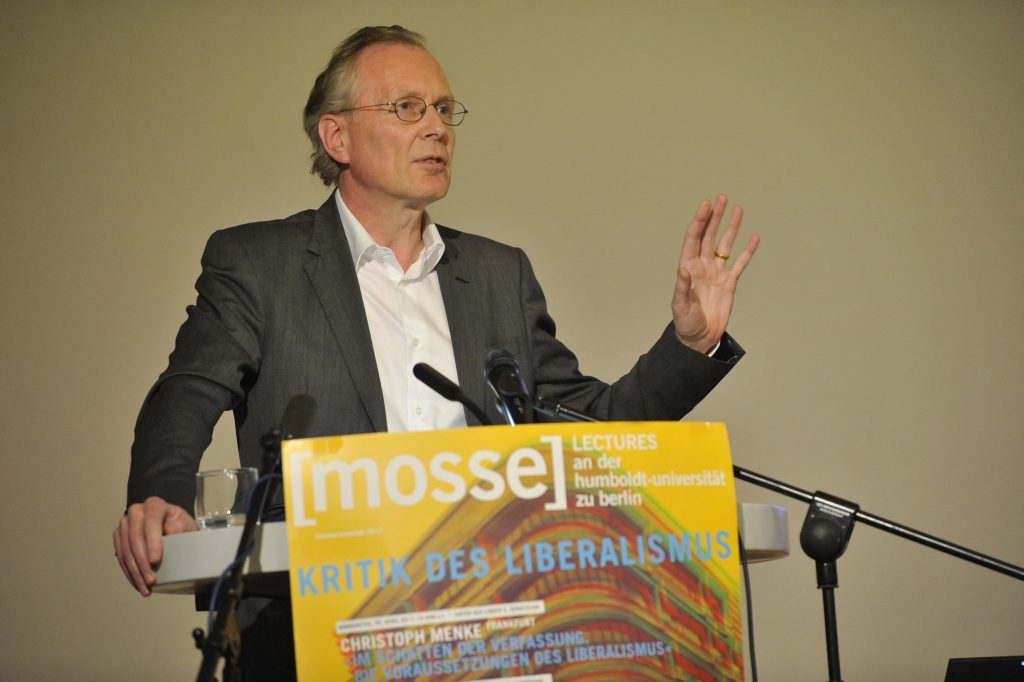
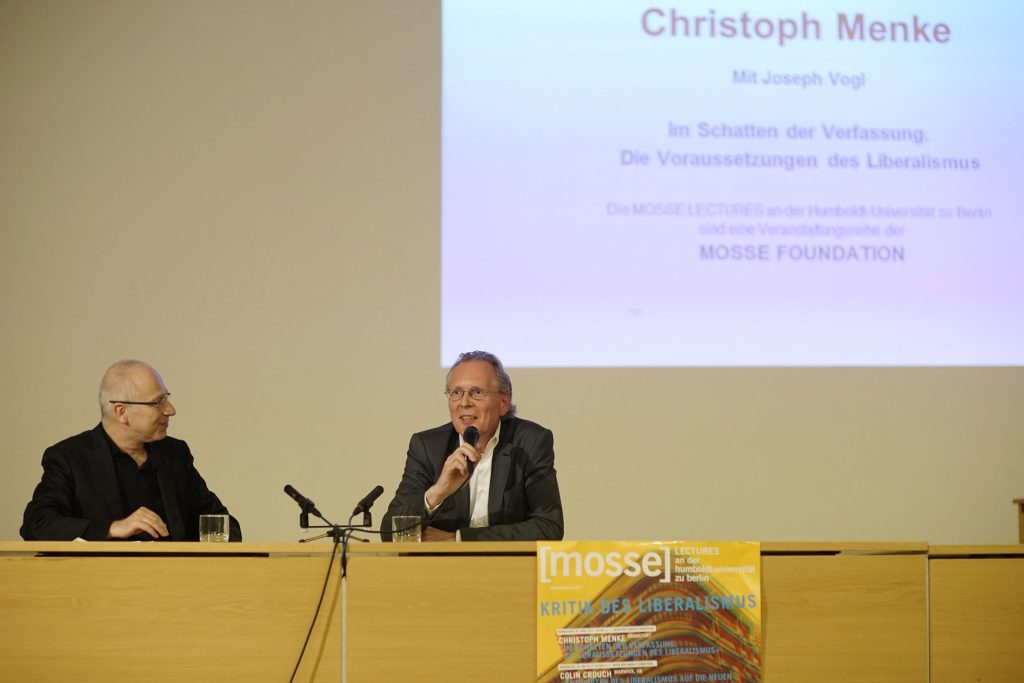
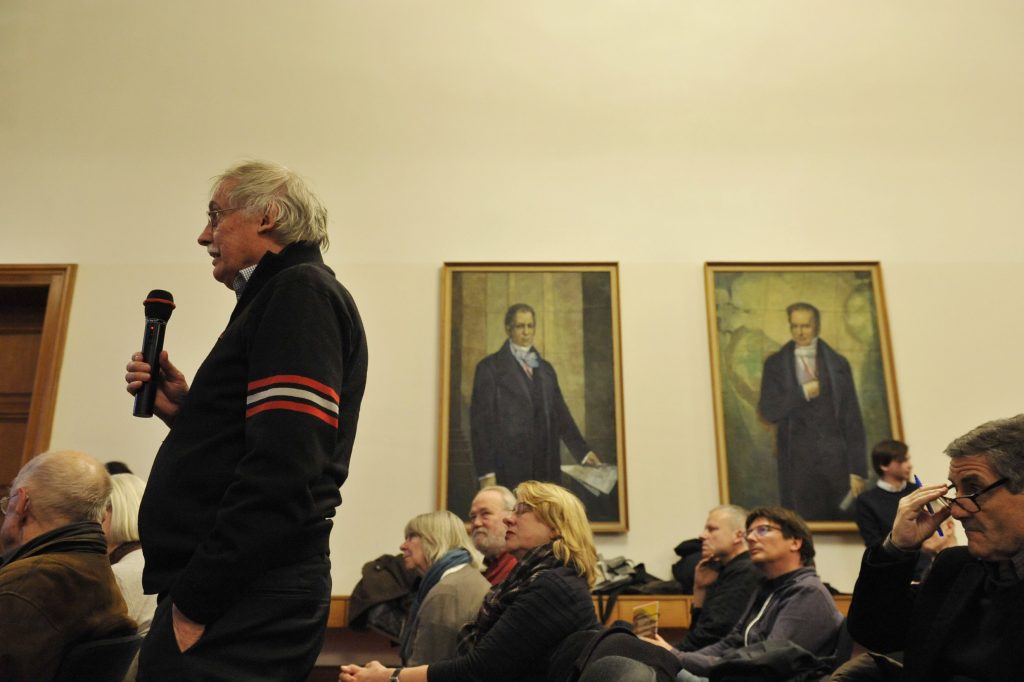
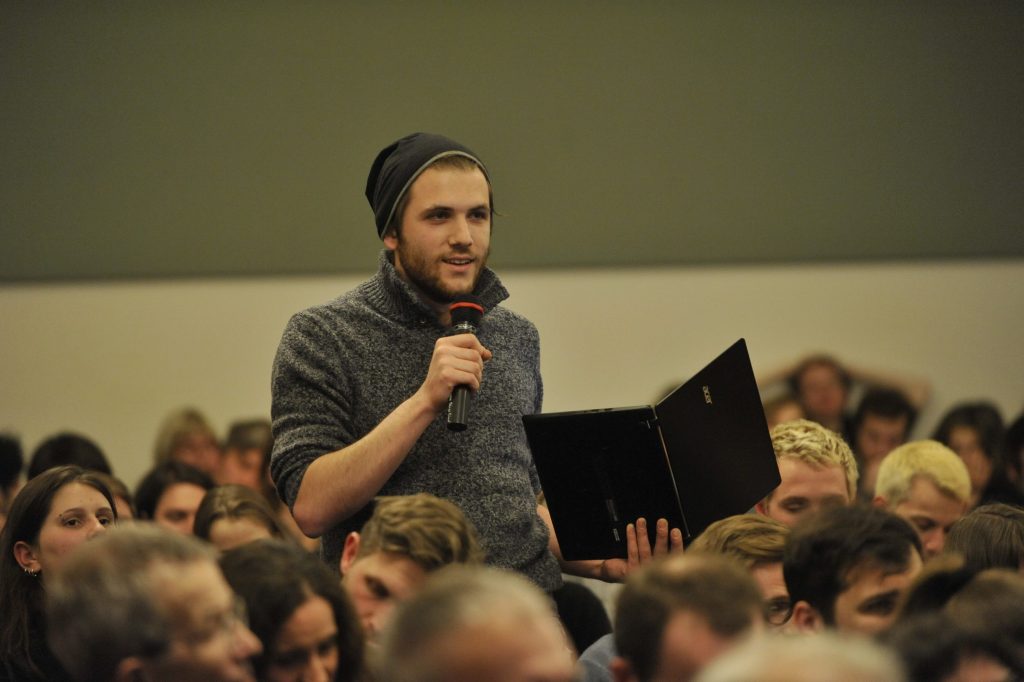
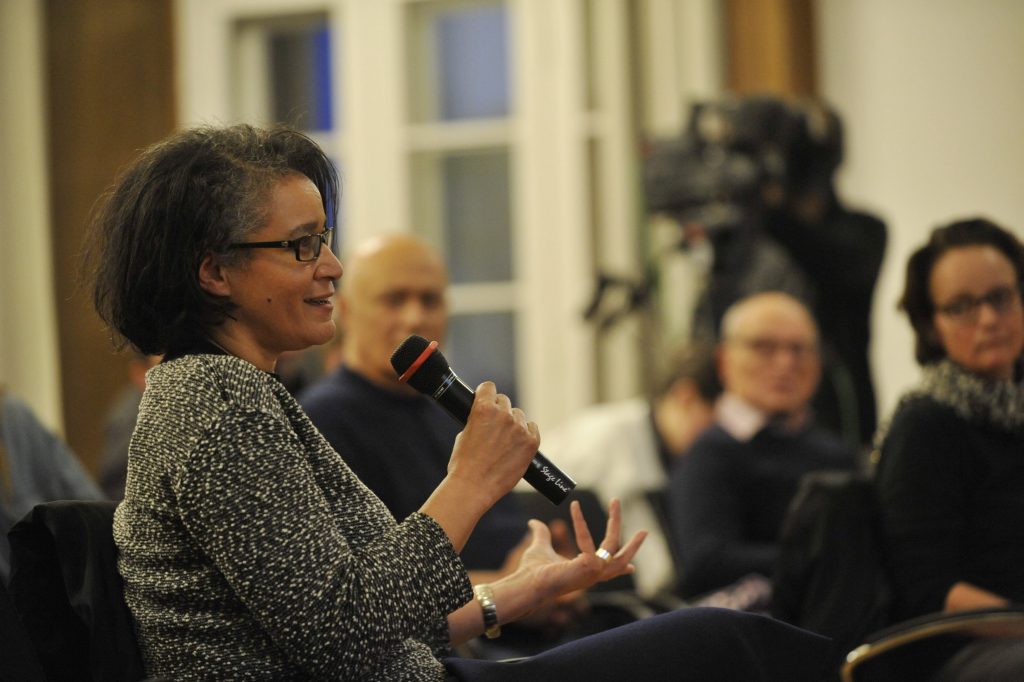
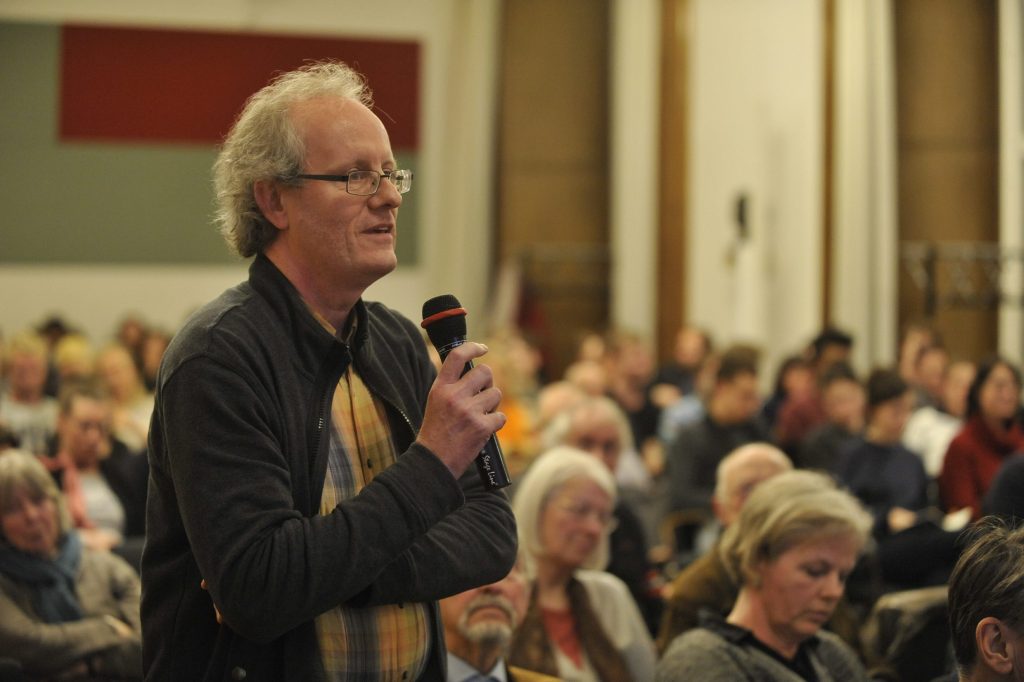
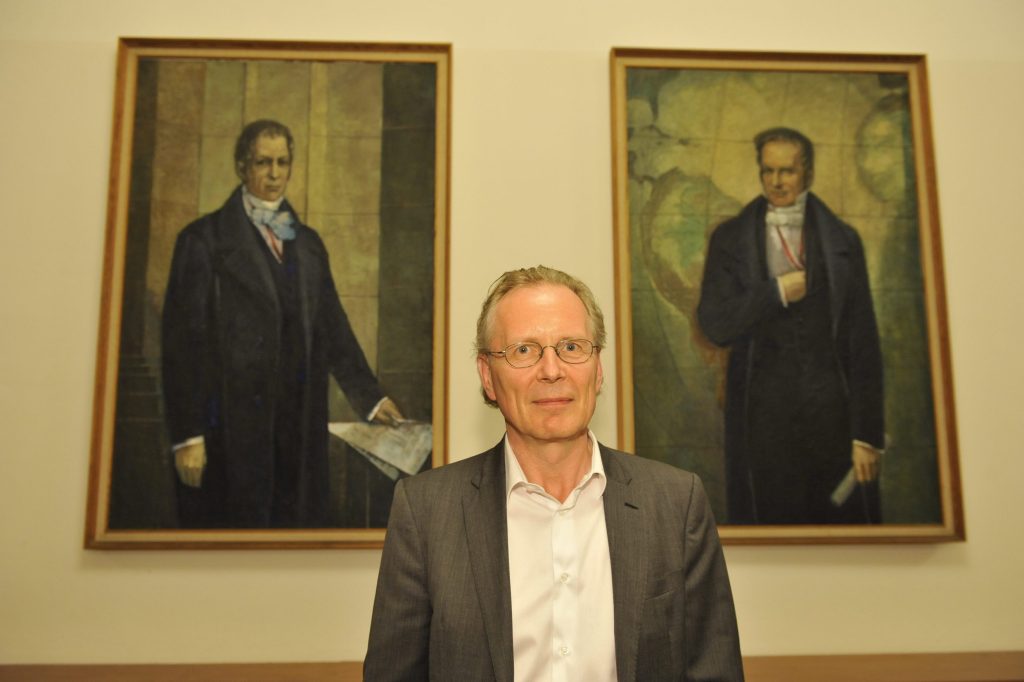
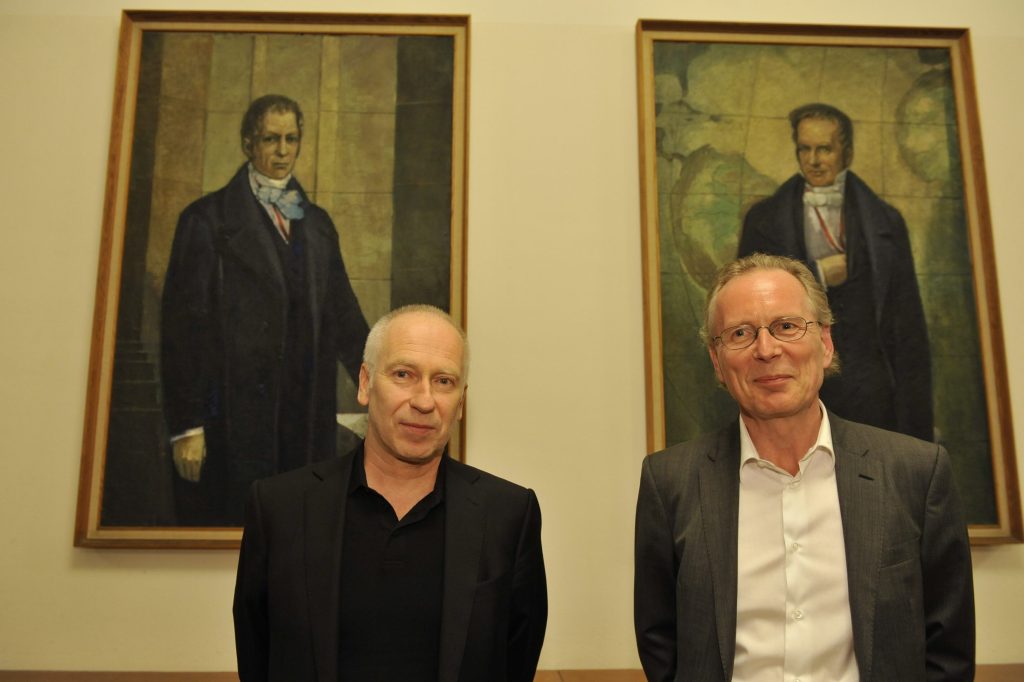
Photo credit: Niels Leiser for the Mosse Lectures
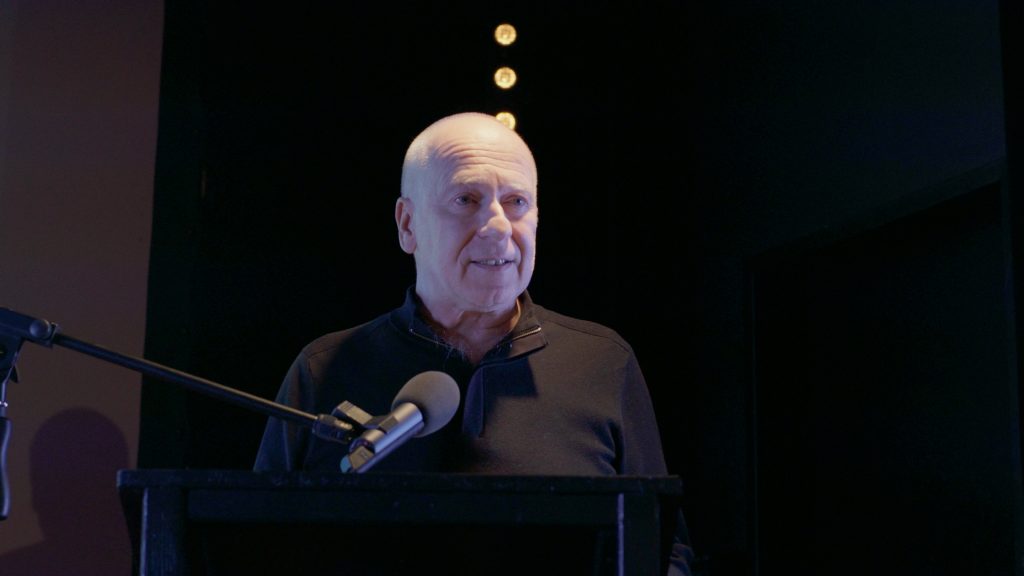
His research and teaching comprises literature from the eighteenth to the twentieth century, media and aesthetics, cultural and political theory. Recent research focuses on the history of financial economy, literature and economics, and the “poetics of knowledge” – the study of the relationships and interactions between forms of knowledge and poetic or aesthetic figures. He is the director or principal investigator of a range of research projects including “The Knowledge of Literature” (PhD-Net), “Small Forms in the History of Literature and Sciences” (Research Training Group), and “Matters of Activity: Image Space Material” (Cluster of Excellence).
Joseph Vogl published more than a hundred articles and book chapters, as well as numerous books and monographs. Among his most important written works are the monographs Ort der Gewalt. Kafkas literarische Ethik (1990); Kalkül und Leidenschaft. Poetik des ökonomischen Menschen (2002); Über das Zaudern (2007; On Tarrying, 2011). Besides his research in literature, cultural and media studies, he is well known for his intensive work on modern and present-day finance and economics, analyzing finance theories from the perspective of cultural history. This work culminated in his books Das Gespenst des Kapitals (2010; The Specter of Capital, 2014), Der Souveränitätseffekt (2015; The Ascendancy of Finance, 2017) and Kapital und Ressentiment. Eine kurze Theorie der Gegenwart (2021; Capital and Ressentiment: A Brief Theory of the Present, 2022), which received wide recognition in the fields of cultural studies as well as economics, and initiated a public debate. Further workings include translations from French to German (Deleuze, Lévi-Strauss, Lyotard) and numerous interviews on TV with Alexander Kluge (see Soll und Haben. Fernsehgespräche, 2009; Senkblei der Geschichten. Gespräche, 2020).
He was awarded the Günther Anders Prize for Critical Thinking (2022). For his book Der Souveränitätseffekt (The Ascendancy of Finance) Vogl was on the shortlist for the Leipzig Book Fair Prize 2015 in the category of non-fiction. In 1988 he received the Translation Prize for the Promotion of Franco-German Relations (DVA Foundation) for his translations of key works of modern French philosophy.
