
2021: Didier Fassin, “Conspiracy Theories As Crises and Critique”
Didier Fassin, “Conspiracy Theories As Crises and Critique“
Humboldt University Berlin Mosse Lecture
mosselectures.wisc.edu/berlin/
Thursday, 10 June 2021, 19:15 CET
Senatssaal of Humboldt University
Unter den Linden 6
1. Stock
10117 Berlin
GERMANY
Sponsored by:
[mosse] LECTURES an der humboldt-universität zu berlin
The Mosse Foundation
Global Mosse Lecture Series
Institut für deutsche Literatur
Humboldt University
Moderator: Joseph Vogl (Humboldt University)
Lecture Description: Conspiracy theories have flourished across the world in the modern era. Not that they did not exist in earlier periods, but the notion that emancipation from religion and superstition promised by the Enlightenment would prevent them has definitely fizzled out. How can we interpret them? I want to do so via their dual relation to crisis and critique. Indeed, conspiracy theories can be regarded as signaling the existence of a dual crisis: crisis of authority (distrust towards those in power) and crisis of veridiction (distrust towards their official truth). At the same time, they can be viewed as a response to the crisis, a critique of the political and cognitive order of things (the production of an alternative truth and the regaining of a certain counter-power). They are not only provoking crises, they are also unveiling pre-existing crises as well as reacting to them. By proposing this interpretation, I am not trying to justify them with the fact that they would have the positive function of bringing to light problematic situations and of providing answers to them. I am instead attempting to account for the critical work that they may achieve, which does not mean that they necessarily achieve this critical work. What I am interested in is the possibility to understand them as not only destructive of a cognitive order, which is how most analysts see them and how they definitely can be, but also as productive of other social, cultural, political, even ethical realities. I will try to discuss this ambiguous heuristics through one of the most important conspiracy theories of recent decades: that surrounding the AIDS epidemic in South Africa.
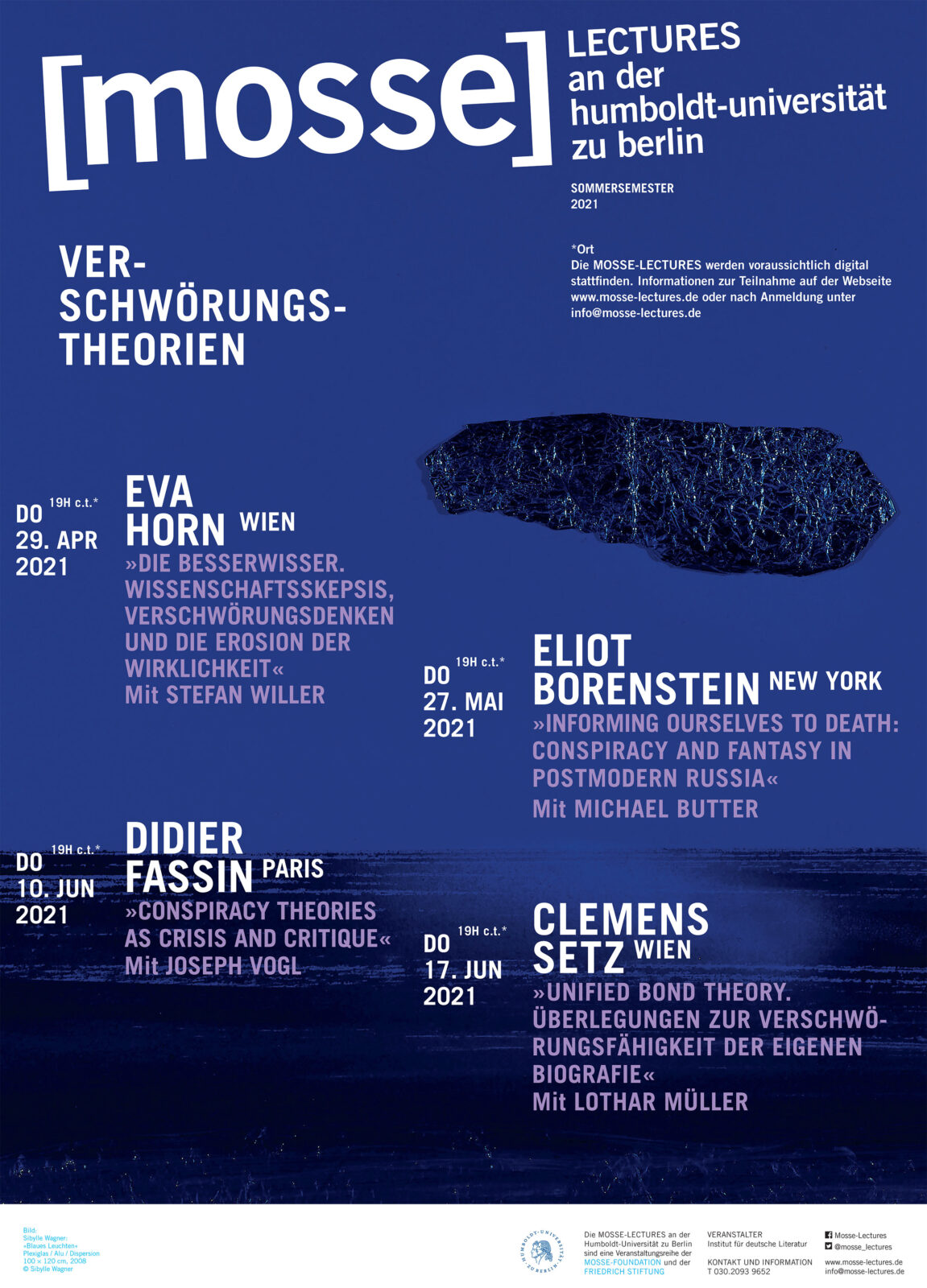
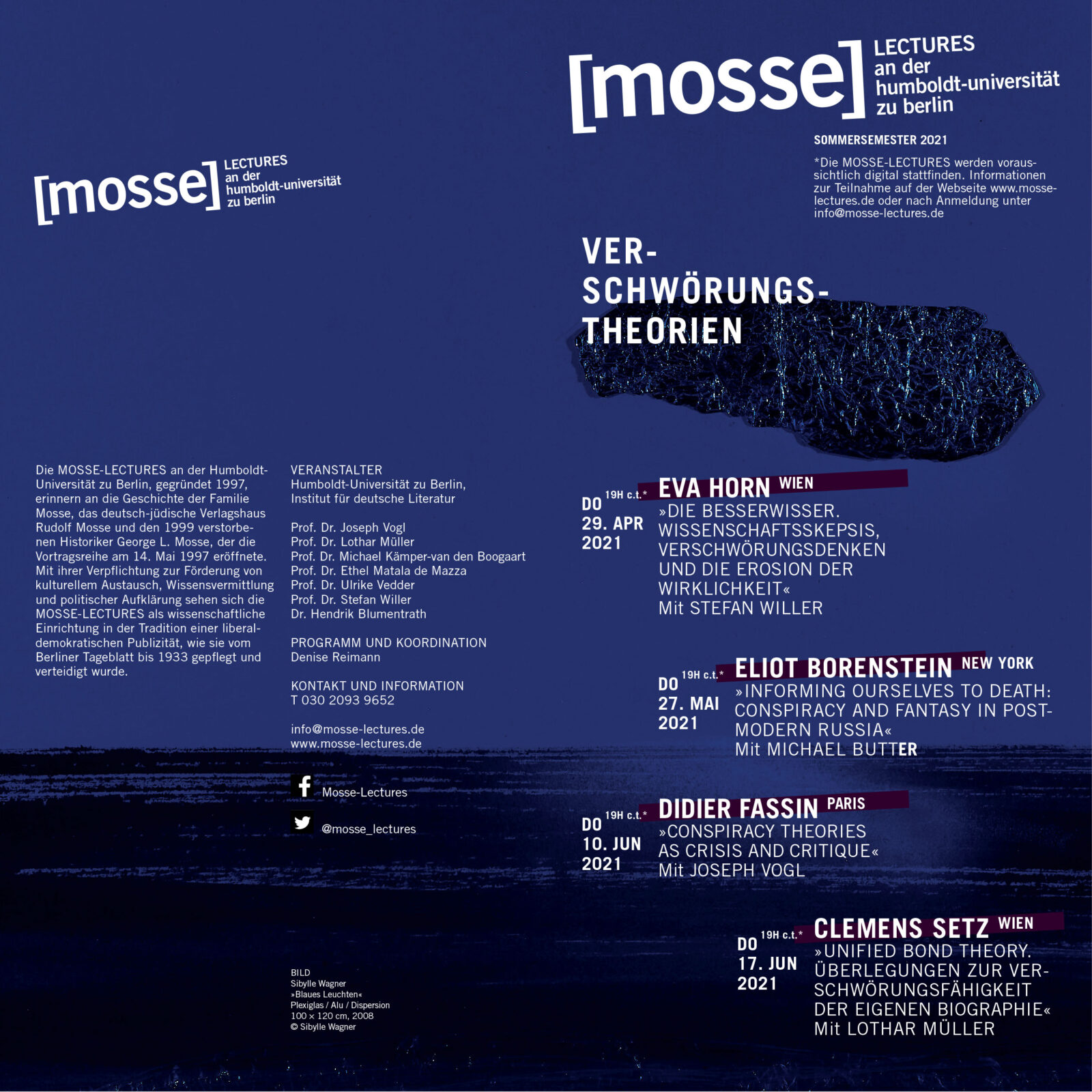
Lecture Series Theme: “Verschwörungstheorien”/”Conspiracy Theories”
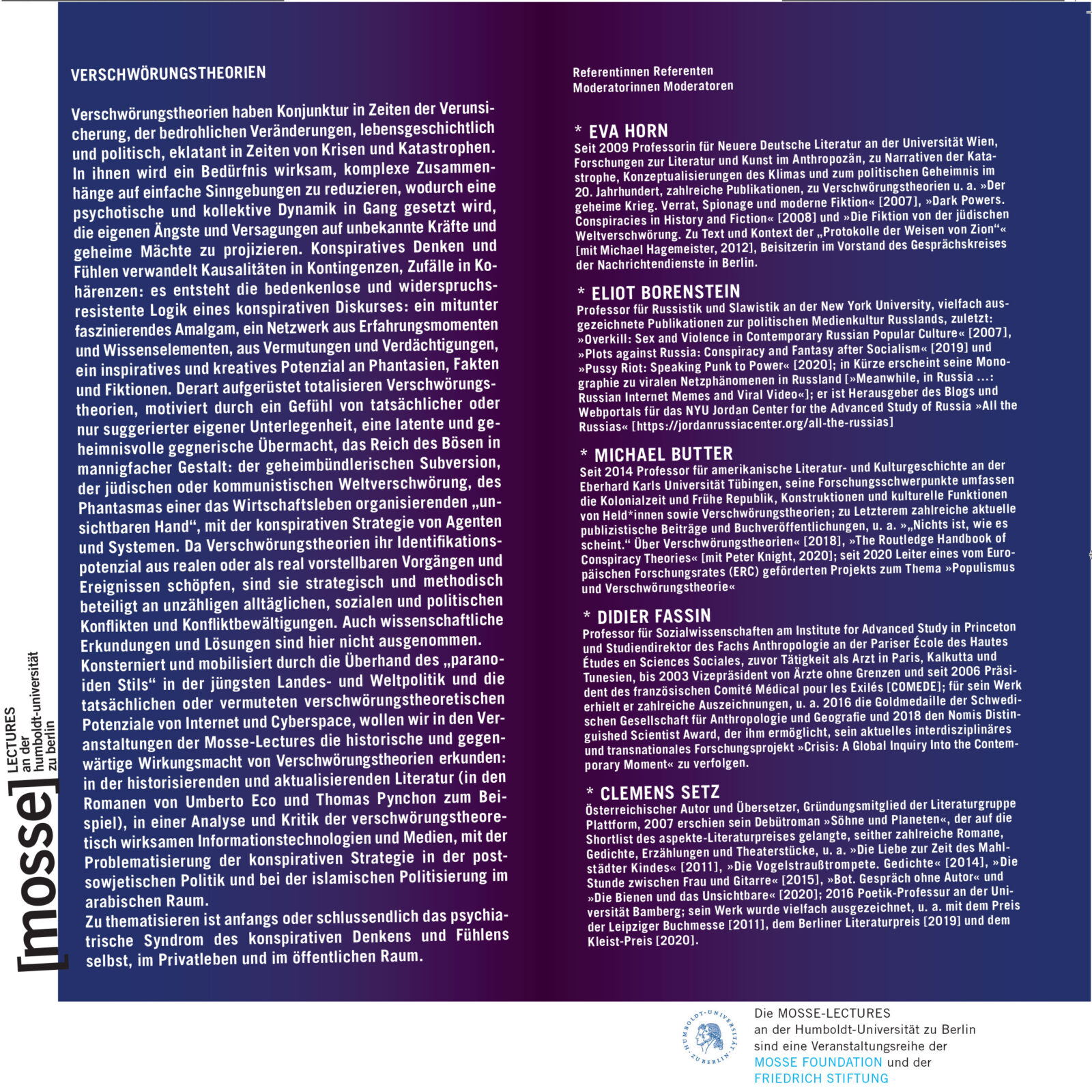
Lecture Series Description: Verschwörungstheorien haben Konjunktur in Zeiten der Verunsicherung, von bedrohlichen Veränderungen, lebensgeschichtlich und politisch, eklatant in Zeiten von Krisen und Katastrophen. In ihnen wird ein Bedürfnis wirksam, komplexe Zusammenhänge auf einfache Sinngebungen zu reduzieren. Eine psychotische und kollektive Dynamik wird in Gang gesetzt. Es entsteht die bedenkenlose und widerspruchsresistente Logik eines konspirativen Diskurses: ein mitunter phantasiereiches und faszinierendes Amalgam, ein Netzwerk aus Erfahrungsmomenten und Wissenselementen, aus Vermutungen und Verdächtigungen, aus Fakten und Fiktionen. Derart aufgerüstet erzeugen Verschwörungstheorien, motiviert durch ein Gefühl von tatsächlicher oder auch nur empfundener Benachteiligung oder Unterlegenheit, Ängste: vor einer angeblichen Bedrohung durch ein Reich des Bösen in Gestalt einer geheimbündlerischen Subversion oder einer jüdischen Weltverschwörung. Da Verschwörungstheorien ihr Identifikationspotenzial aus realen oder als real vorstellbaren Vorgängen und Ereignissen schöpfen, sind sie strategisch und methodisch beteiligt an unzähligen alltäglichen, sozialen und politischen Konflikten und Konfliktbewältigungen. In diesem Programm der Mosse-Lectures wollen wir die historische und gegenwärtige Wirkungsmacht von Verschwörungstheorien erkunden: in der historisierenden und aktualisierenden Literatur (bei Umberto Eco zum Beispiel), in einer Analyse und Kritik von verschwörungstheoretisch wirksamen Informationstechnologien und Medien, mit der Problematisierung konspirativer Strategien in der Politik (im postsowjetischen Russland z.B.).
In times of uncertainty and looming threats changes, conspiracy theories have become extremely popular again, in life stories as well as in political propaganda. In times of crisis and catastrophe an urgent need to reduce complexities to simple meanings gains attention, thus producing psychotic and collective dynamics by projecting personal fears and privations onto unknown forces and secret powers. Conspirative thinking and feel-ing transforms causalities and contingencies into an asserted coherence. Conspirative discourse thus invents its own logic, careless of facts and consistent in itself, fascinating for many as an amalgamate of well-known elements of experience and knowledge abruptly brought together: a creative and inspirational panoply of phantasies, presump-tions and suspicions, facts and fiction. Emotionally charged with an uncertain feeling of one’s own real or suggested inferiority, a hostile superior force is imagined, which acts mysteriously and is in total control. An evil empire appears in manifold shapes: the subversive energy of secret societies, the Jewish or communist world conspiracy, the economic phantasm of the invisible hand of the market, and all kinds of conspirative strategies of agents and systems. Since theories of conspiracy draw their potential of identification from real or presumably real activities and happenings they are part of innumerable every day social and political conflicts and conflict managements, including even scientific research and technical solutions. Ultimately, of course, the agenda of conspiracy theory might become conspirative itself. Faced with the rise of a »paranoid style« of conspiracy, which is gaining the upper hand in internet fake news and cyberspace activities in national and world politics, this series of Mosse-Lectures intends to take a second look at the power and impact of conspiracy theories both in history and in our own time. We focus on the fictional conspirative plots of Umberto Eco, Thomas Pynchon, and other recent narratives, on an analysis und critique of populist strategies and the complicity of information politics and media entertainment, on the political effects of conspiracy theories in post-Soviet Russia and the Arabic world, and, last but not least, on the psychiatric evidence of the conspirative syndrome itself in everyday life and in public relations.
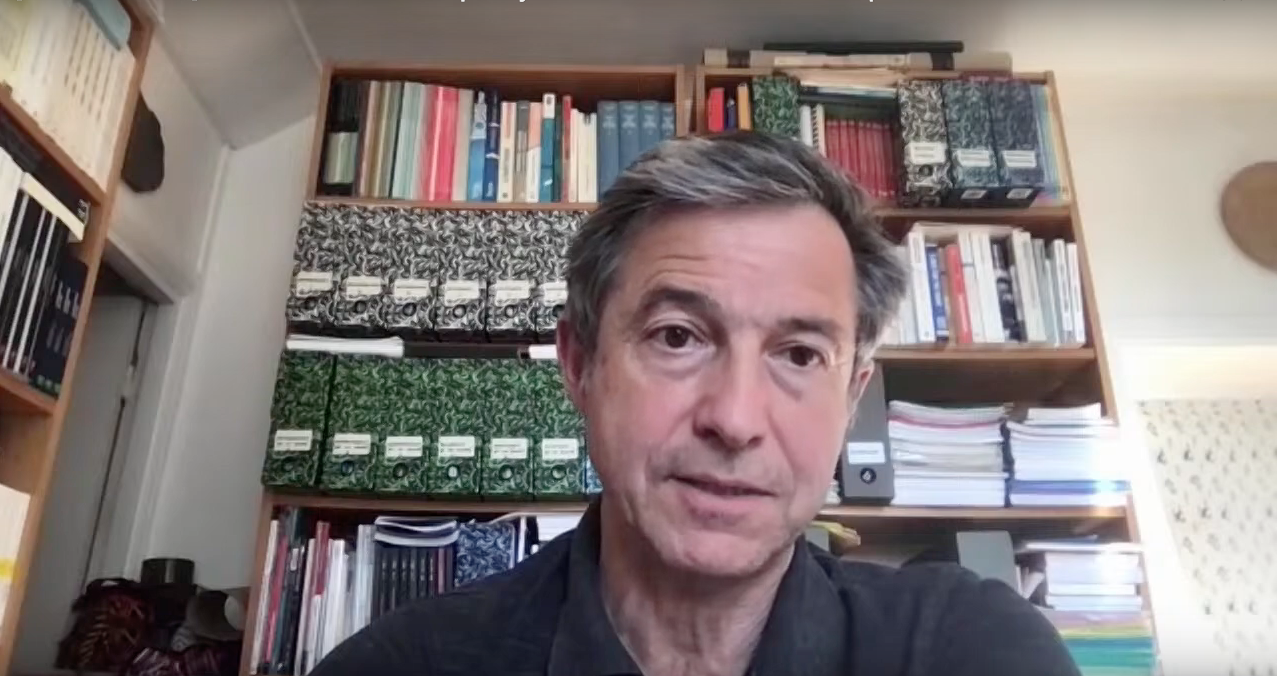
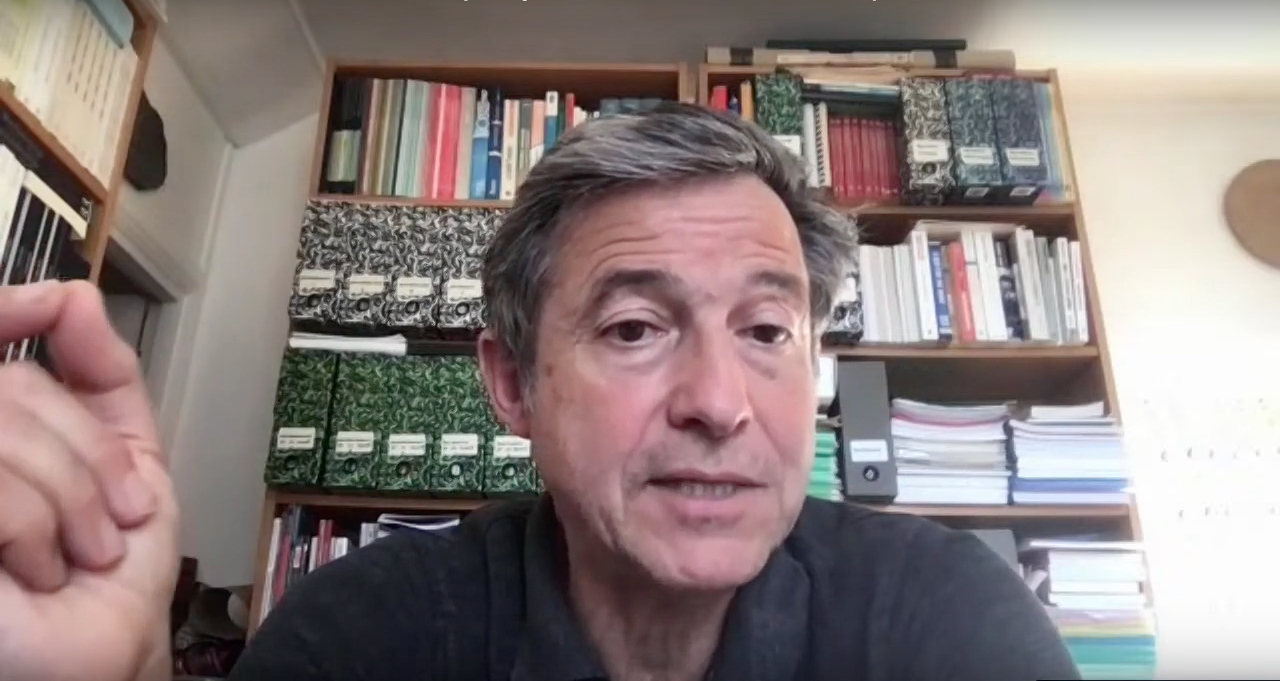
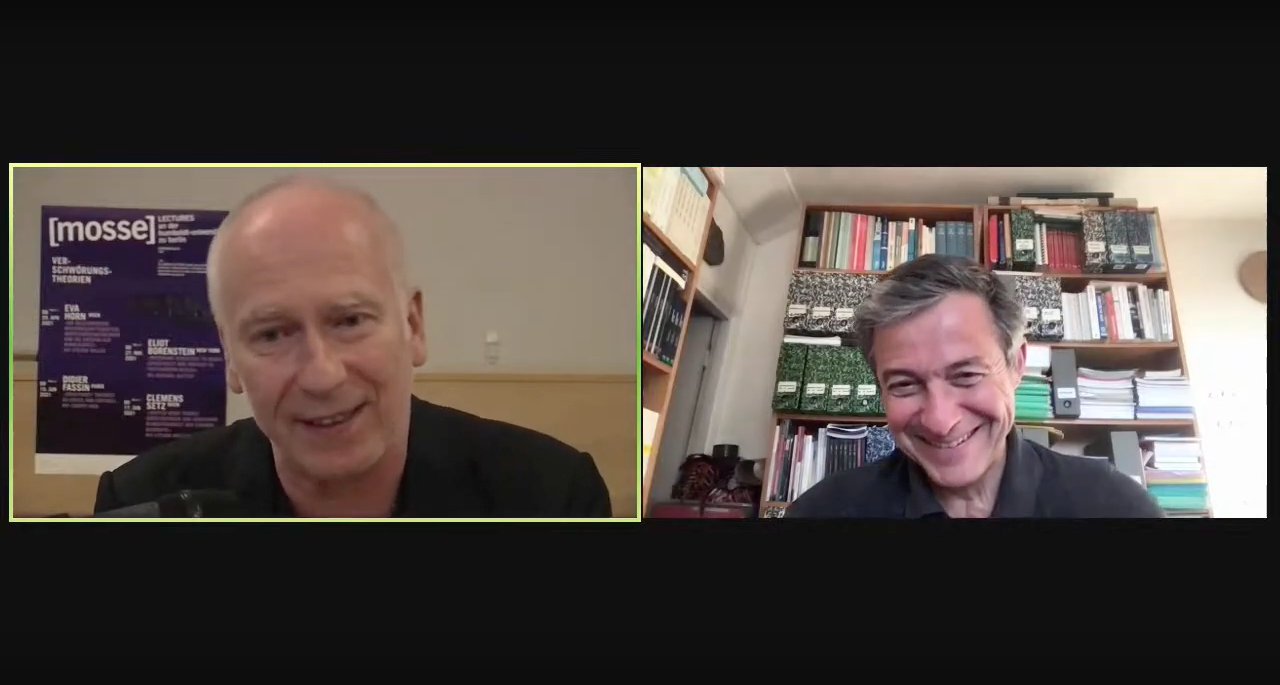
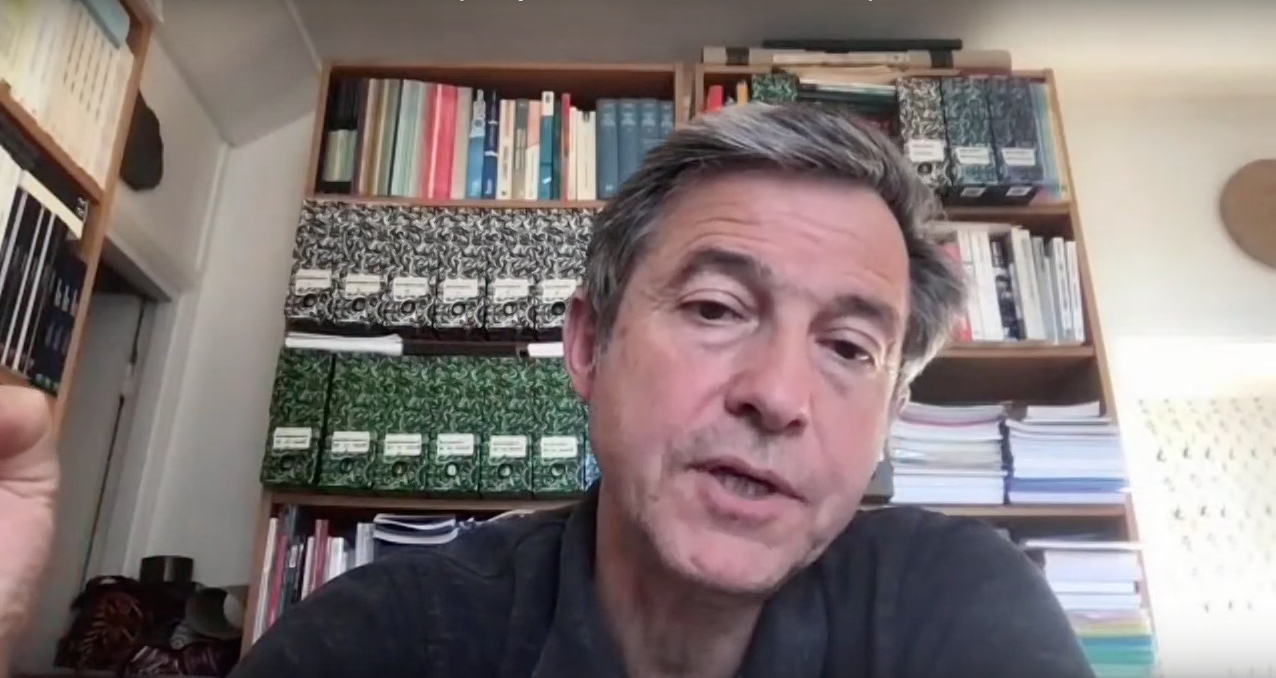
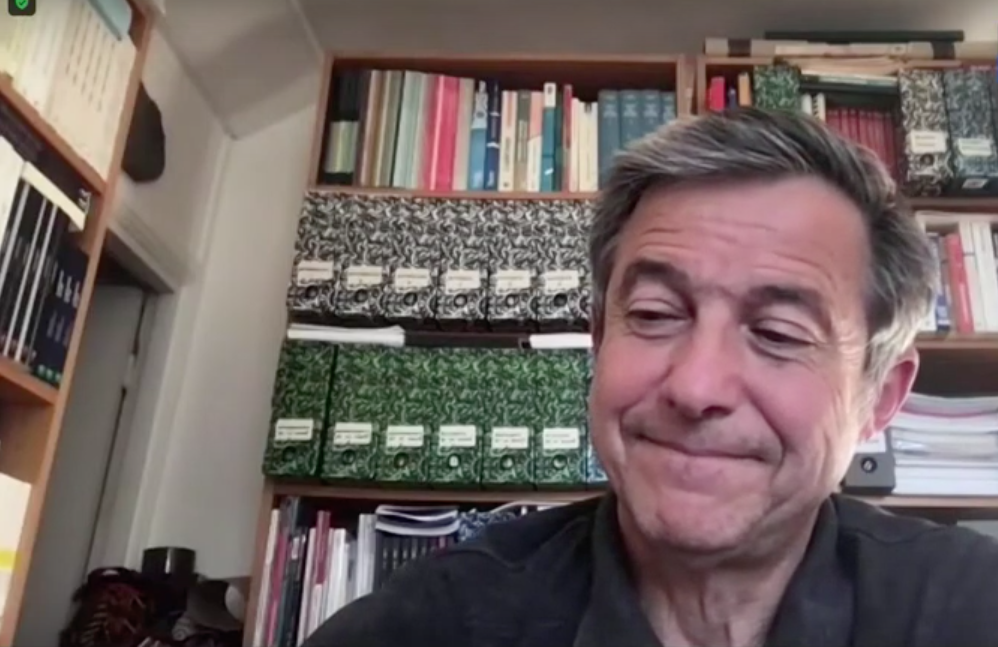
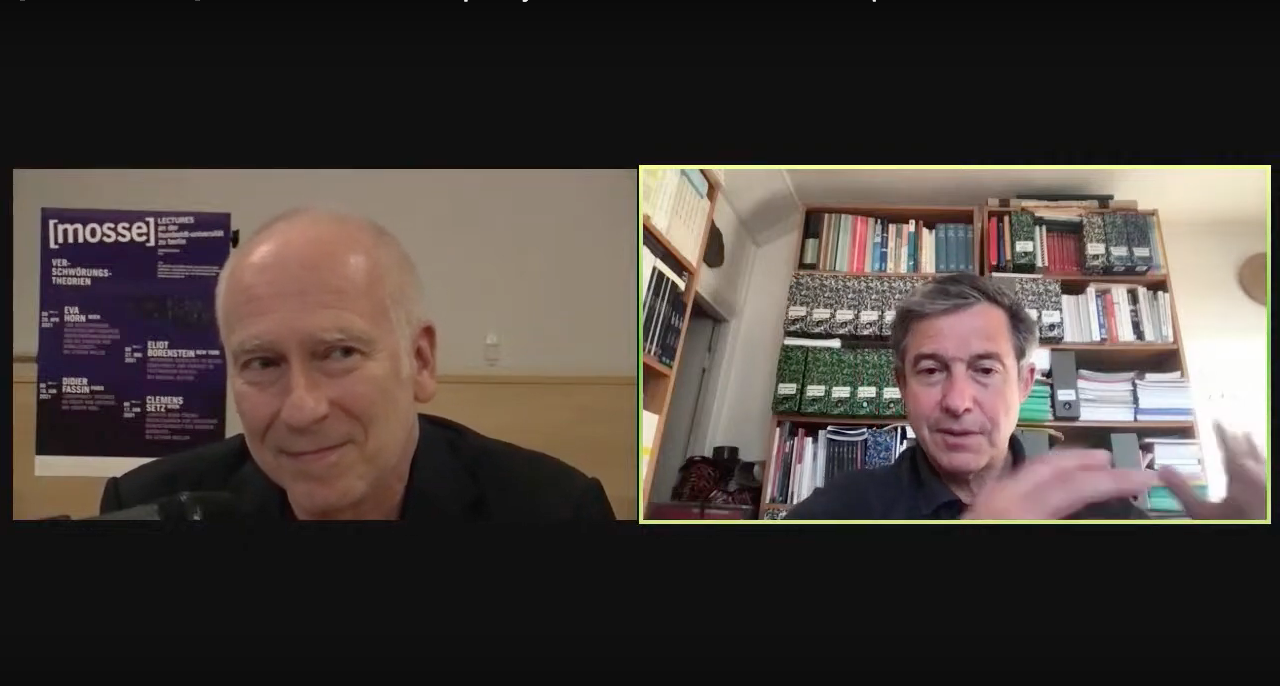
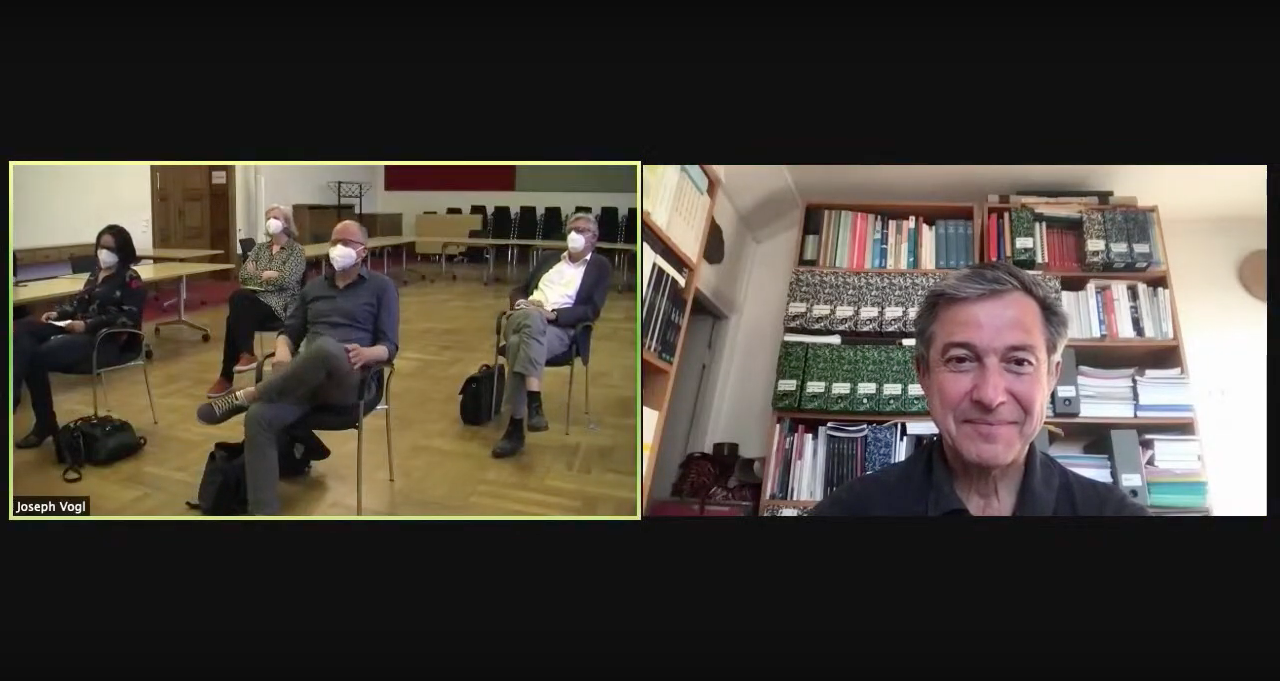
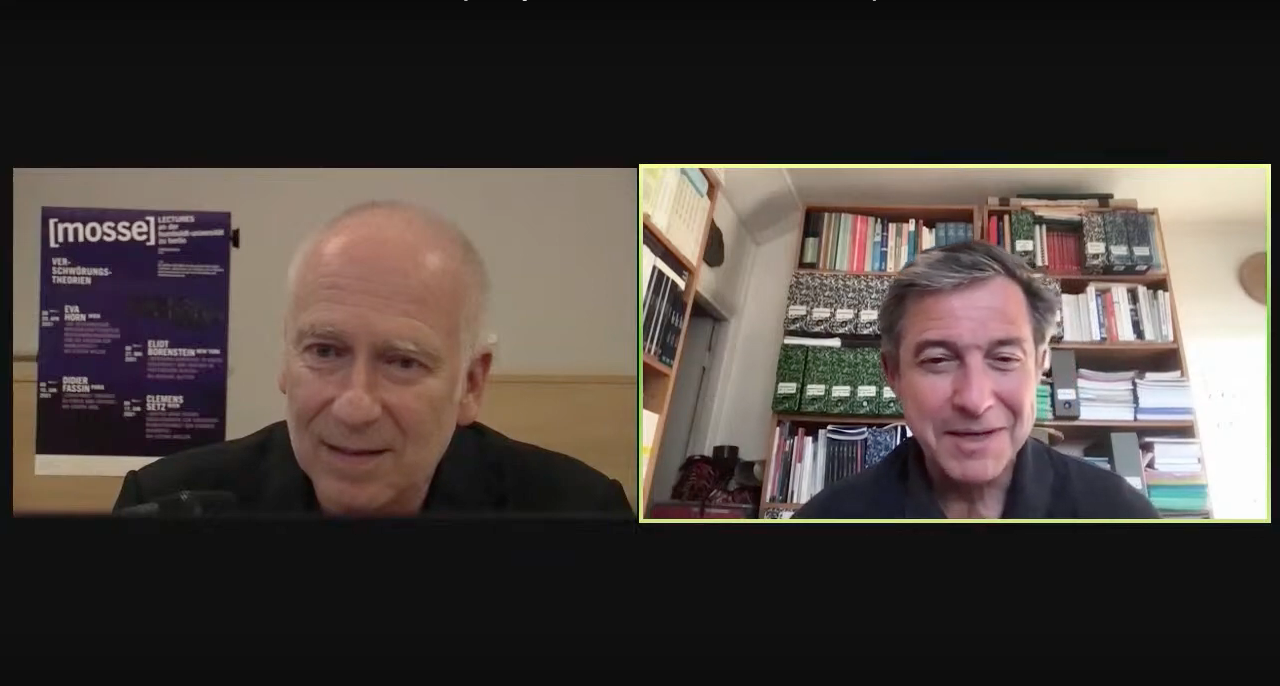
Didier Fassin: Didier Fassin ist Professor für Sozialwissenschaften am Institute for Advanced Study in Princeton sowie Studiendirektor des Fachs Anthropologie an der Pariser École des Hautes Études en Sciences Sociales. Zuvor war er tätig als Arzt in Paris, Kalkutta und Tunesien, war bis 2003 Vizepräsident von Ärzte ohne Grenzen und ist seit 2006 Präsident des französischen Comité Médical pour les Exilés (COMEDE). Für sein Werk erhielt Fassin zahlreiche internationale Auszeichnungen, welche es ihm aktuell ermöglichen, sein interdisziplinäres und transnationales Forschungsprojekt »Crisis: A Global Inquiry Into the Contemporary Moment« zu verfolgen.
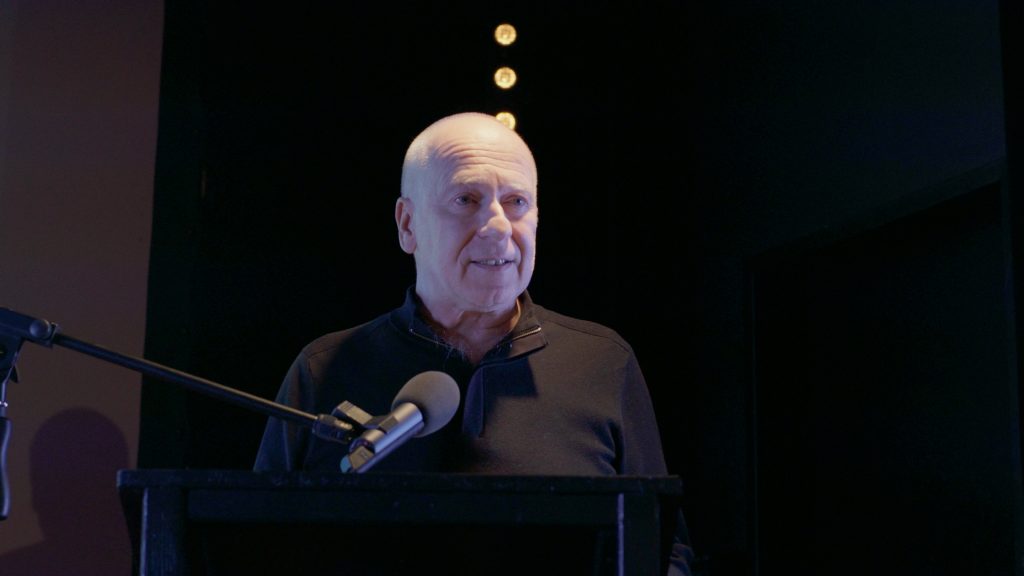
His research and teaching comprises literature from the eighteenth to the twentieth century, media and aesthetics, cultural and political theory. Recent research focuses on the history of financial economy, literature and economics, and the “poetics of knowledge” – the study of the relationships and interactions between forms of knowledge and poetic or aesthetic figures. He is the director or principal investigator of a range of research projects including “The Knowledge of Literature” (PhD-Net), “Small Forms in the History of Literature and Sciences” (Research Training Group), and “Matters of Activity: Image Space Material” (Cluster of Excellence).
Joseph Vogl published more than a hundred articles and book chapters, as well as numerous books and monographs. Among his most important written works are the monographs Ort der Gewalt. Kafkas literarische Ethik (1990); Kalkül und Leidenschaft. Poetik des ökonomischen Menschen (2002); Über das Zaudern (2007; On Tarrying, 2011). Besides his research in literature, cultural and media studies, he is well known for his intensive work on modern and present-day finance and economics, analyzing finance theories from the perspective of cultural history. This work culminated in his books Das Gespenst des Kapitals (2010; The Specter of Capital, 2014), Der Souveränitätseffekt (2015; The Ascendancy of Finance, 2017) and Kapital und Ressentiment. Eine kurze Theorie der Gegenwart (2021; Capital and Ressentiment: A Brief Theory of the Present, 2022), which received wide recognition in the fields of cultural studies as well as economics, and initiated a public debate. Further workings include translations from French to German (Deleuze, Lévi-Strauss, Lyotard) and numerous interviews on TV with Alexander Kluge (see Soll und Haben. Fernsehgespräche, 2009; Senkblei der Geschichten. Gespräche, 2020).
He was awarded the Günther Anders Prize for Critical Thinking (2022). For his book Der Souveränitätseffekt (The Ascendancy of Finance) Vogl was on the shortlist for the Leipzig Book Fair Prize 2015 in the category of non-fiction. In 1988 he received the Translation Prize for the Promotion of Franco-German Relations (DVA Foundation) for his translations of key works of modern French philosophy.
