2016: Joseph Vogl, “The Specter of Capital or The Strange Survival of Theodicy in Economics”
Joseph Vogl, “The Specter of Capital or The Strange Survival of Theodicy in Economics”
Berkeley Mosse Lecture
https://mosselectures.wisc.edu/berkeley/
Thursday, 7 April 2016, 17:00-19:00 PDT
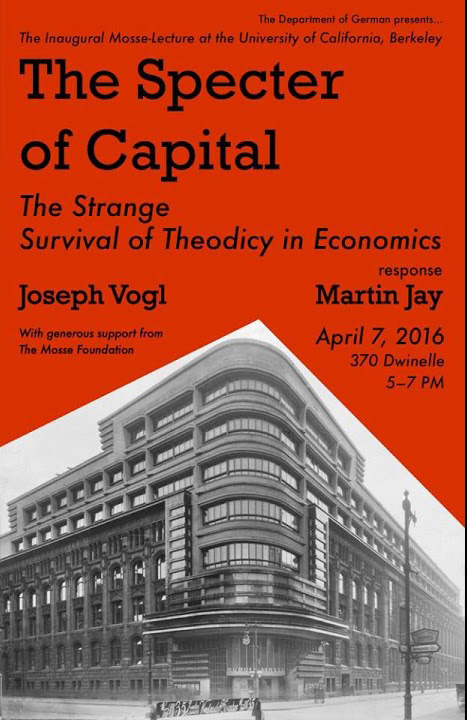
370 Dwinelle Hall
UC Berkeley
South Dr.
Berkeley, CA 94720
Sponsored by:
Global Mosse Lecture Series
The Mosse Foundation
UC Berkeley Department of German
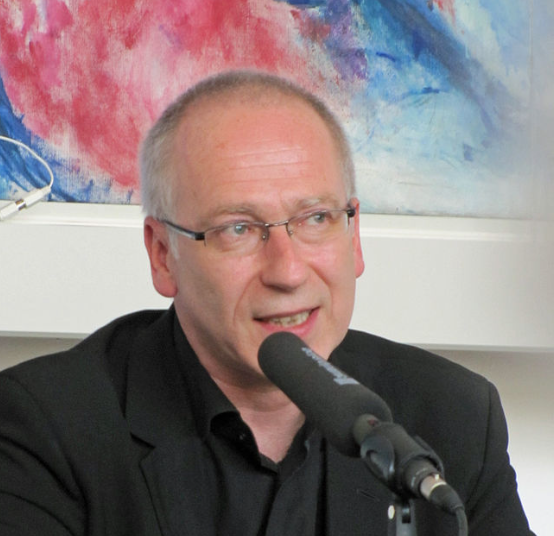
Moderator: Deniz Göktürk (UC Berkeley)
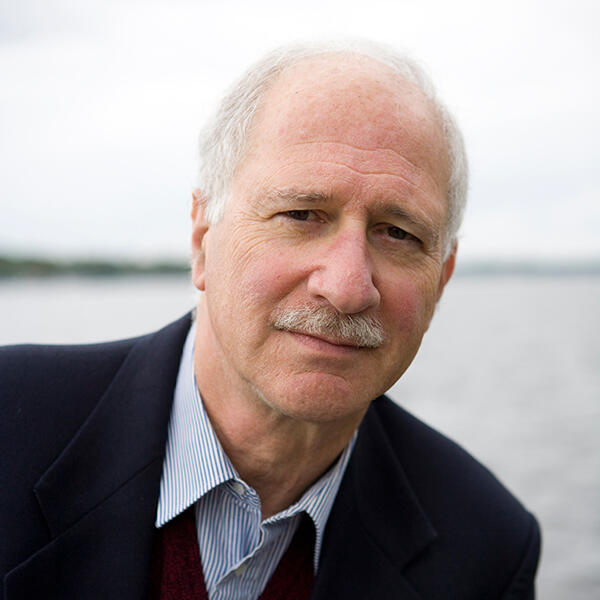
Respondent: Martin Jay (UC Berkeley)
Lecture Description: The seventeenth and eighteenth centuries were witness to the rise of theodicy as an attempt to justify the rational and providential workings of God in a world full of plagues and disasters. Likewise, today’s liberal theory of markets and, most notably, financial markets claims that the current economy has brought the best of all possible worlds, despite the recent bankruptcies and crashes. At the heart of this modern dogma of liberalism lies something that we could call ‘oikodicy’ – a doctrine that seeks to justify all the evils and catastrophes that seem irreconcilable with the wisdom of established economic paradigms. This doctrine’s success is evident not only in the fact that oikodicy reduces complex social processes to simple operations, such as acts of exchange, but also as the embodiment of a fundamental figure of hope. Today, this figure of hope still remains connected to financial markets in the following notions: that the market is the privileged location of social order, that it is distinguished as the exponent of practical reason, and that, in the figure of the market, the old divine Providence is usurped by the regularity of the system. Here, economic theory is not vaguely realistic, but deeply moralistic, metaphysical, and theological. All this raises the question as to whether the latest financial crisis might not have a similar effect on social life as the Great Lisbon earthquake of 1775. Contemporary attempts at theodicy in the wake of the 1775 Lisbon earthquake were fundamentally thwarted and could only survive in satirical form, as in Voltaire’s Candide. What is at stake is nothing less than the validity, possibility, and tenability of a liberal or capitalist oikidicy – a theodicy of the economic universe.
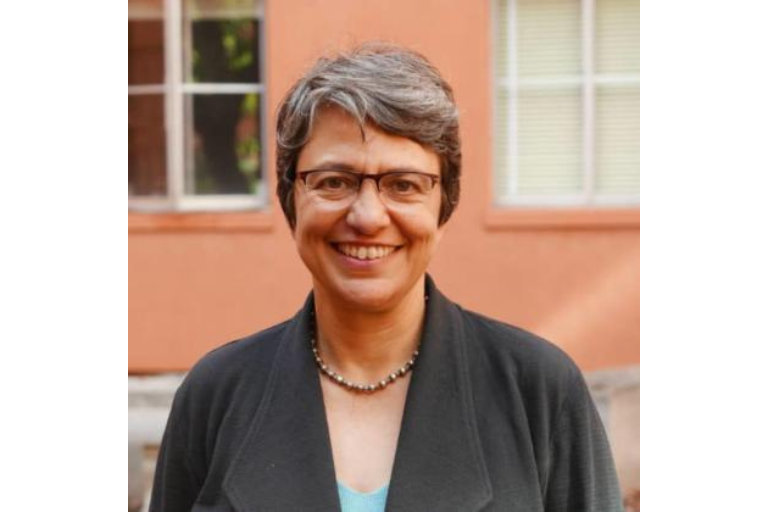
She has held awards and grants from the DAAD, the Economic and Social Sciences Research Council (ESRC) in the UK, the Institute for European Studies, the Institute for International Studies, the Townsend Center for the Humanities, the Center for Middle Eastern Studies, and Digital Humanities at Berkeley. She has been an invited fellow at the Institute for Advanced Study Konstanz and the Center for Cinepoetics at the Freie Universität Berlin
On campus, she holds affiliations with the Department of Film and Media, the Berkeley Center for New Media, Digital Humanities, the Center for Middle Eastern Studies, the Center for Race and Gender, the Department of Gender and Women’s Studies, and the Program in Critical Theory. She has participated in cross-campus collaborations on “Cultural Forms in Transit” and a strategic working group on “Circulation.” She is co-founder and concept coordinator of TRANSIT, the electronic journal launched by the Berkeley German Department in September 2005, and coordinator of the Multicultural Germany Project.