
2023: Hannah Ahlheim: “Die Vermessung des Schlafs und das Zeitregime der Moderne” / “The Measurement of Sleep and the Time Regime of Modernity”
Hannah Ahlheim, “Die Vermessung des Schlafs und das Zeitregime der Moderne” / “The Measurement of Sleep and the Time Regime of Modernity”
Humboldt University Berlin Mosse Lecture
mosselectures.wisc.edu/berlin/
Thursday, 30 November 2023, 19:15 CET
In the Media:
Ahlheim’s lecture featured in the Hörssal-Podcast of Deutschlandfunk Nova (Moderation by Katrin Ohlendorf): Innere Uhr: Die Vermessung des Schlafs
This lecture series was covered by Torsten Flüh for night Night Out @ Berlin.
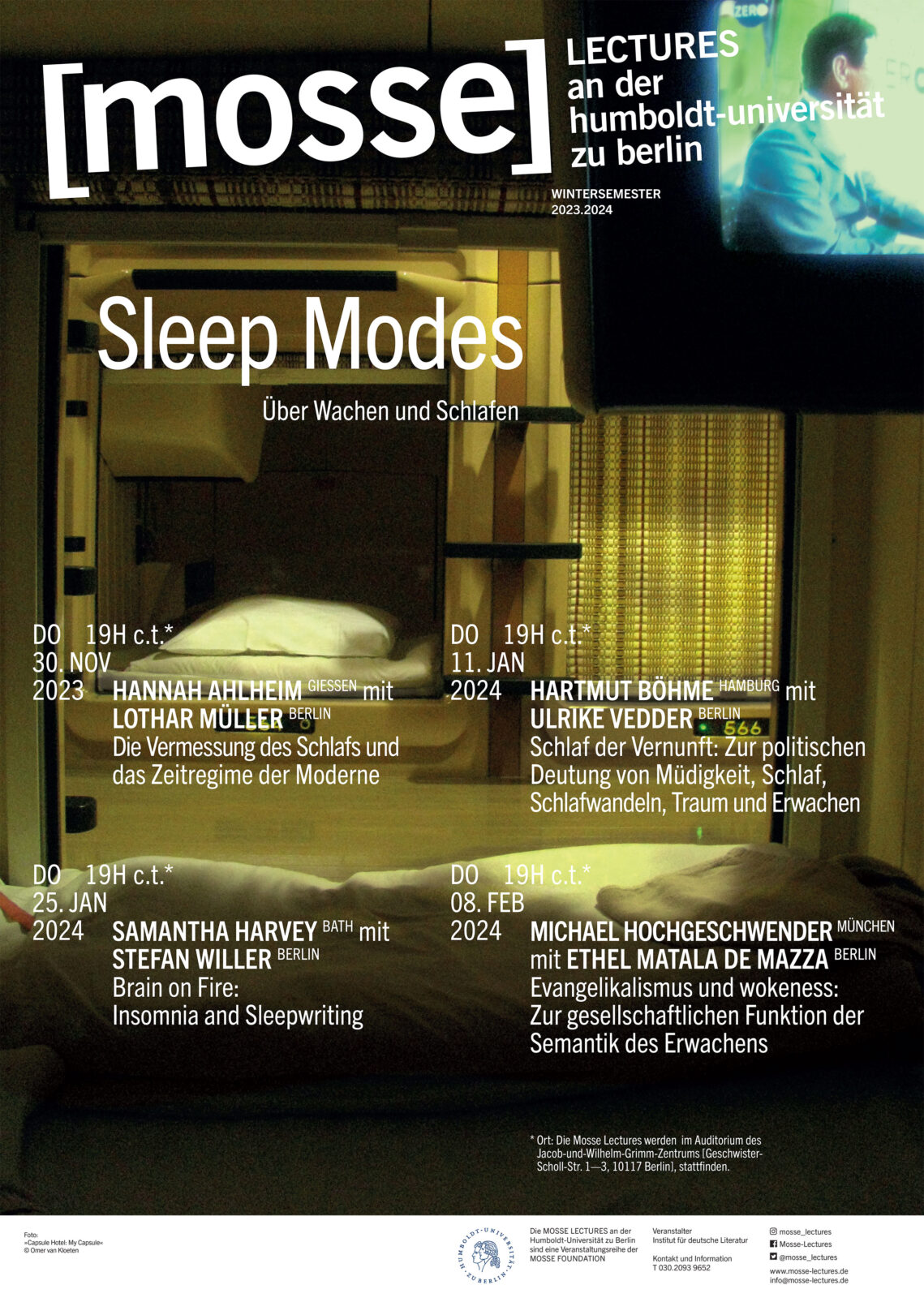
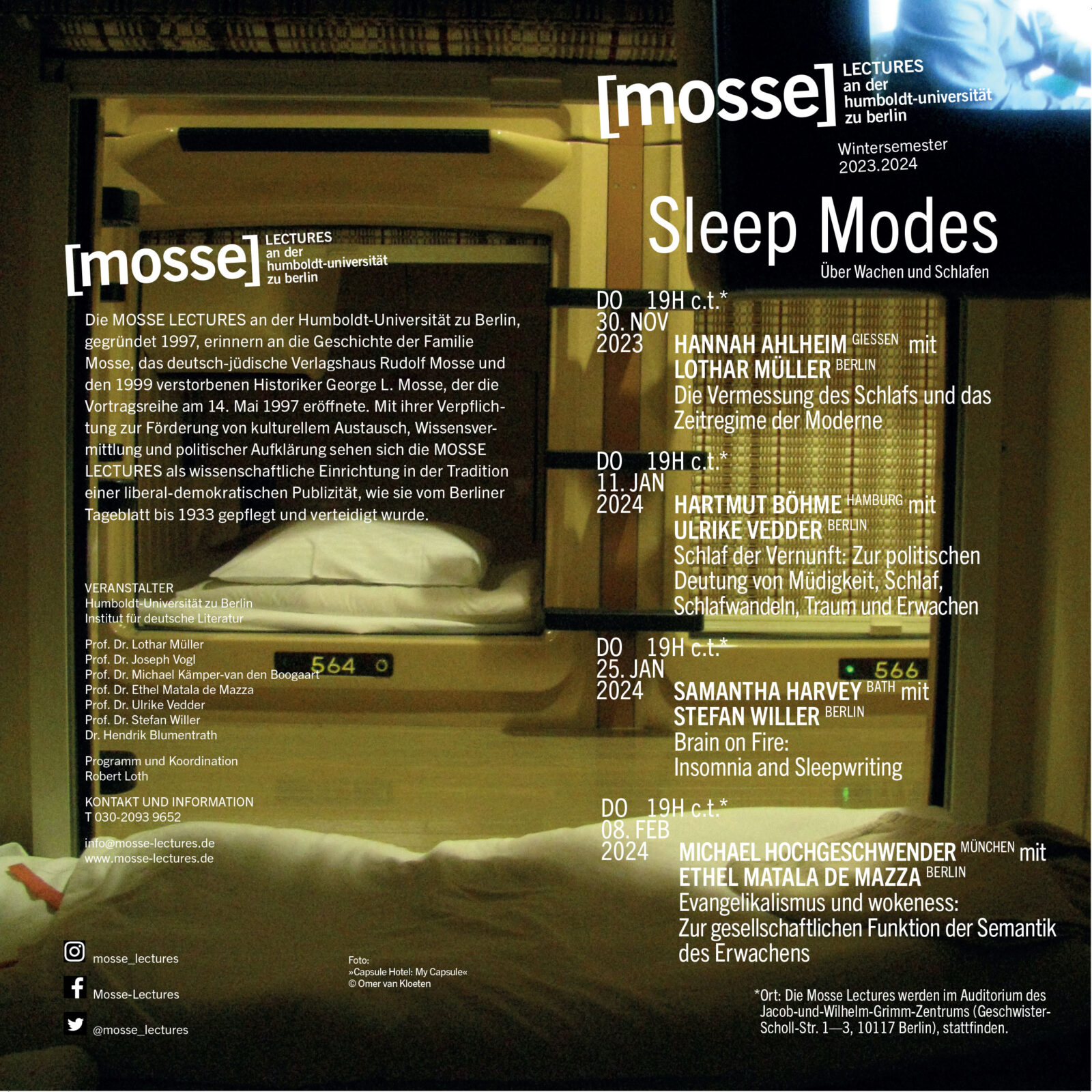
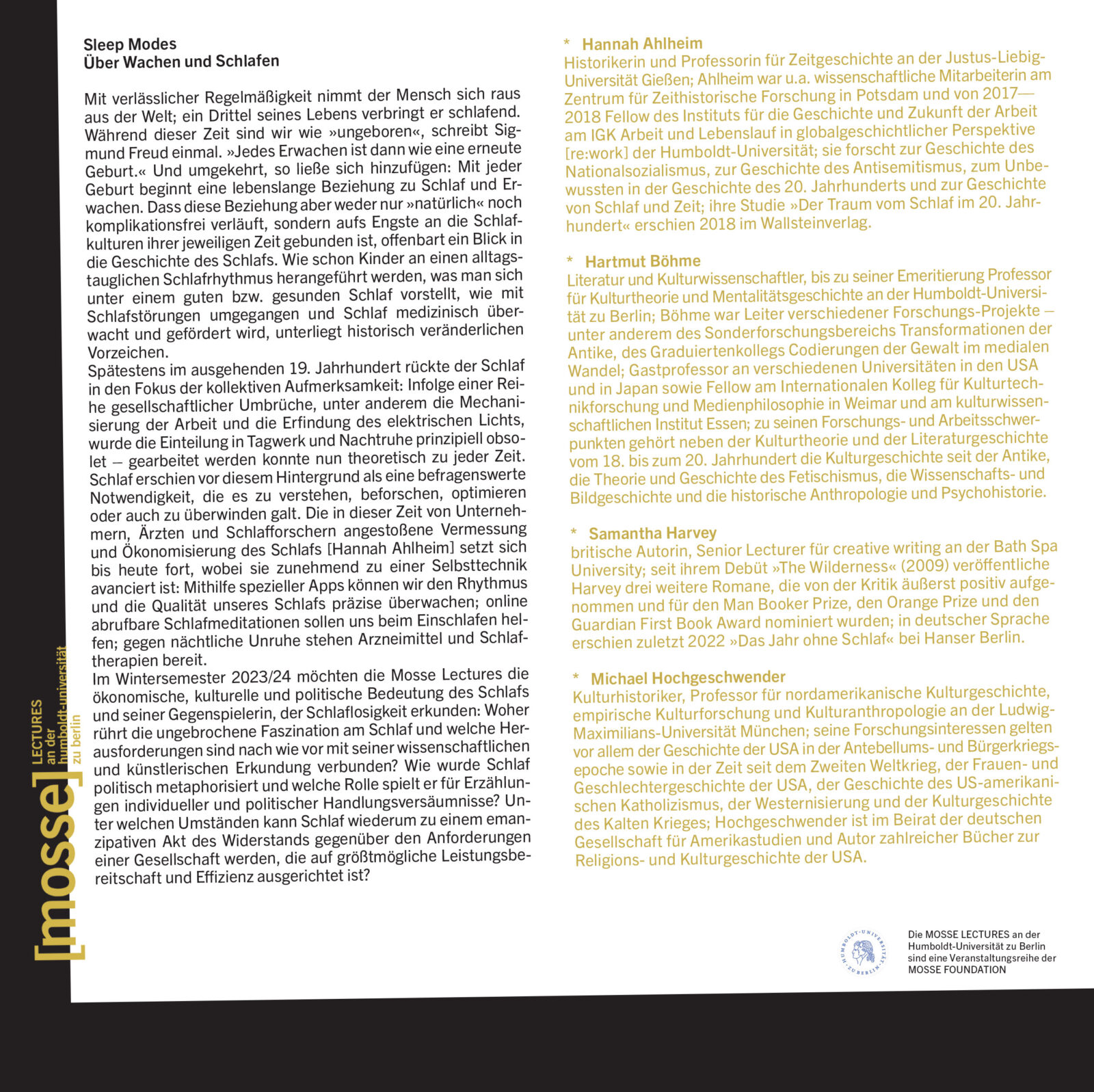
Auditorium of the Jacob-und-Wilhelm-Grimm-Zentrum
Geschwister-Scholl-Str. 1-3
10117 Berlin
GERMANY
Sponsored by:
[mosse] LECTURES an der humboldt-universität zu berlin
The Mosse Foundation
Global Mosse Lecture Series
Institut für deutsche Literatur
Humboldt University
Moderator: Lothar Müller (Humboldt University)
Lecture Description: Der Mensch verschläft ein Drittel seines Lebens – und damit verbringt er einen großen Teil seiner Zeit unproduktiv und ohne Bewusstsein. Schlaf sperrt sich gegen Ausbeutung und Kontrolle. Wie geht eine moderne Gesellschaft, in der Rationalität und effiziente Zeitnutzung eine zentrale Rolle spielen, mit diesem widerspenstigen Phänomen um? Wie hat sich unser Verhältnis zum Schlaf durch Industrialisierung, Urbanisierung und Globalisierung, durch neue Lichtquellen, dauerwache technische Geräte und wissenschaftliche Vermessung verändert? Was erfahren wir über das Funktionieren einer Gesellschaft, wenn wir ihren Schlaf erforschen?
Der Vortrag begleitet Soldaten, DJs und Piloten, Schlafforscher:innen und Schlafende durch ihre Nächte. Dabei zeigt er auf, wie sich das Verständnis des schlafenden und träumenden Menschen im Laufe des »langen 20. Jahrhunderts« veränderte und der Schlaf auf unterschiedliche Weise zu einer wertvollen „Ressource“ wurde.
Humans are sleeping through a third of their lives – and thus spend a large part of their time unproductively and without consciousness. Sleep resists exploitation and control. How does a modern society, in which rationality and efficient use of time play a central role, deal with this unruly phenomenon? How has our relationship to sleep changed through industrialization, urbanization, and globalization, through new sources of light, permanently awake technical devices, and scientific measurement? What do we learn about the functioning of a society by exploring its sleep?
The lecture accompanies soldiers, DJs and pilots, sleep researchers and sleepers through their nights. It shows how the understanding of man’s sleeping and dreaming changed in the course of the “long 20th century” and how sleep became a valuable “resource” in different ways.
Lecture Series Theme: Sleep Modes. Über Wachen und Schlafen./Sleep Modes. On Waking and Sleeping.
Lecture Series Description: With reliable regularity, humans take themselves out of the world; they spend a third of their lives asleep. During this time, we are like “unborn,” Sigmund Freud once wrote. “Every awakening is then like a new birth.” And vice versa, it might be added: With each birth begins a lifelong relationship with sleep and awakening. A look into the history of sleep reveals that this relationship is neither “natural” nor free of complications, but is closely related to the sleep cultures of their times. How children are introduced to a sleep rhythm suitable for everyday life; what is imagined by good or healthy sleep; how sleep disorders are dealt with, and how sleep is medically monitored and promoted, has varied historically.
Since the late 19th century, sleep has become the focus of collective attention. Developments such as the mechanization of work and the invention of electric light abolished the traditional division into daytime work and nighttime rest – work could now theoretically be done at any time. In this context, sleep appeared to be a questionable necessity that needed to be understood, researched, optimized or even overcome. The surveying and economization of sleep initiated at this time by entrepreneurs, doctors and sleep researchers continues to this day and has increasingly become a self-technique: with the help of special apps, we can precisely monitor the rhythm and quality of our sleep; sleep meditations are designed to help us fall asleep; medicines and sleep therapies are available for nocturnal restlessness.
In the winter term 2023/24, the Mosse Lectures will explore the economic, cultural, and political significance of sleep and its counterpart, insomnia: Where does the unbroken fascination with sleep stem from, and what challenges are still associated with its scientific and artistic exploration? How has sleep been politically metaphorized and what role does it play in narratives of individual and political passivity? Under which circumstances can sleep become an emancipatory act of resistance to the demands of a society focused on maximizing performance and efficiency?
Mit verlässlicher Regelmäßigkeit nimmt der Mensch sich raus aus der Welt; ein Drittel seines Lebens verbringt er schlafend. Während dieser Zeit sind wir wie „ungeboren“, schreibt Sigmund Freud einmal. „Jedes Erwachen ist dann wie eine erneute Geburt.“ Und umgekehrt, so ließe sich hinzufügen: Mit jeder Geburt beginnt eine lebenslange Beziehung zu Schlaf und Erwachen. Dass diese Beziehung aber weder nur „natürlich“ noch komplikationsfrei verläuft, sondern aufs Engste an die Schlafkulturen ihrer jeweiligen Zeit gebunden ist, offenbart ein Blick in die Geschichte des Schlafs. Wie schon Kinder an einen alltagstauglichen Schlafrhythmus herangeführt werden, was man sich unter einem guten bzw. gesunden Schlaf vorstellt, wie mit Schlafstörungen umgegangen und Schlaf medizinisch überwacht und gefördert wird, unterliegt historisch veränderlichen Vorzeichen.
Spätestens im ausgehenden 19. Jahrhundert rückte der Schlaf in den Fokus der kollektiven Aufmerksamkeit: Infolge einer Reihe gesellschaftlicher Umbrüche, unter anderem die Mechanisierung der Arbeit und die Erfindung des elektrischen Lichts, wurde die Einteilung in Tagwerk und Nachtruhe prinzipiell obsolet – gearbeitet werden konnte nun theoretisch zu jeder Zeit. Schlaf erschien vor diesem Hintergrund als eine befragenswerte Notwendigkeit, die es zu verstehen, beforschen, optimieren oder auch zu überwinden galt. Die in dieser Zeit von Unternehmern, Ärzten und Schlafforschern angestoßene Vermessung und Ökonomisierung des Schlafs (Hannah Ahlheim) setzt sich bis heute fort, wobei sie zunehmend zu einer Selbsttechnik avanciert ist: Mithilfe spezieller Apps können wir den Rhythmus und die Qualität unseres Schlafs präzise überwachen; online abrufbare Schlafmeditationen sollen uns beim Einschlafen helfen; gegen nächtliche Unruhe stehen Arzneimittel und Schlaftherapien bereit.
Im Wintersemester 2023/24 möchten die Mosse Lectures die ökonomische, kulturelle und politische Bedeutung des Schlafs und seiner Gegenspielerin, der Schlaflosigkeit erkunden: Woher rührt die ungebrochene Faszination am Schlaf und welche Herausforderungen sind nach wie vor mit seiner wissenschaftlichen und künstlerischen Erkundung verbunden? Wie wurde Schlaf politisch metaphorisiert und welche Rolle spielt er für Erzählungen individueller und politischer Handlungsversäumnisse? Unter welchen Umständen kann Schlaf wiederum zu einem emanzipativen Akt des Widerstands gegenüber den Anforderungen einer Gesellschaft werden, die auf größtmögliche Leistungsbereitschaft und Effizienz ausgerichtet ist?
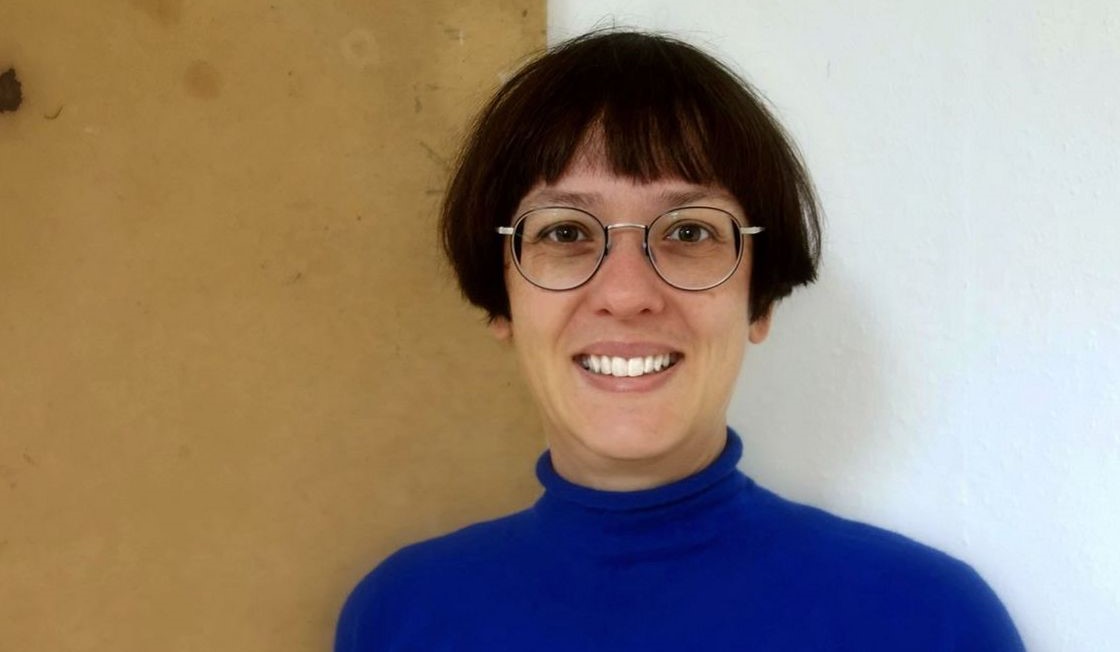
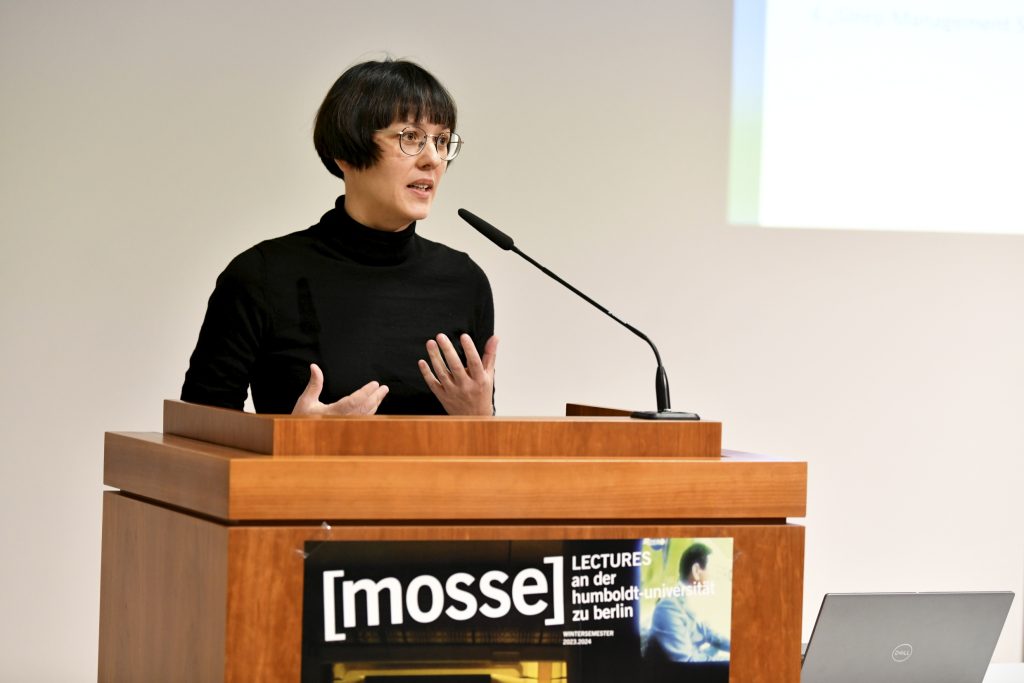
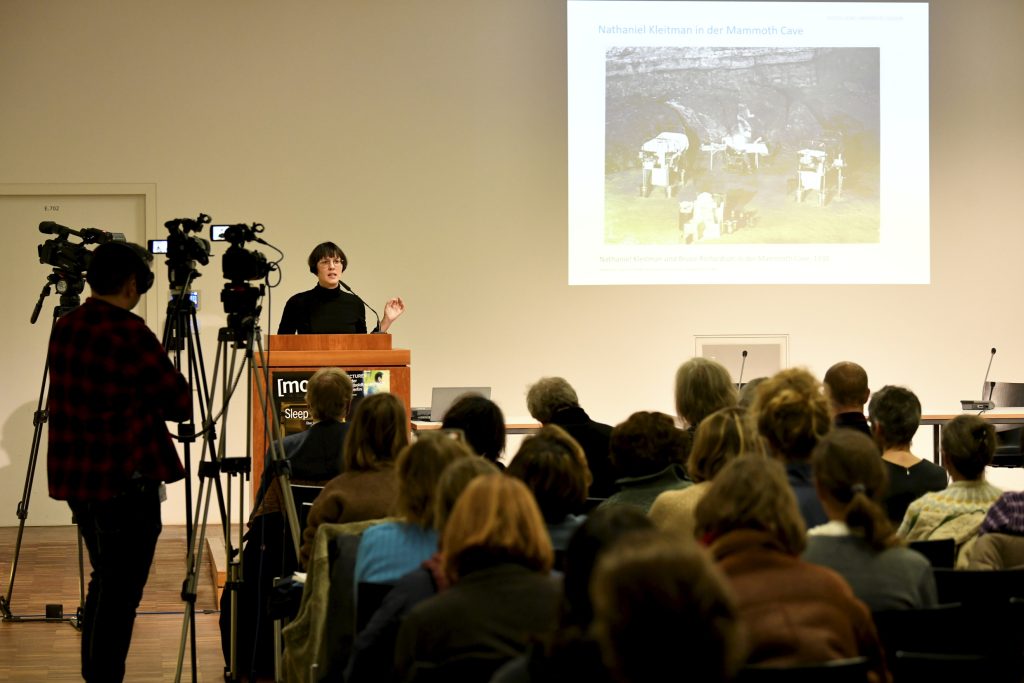
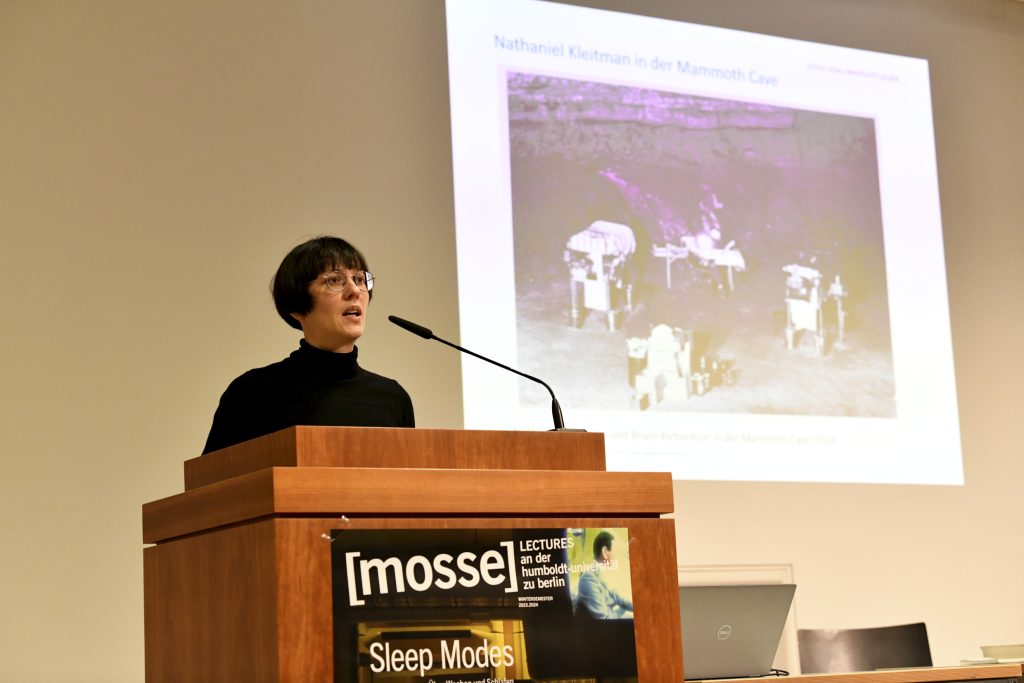
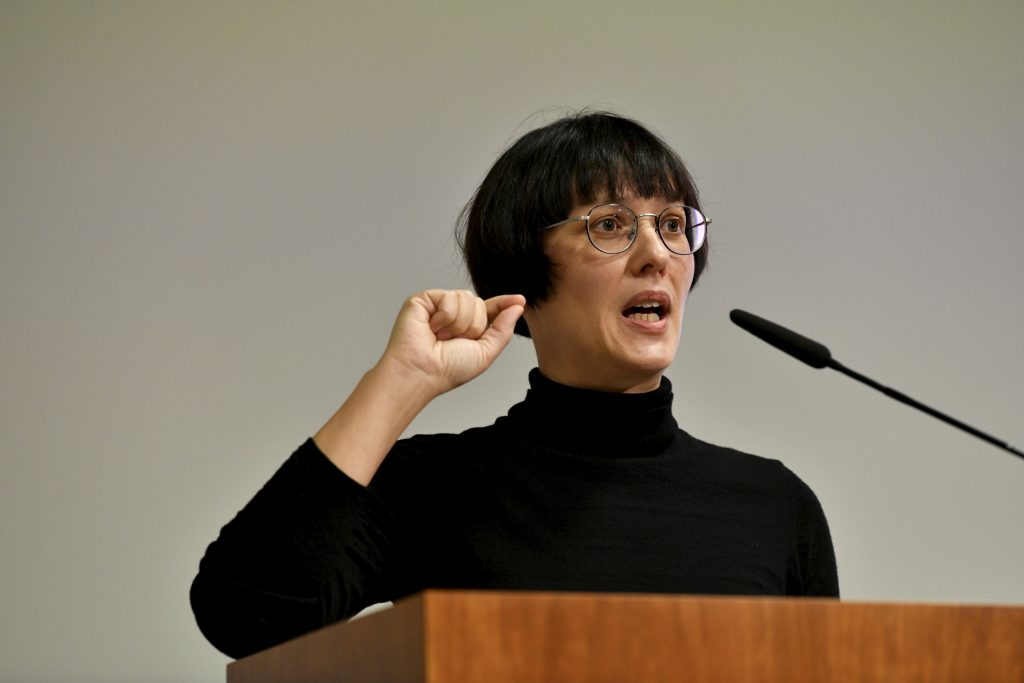
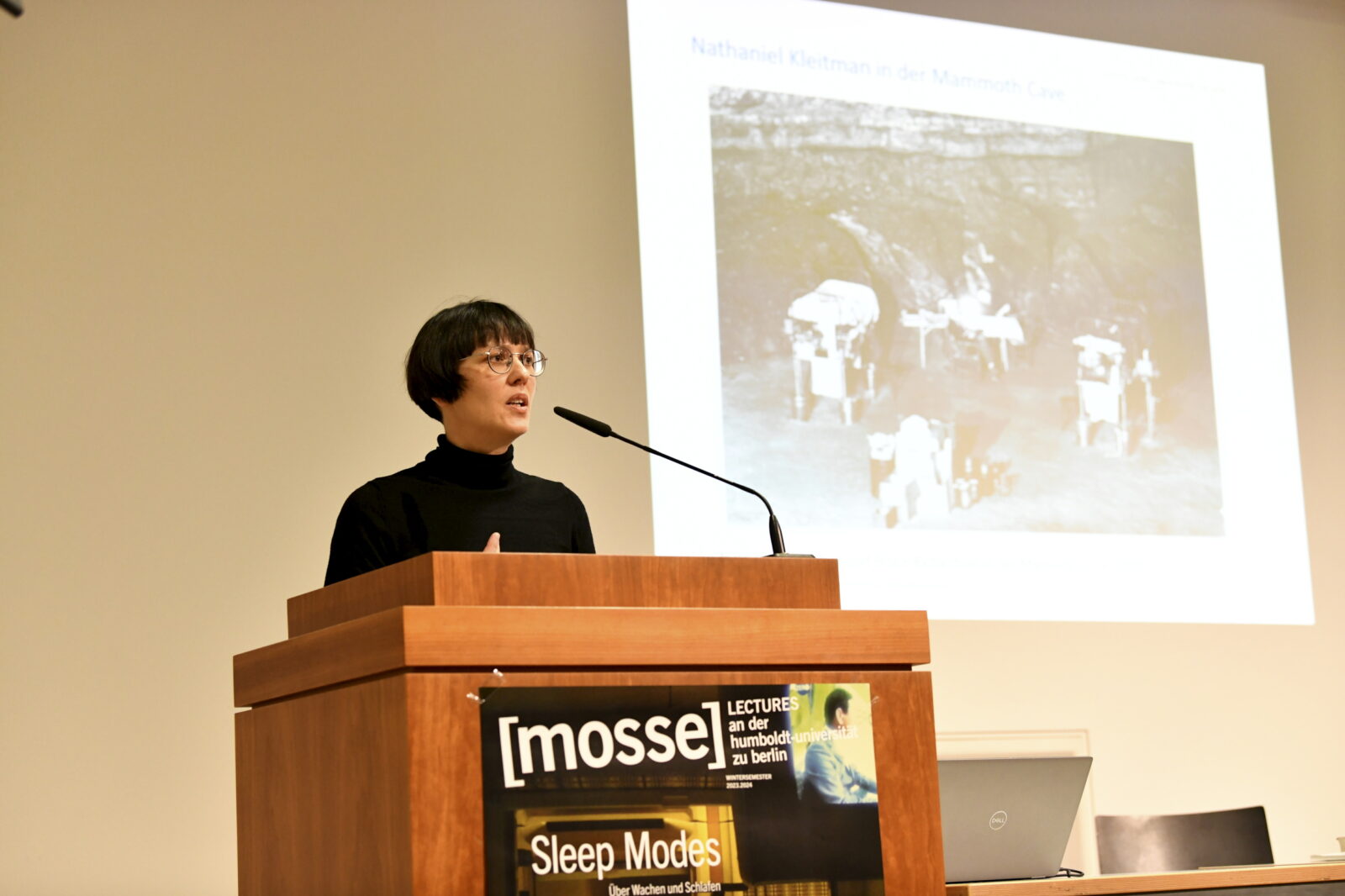
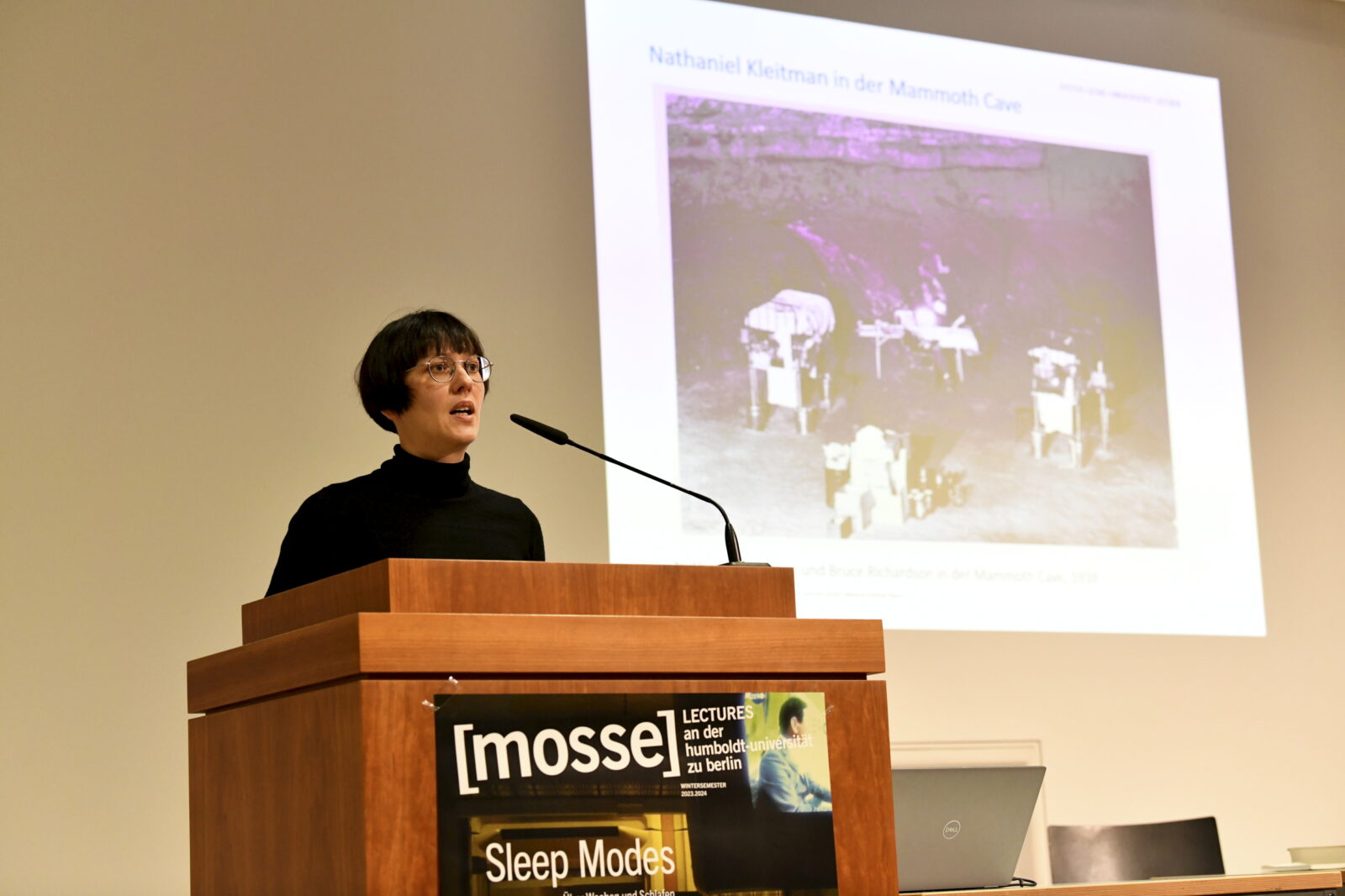
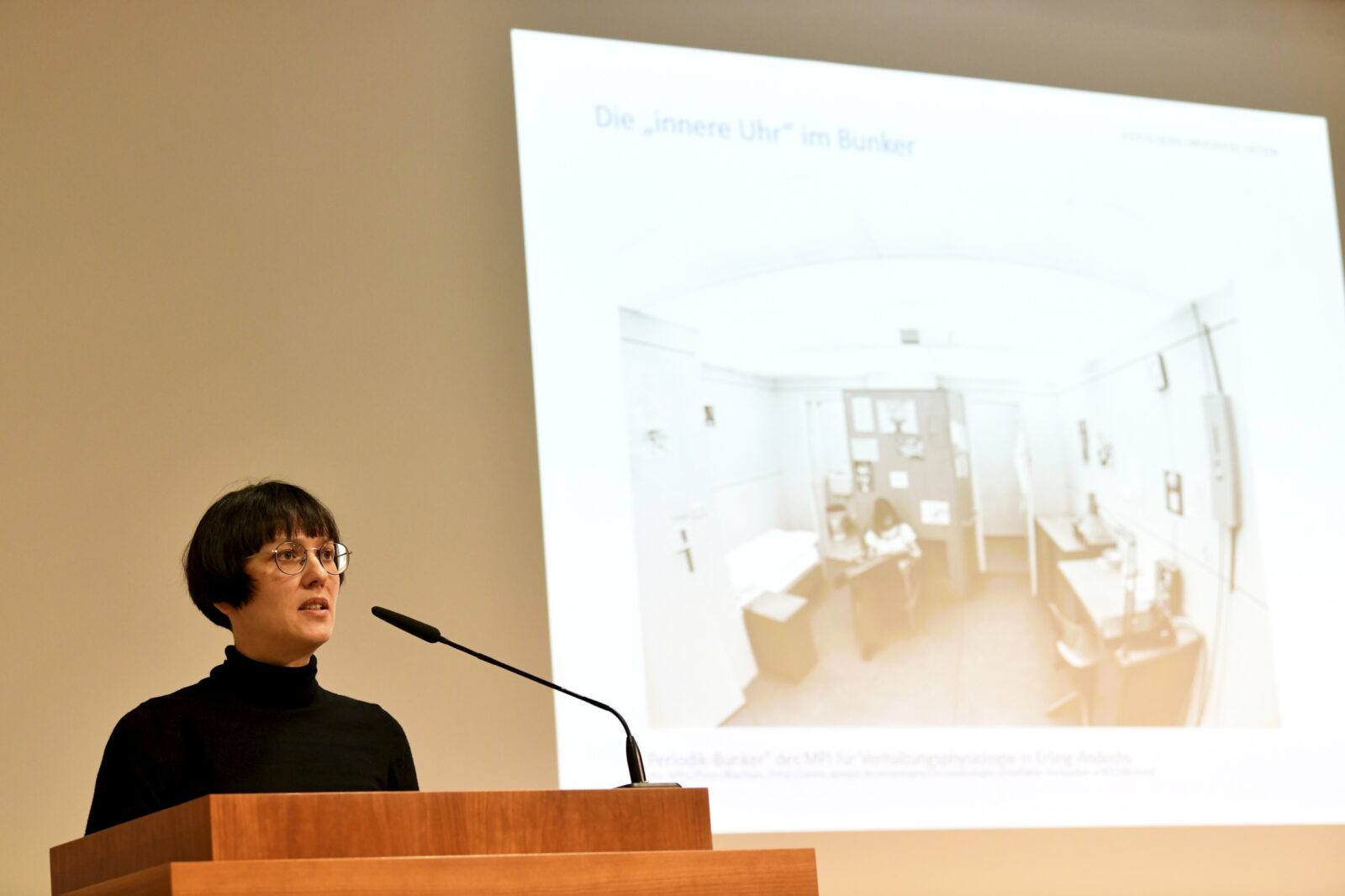
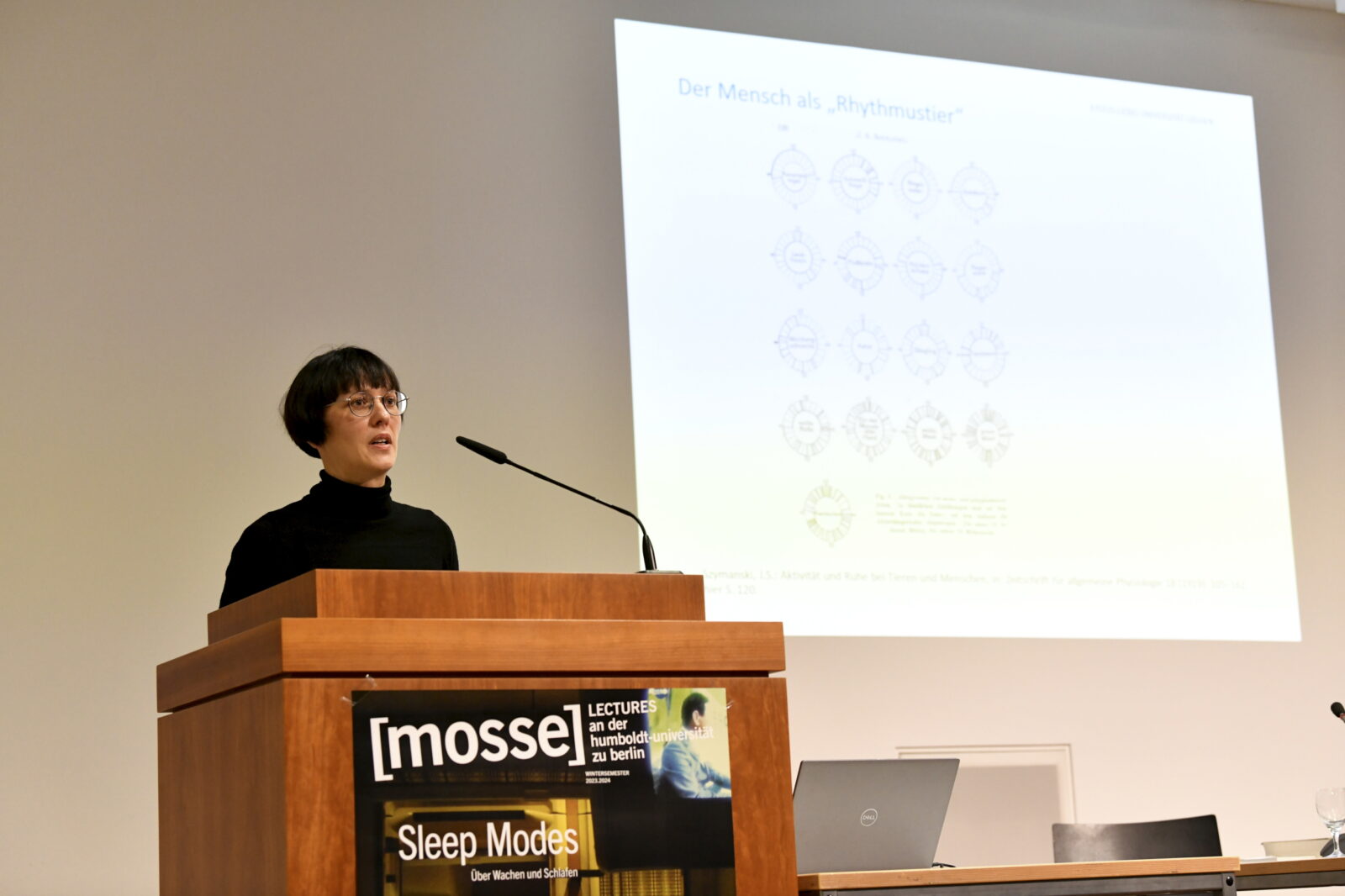
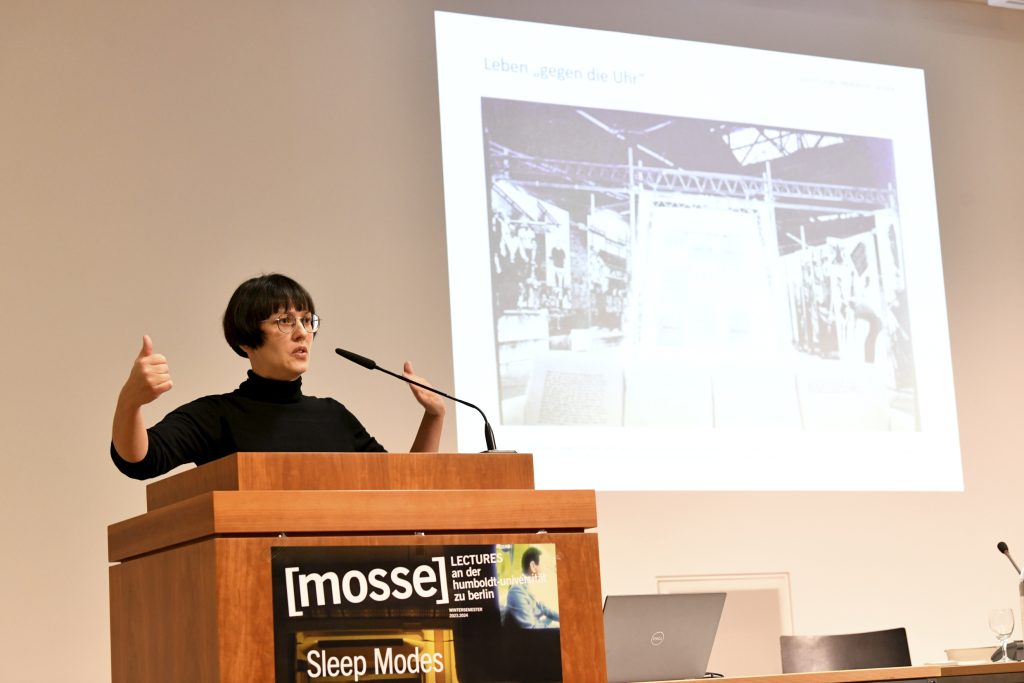
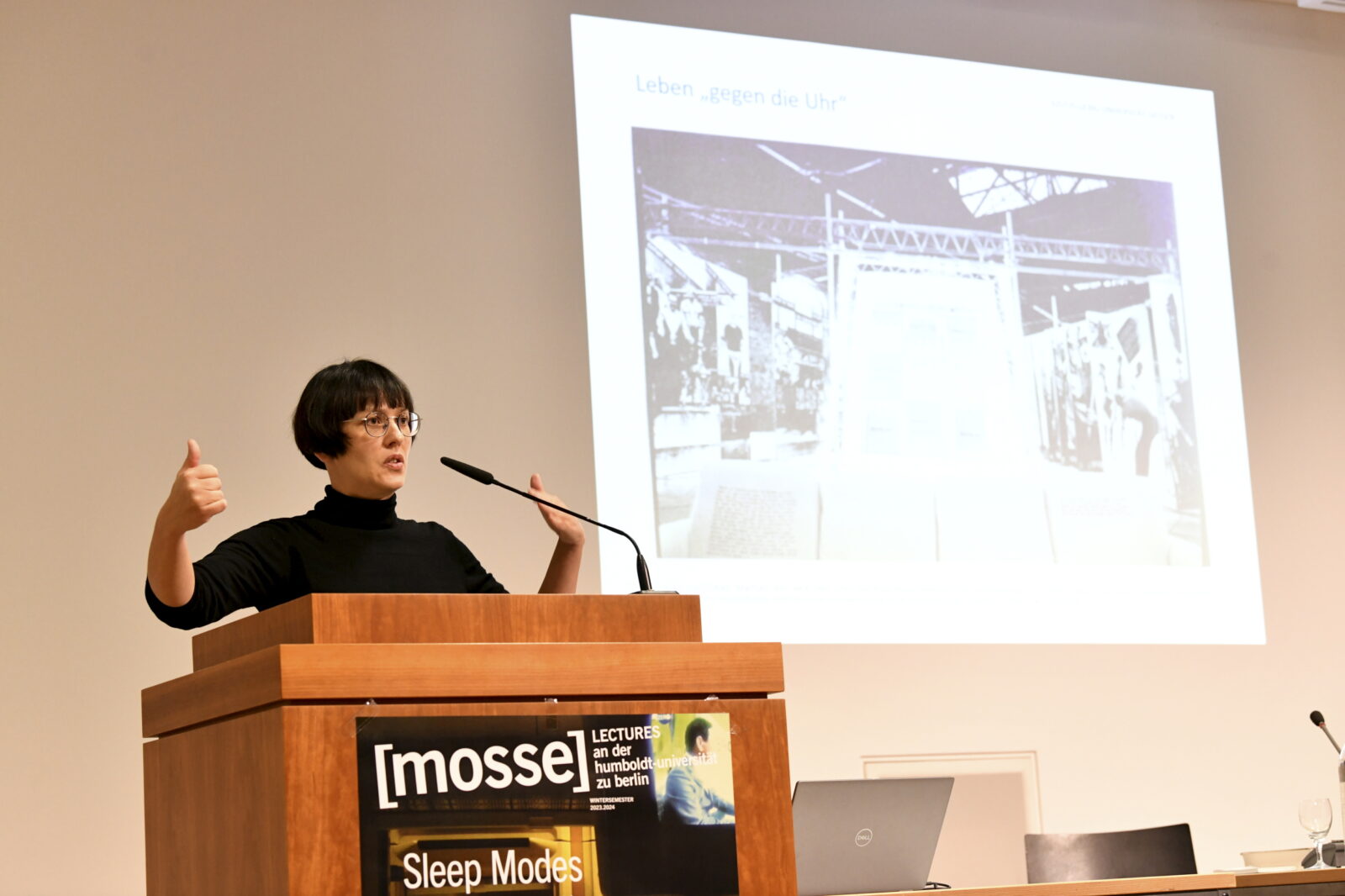
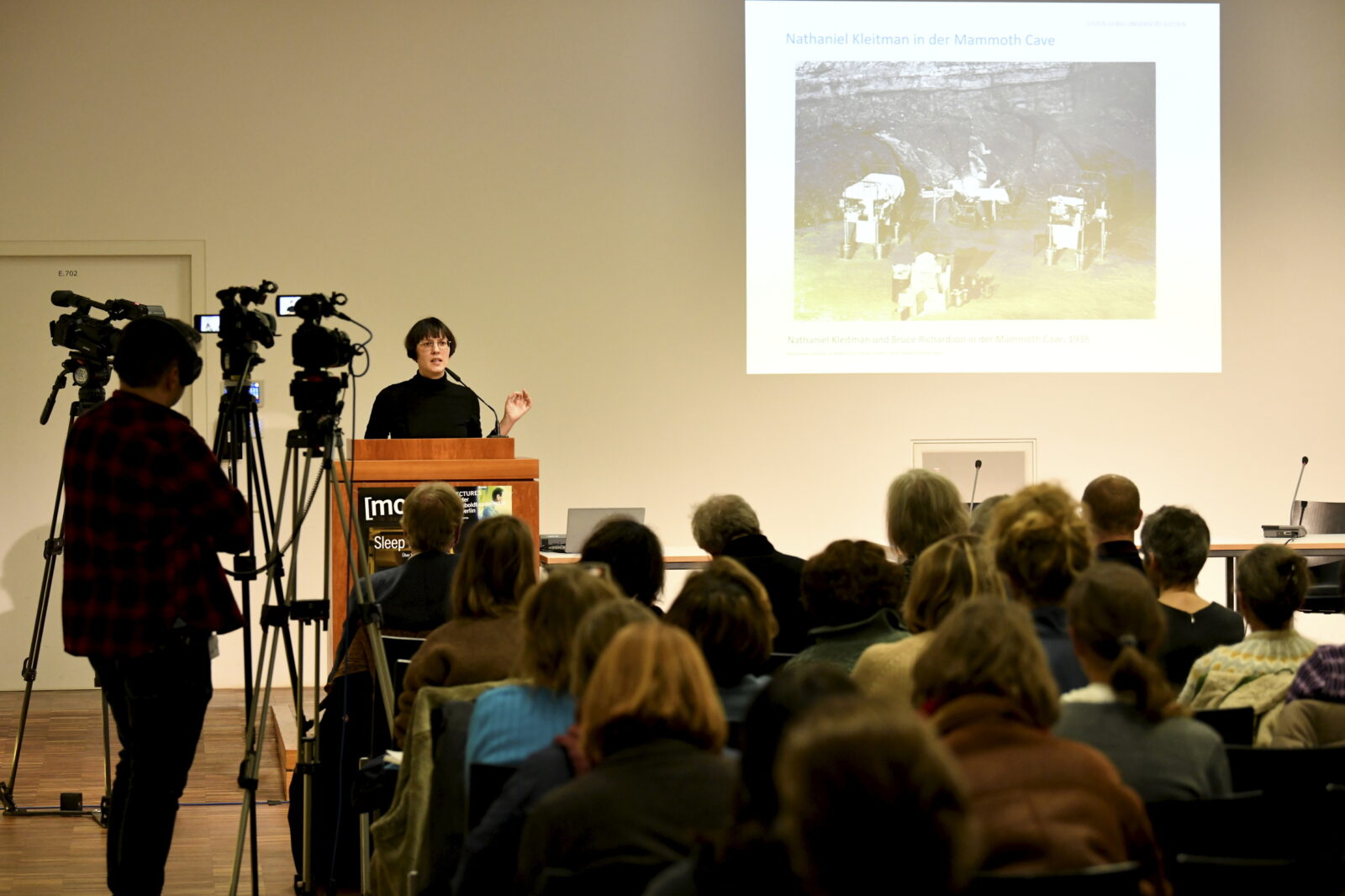
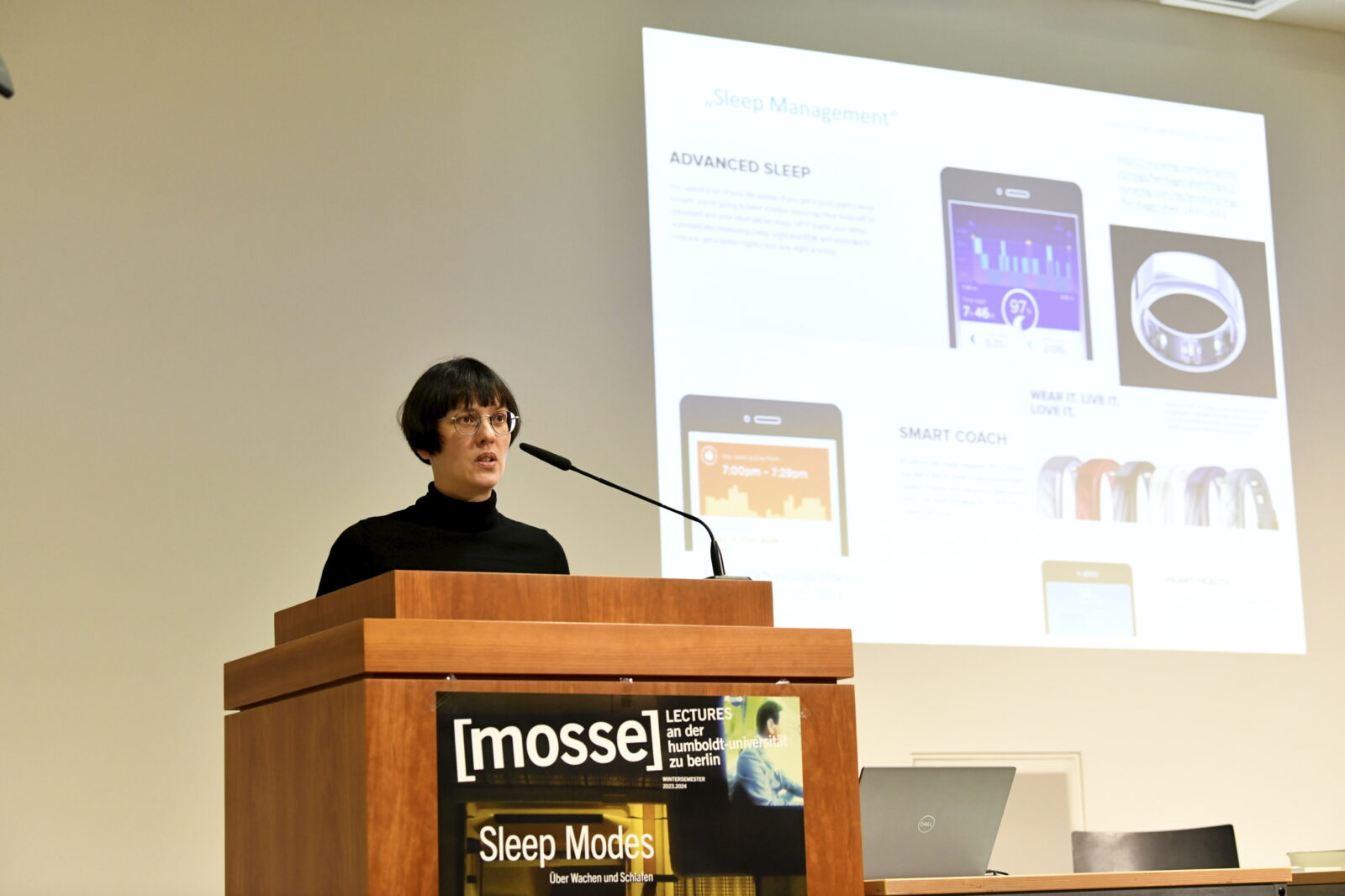
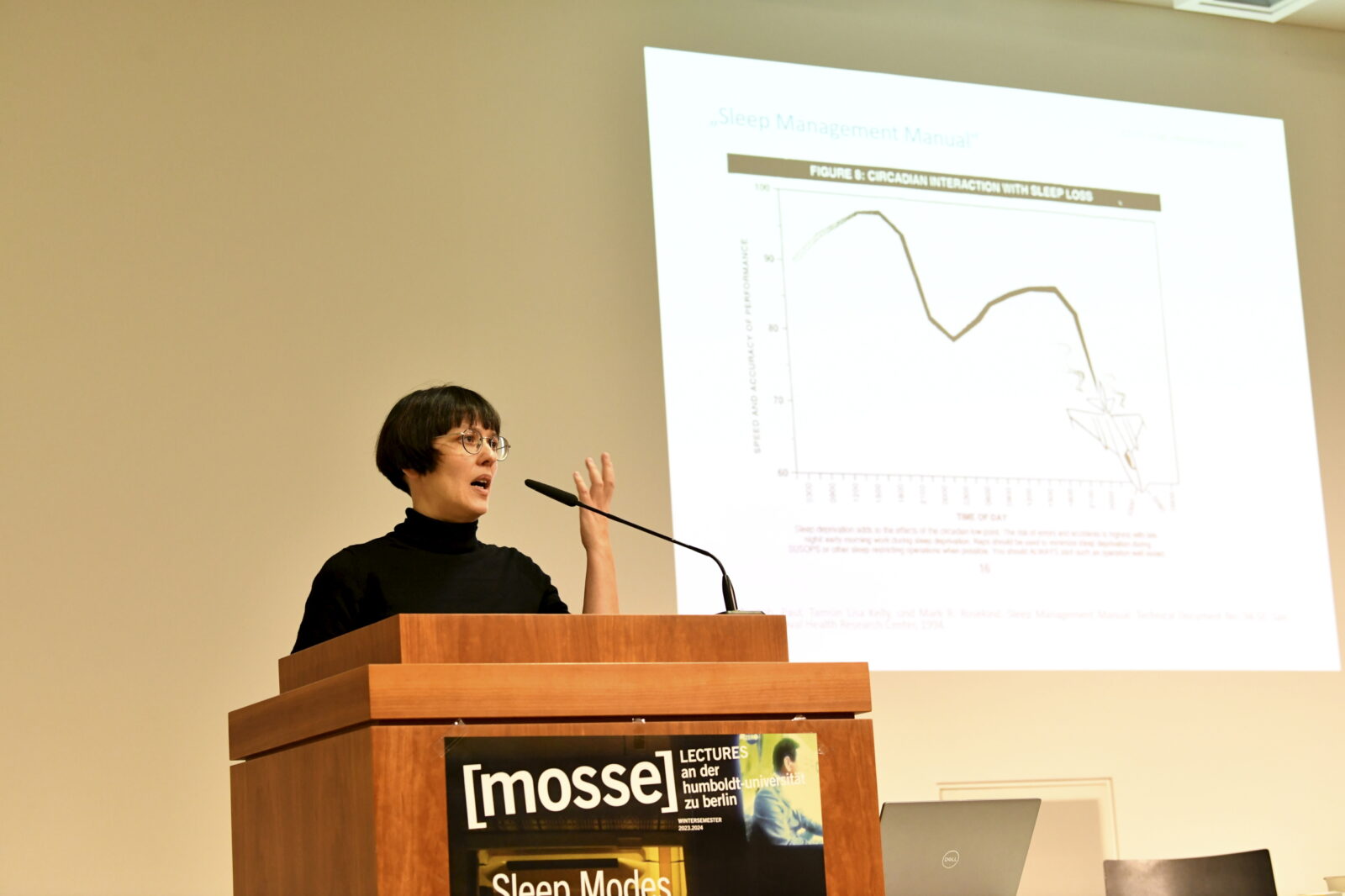
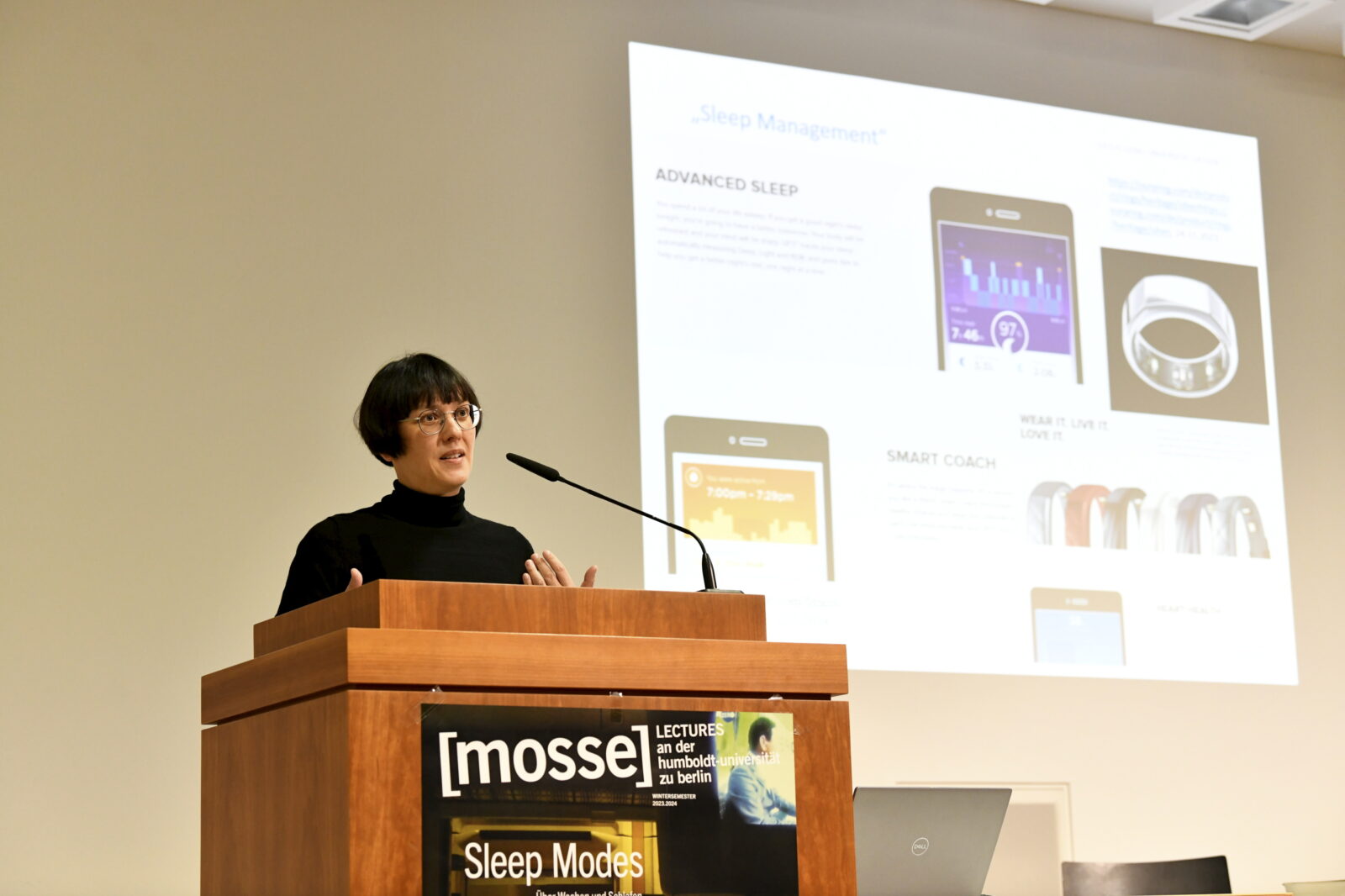
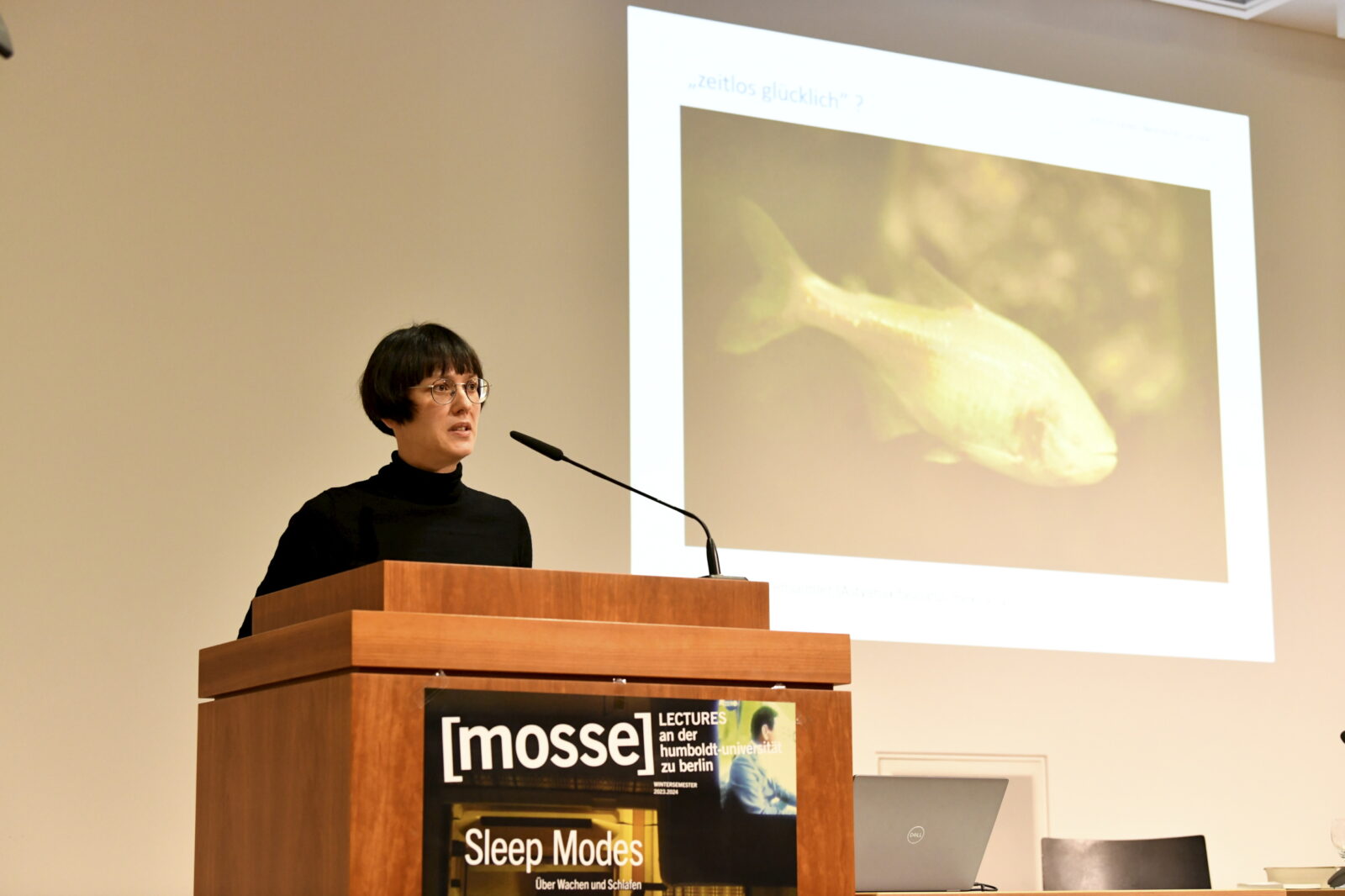
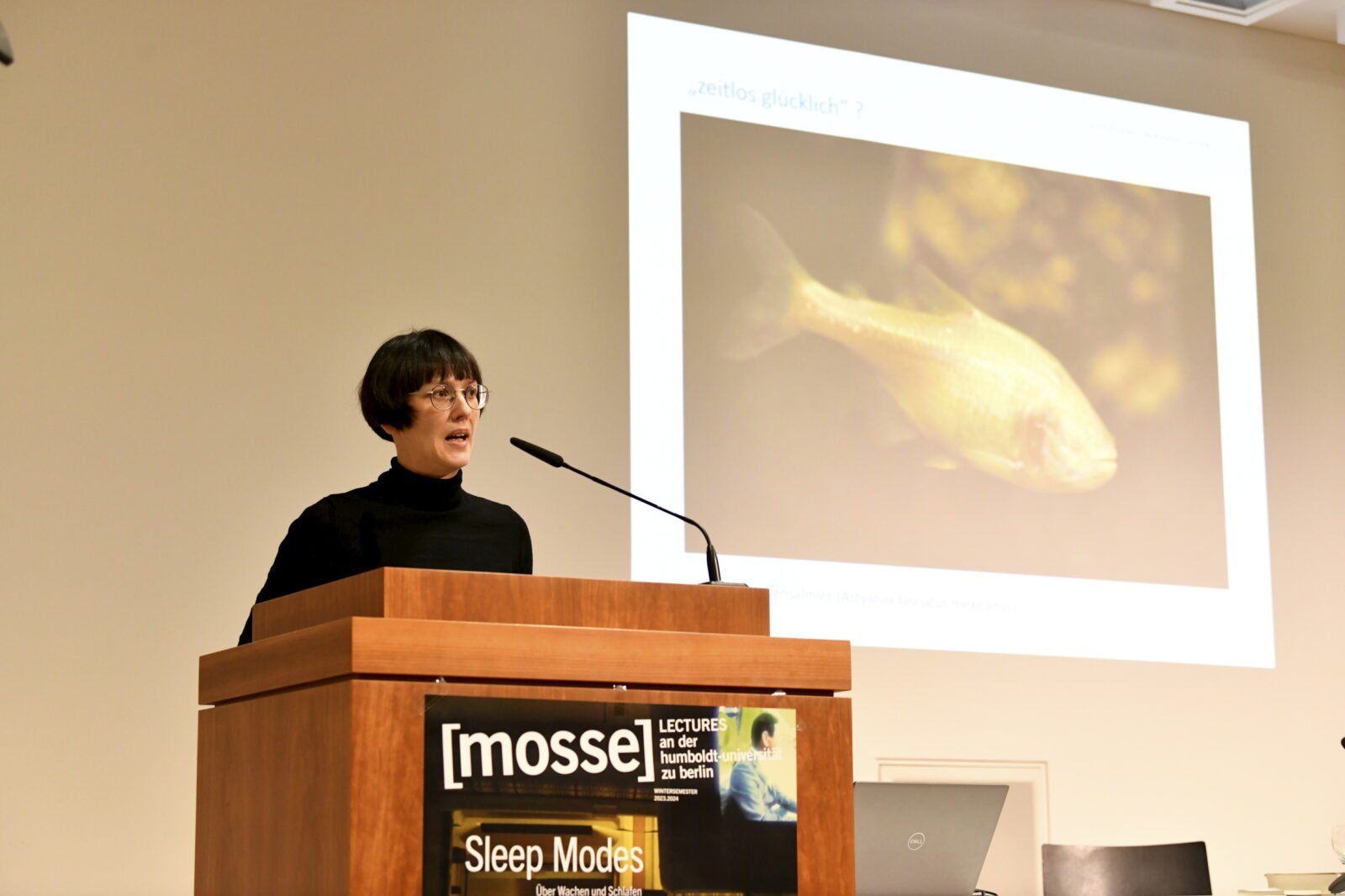
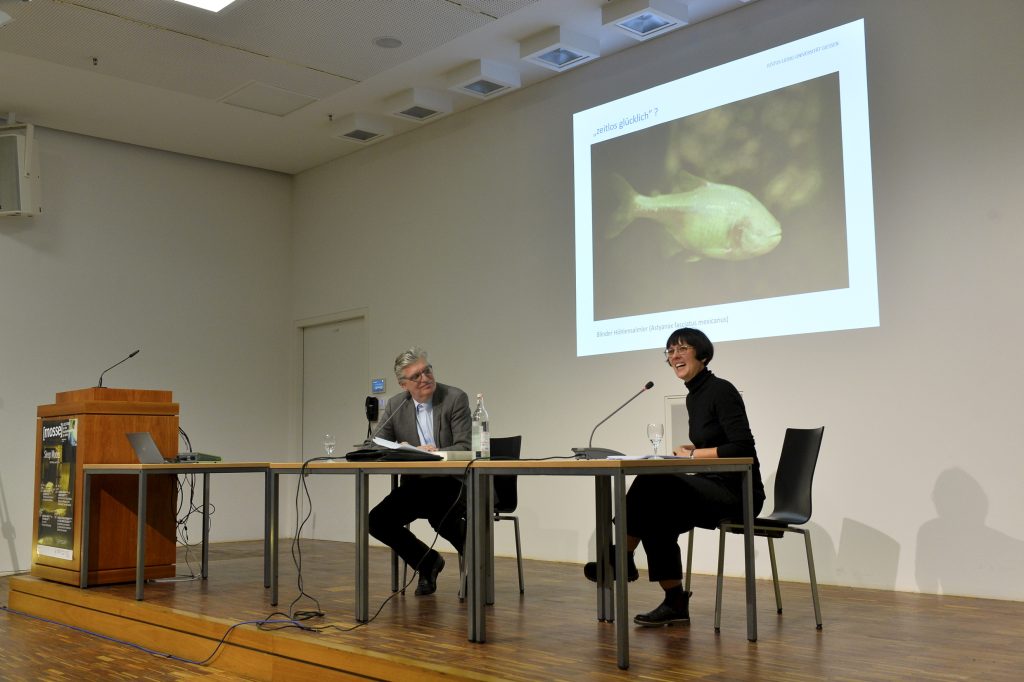
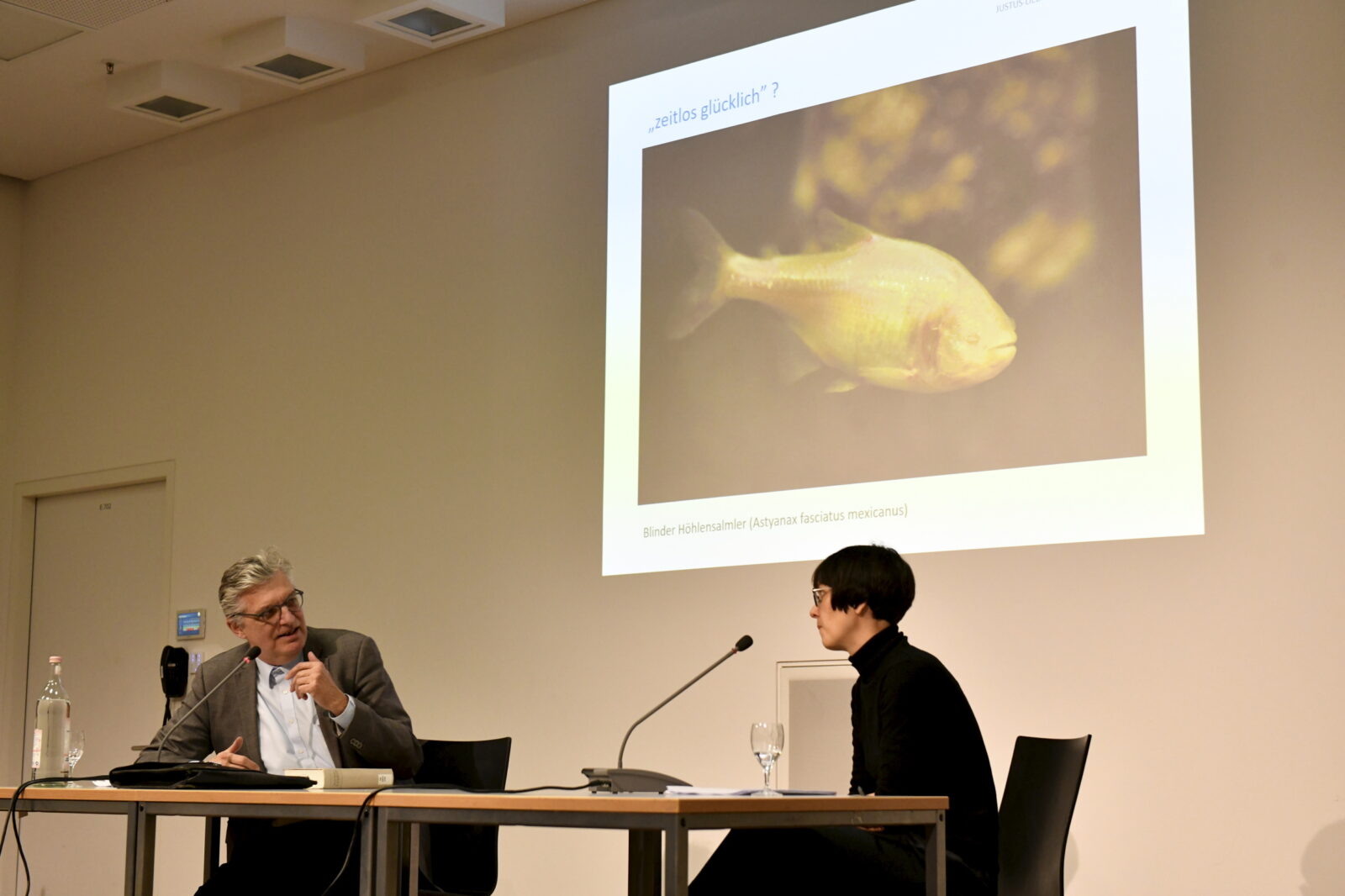
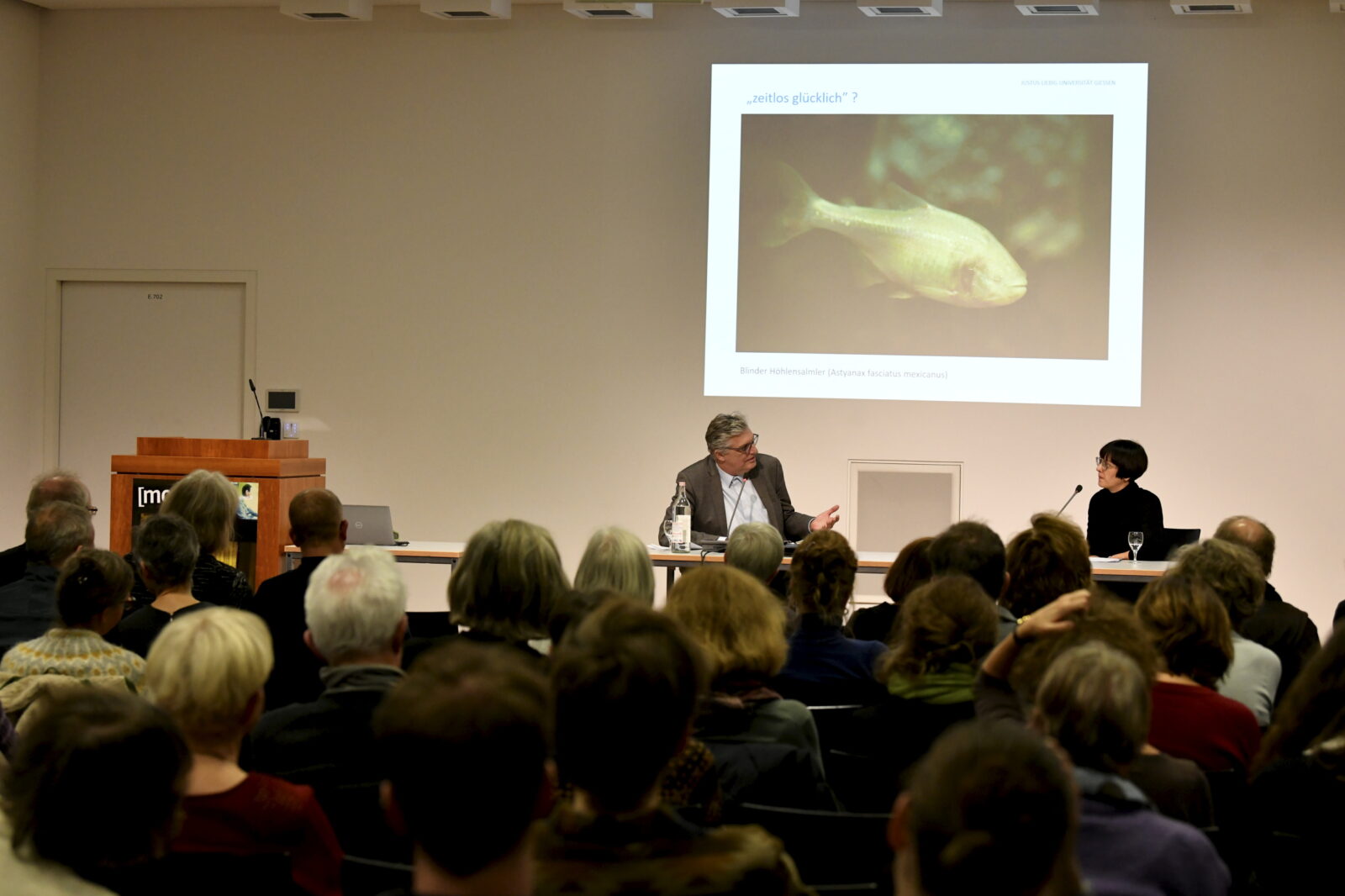
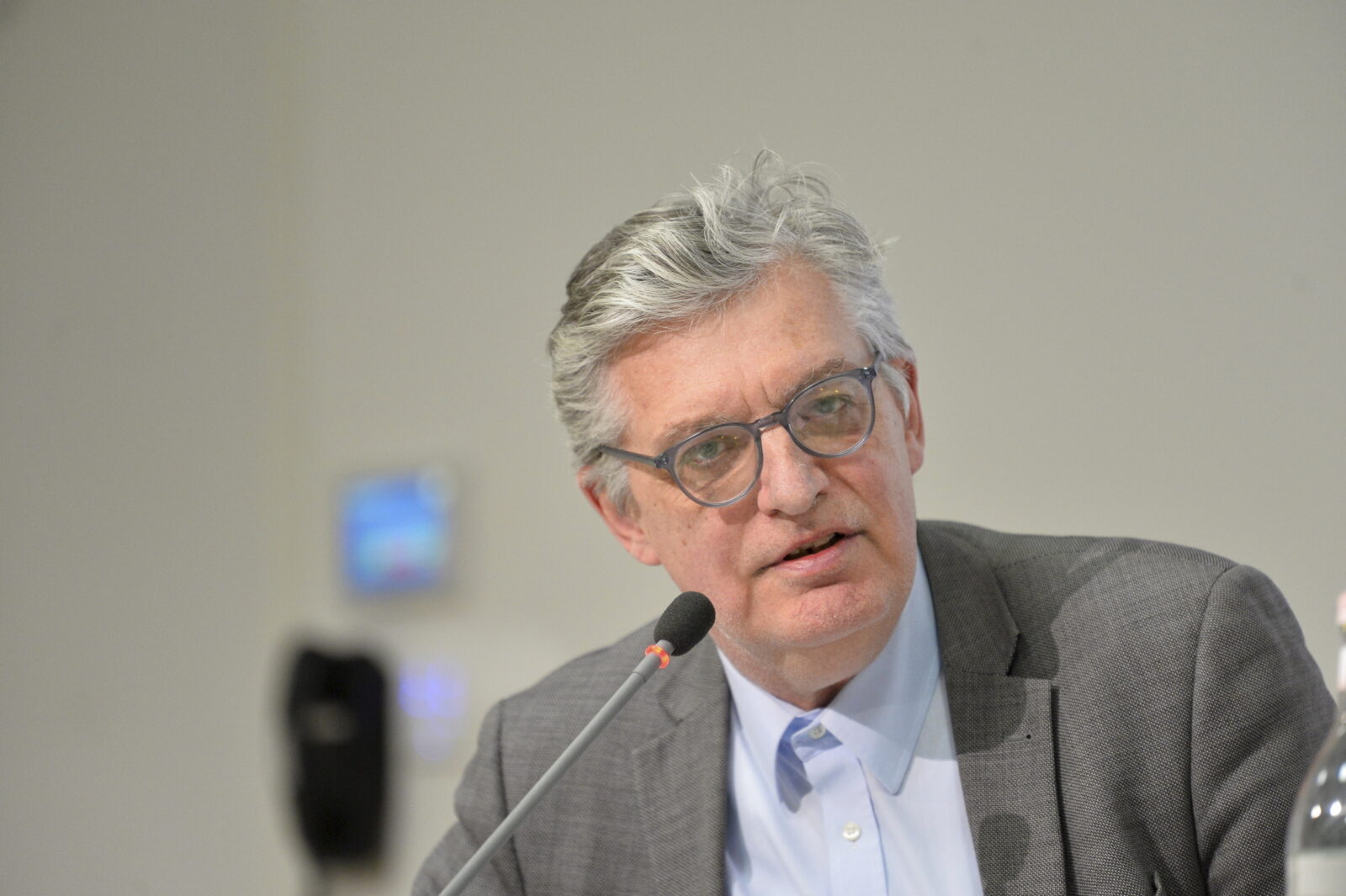
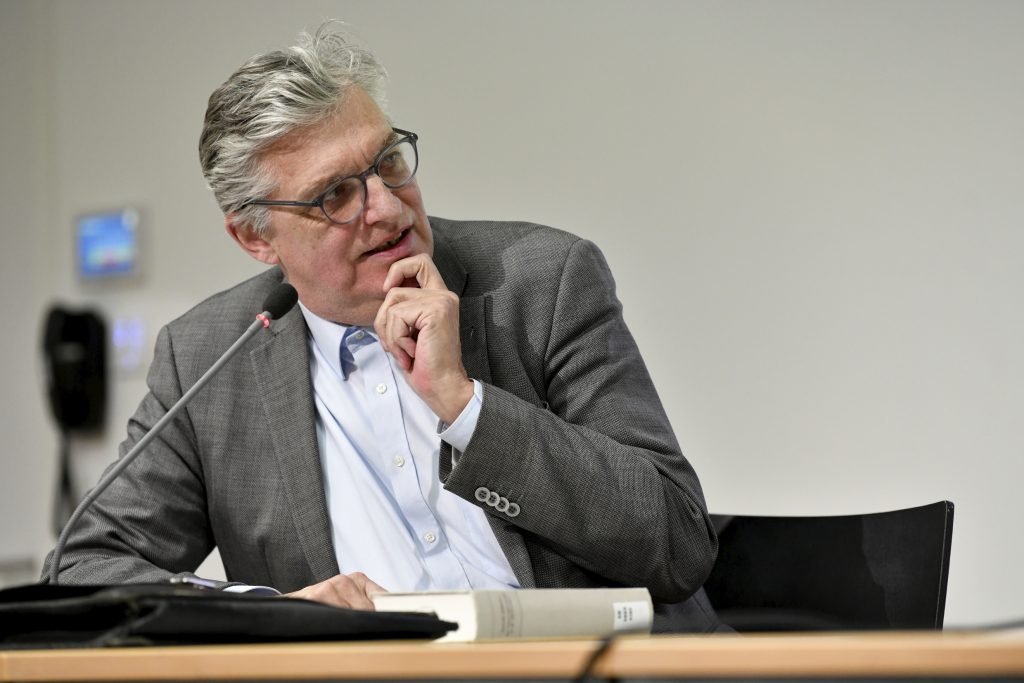
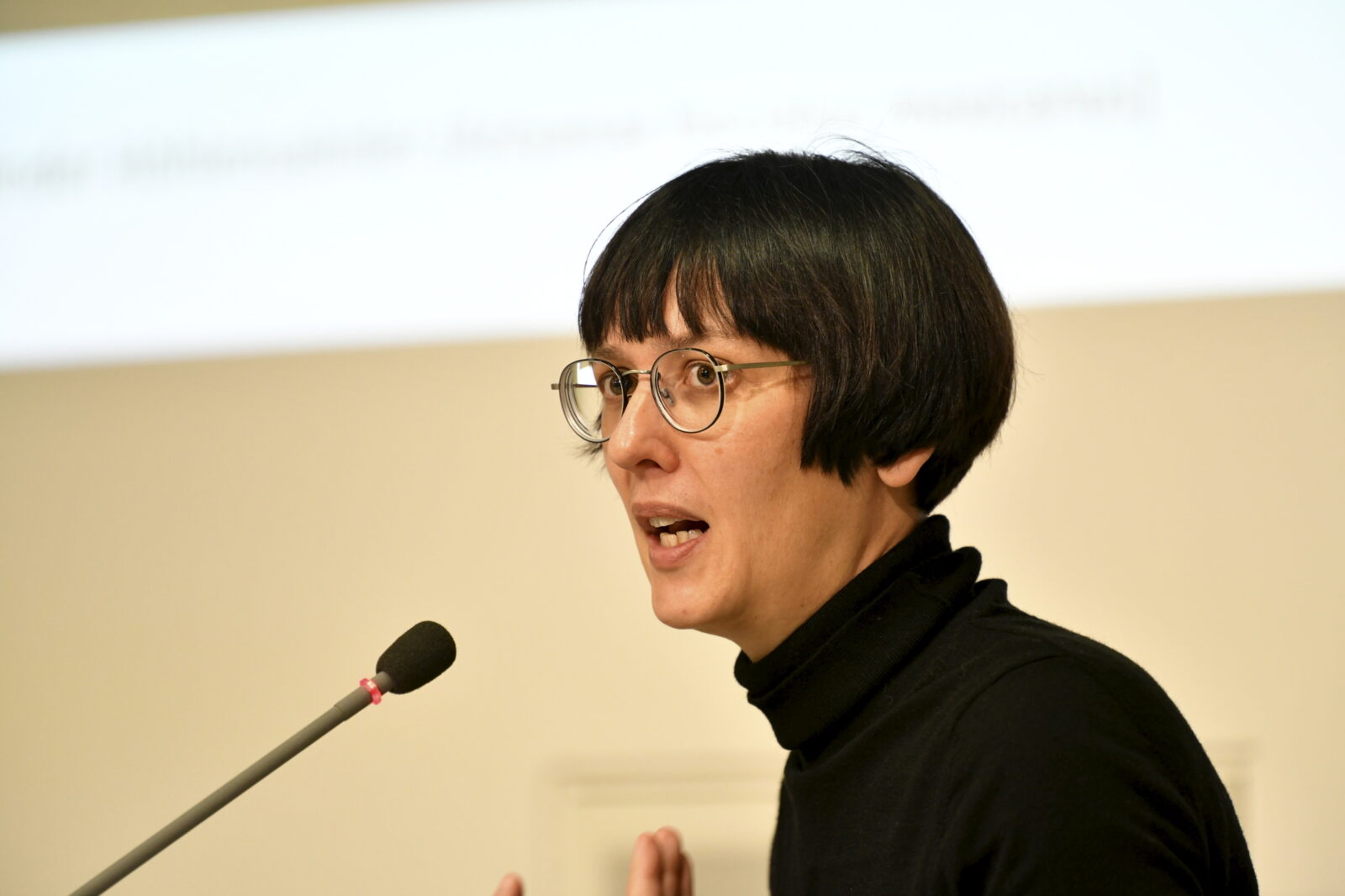
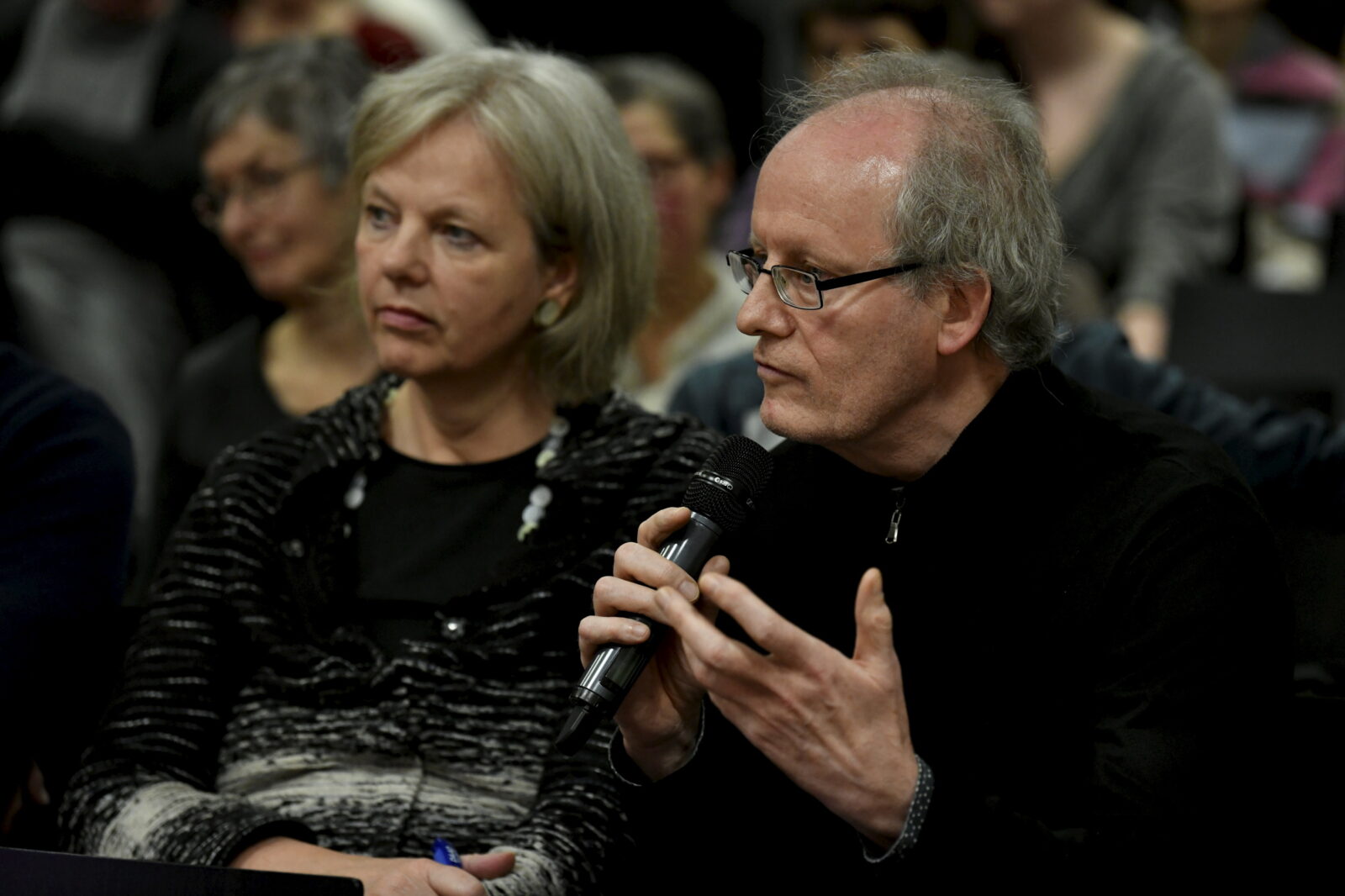
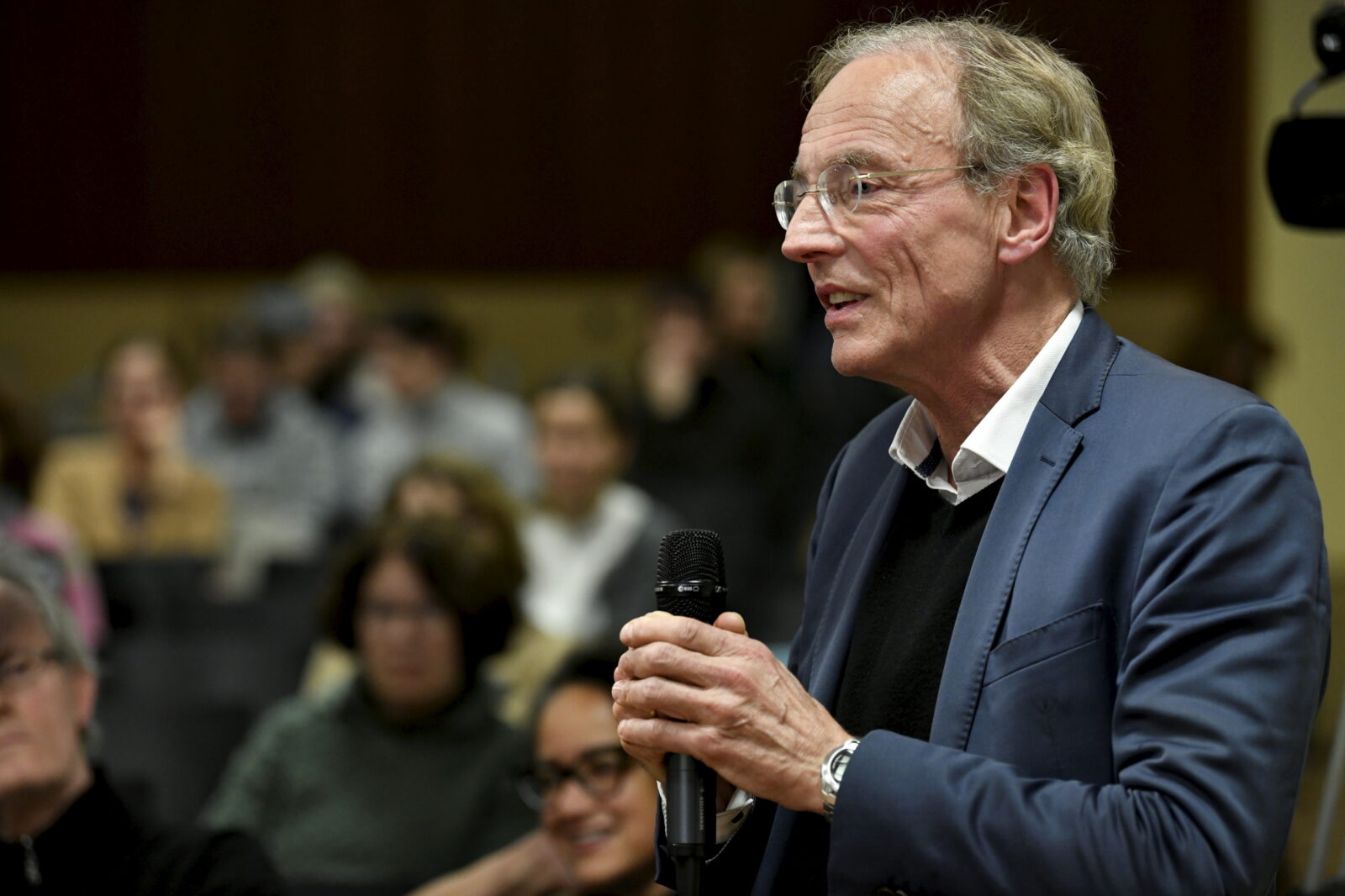
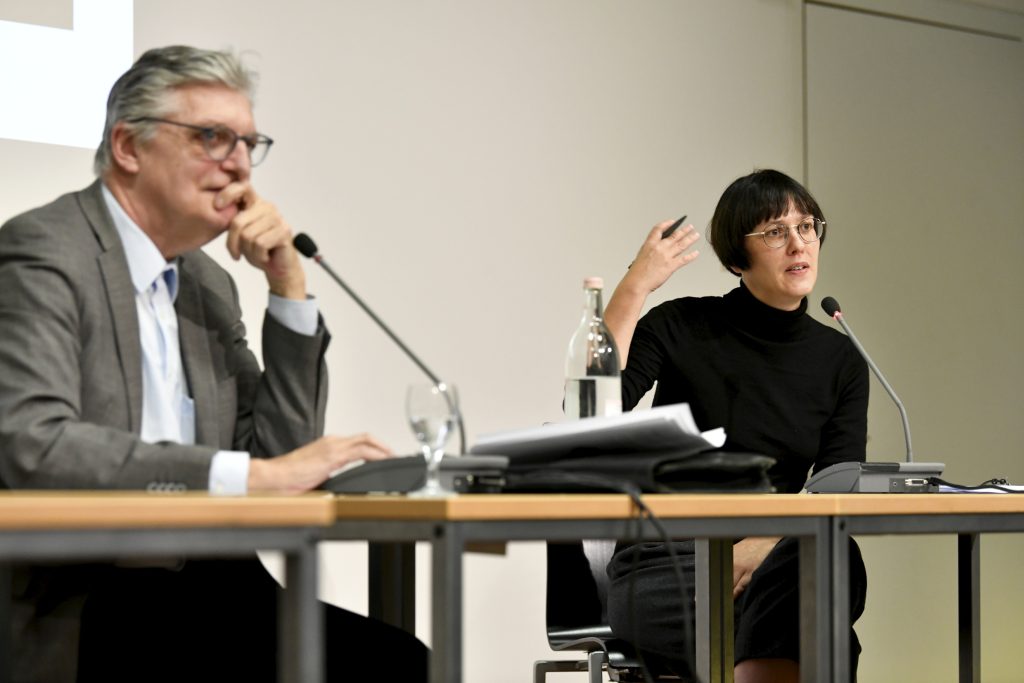
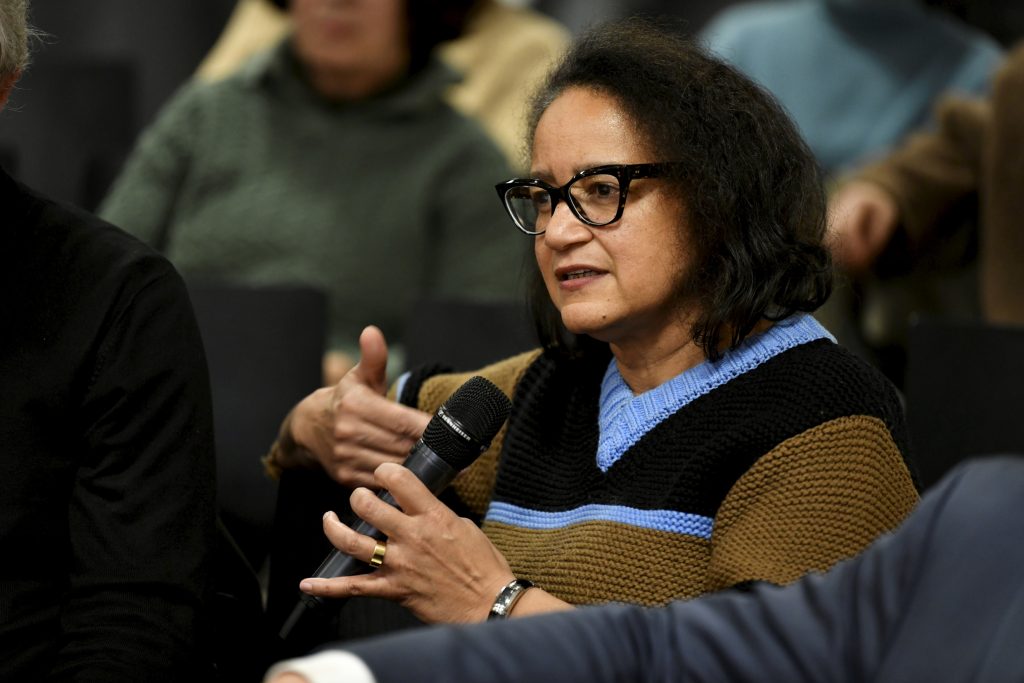
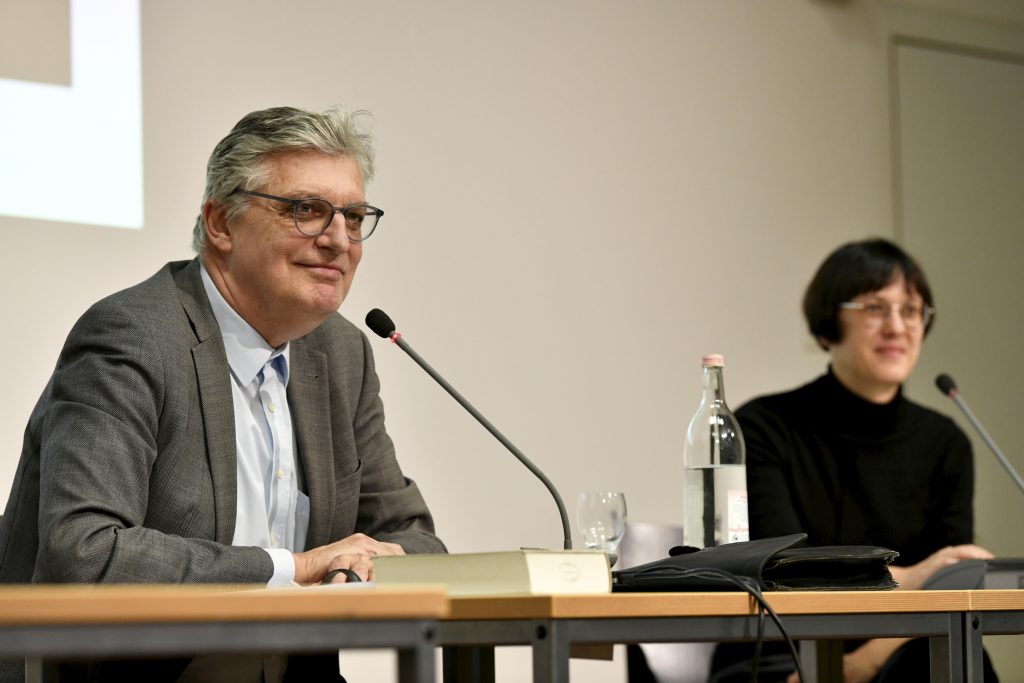
Photo credit: Niels Leiser for the Mosse Lectures
Hannah Ahlheim: Historian and professor of contemporary history at Justus Liebig University Giessen; Ahlheim was a research associate at the Center for Contemporary History Research in Potsdam and, from 2017-2018, a fellow of the Institute for the History and Future of Work at the IGK »Arbeit und Lebenslauf in globalgeschichtlicher Perspektive« (re:work) at Humboldt University Berlin; she researches the history of National Socialism, the history of anti-Semitism, the unconscious in 20th-century history and on the history of sleep and time; her study »Der Traum vom Schlaf im 20. Jahrhundert« was published by Wallstein in 2018.
Lothar Müller has worked as an editor for the Frankfurter Allgemeine Zeitung and the Süddeutsche Zeitung, and lectured at the Institute for Comparative Literature at the Free University. Since 2010, he has served as Honorary Professor in the Institute for German Literature at the Humboldt University Berlin. He is the author of numerous publications, including Adrien Proust und sein Sohn Marcel. Beobachter der erkrankten Welt (2021) and Weiße Magie. Die Epoche des Papiers (2012). He was awarded the Berlin Prize for Literary Criticism in 2013.
