
2026: Paula Oppermann, “Thunder Cross: Fascist Antisemitism in Twentieth-Century Latvia”
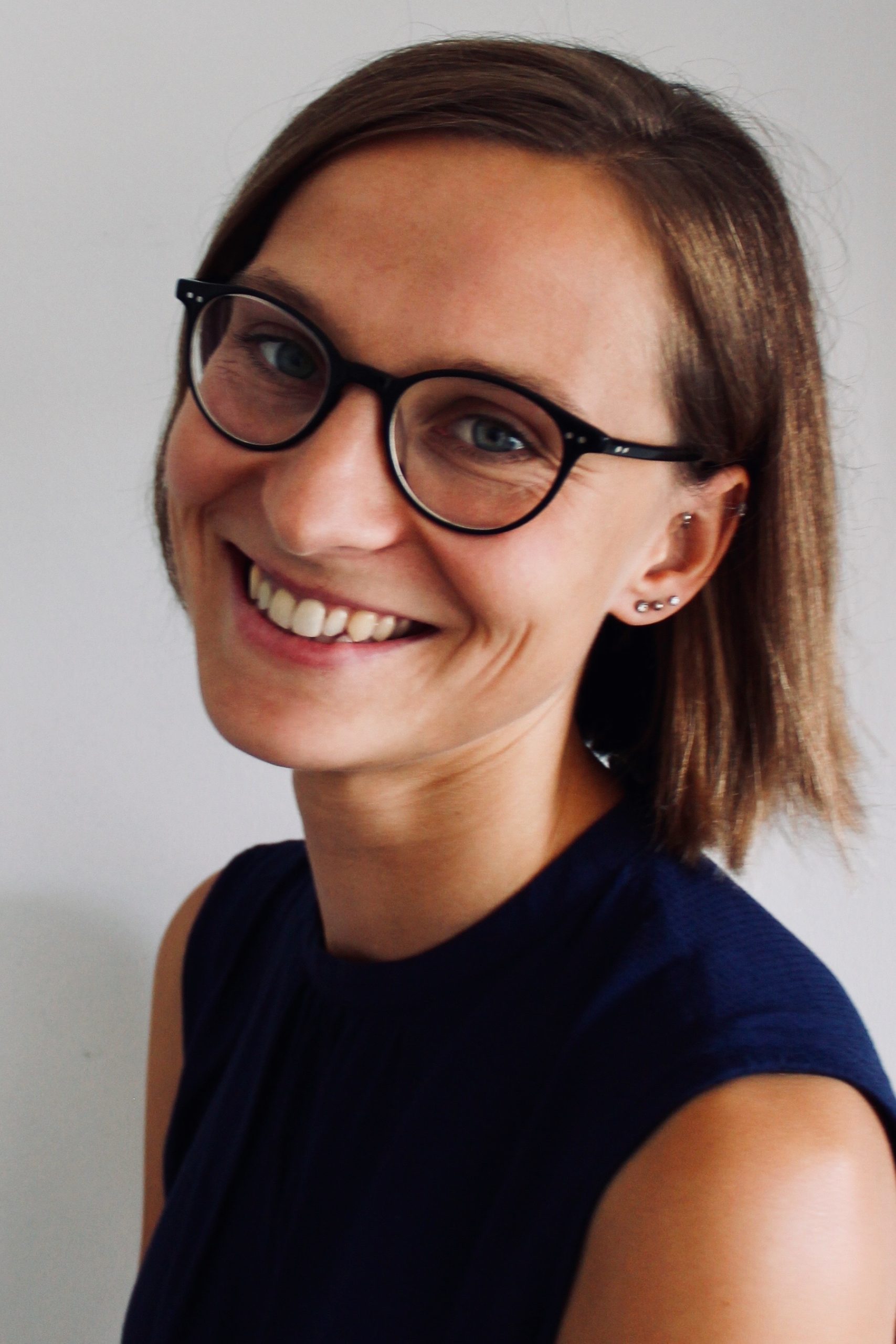
Paula Oppermann
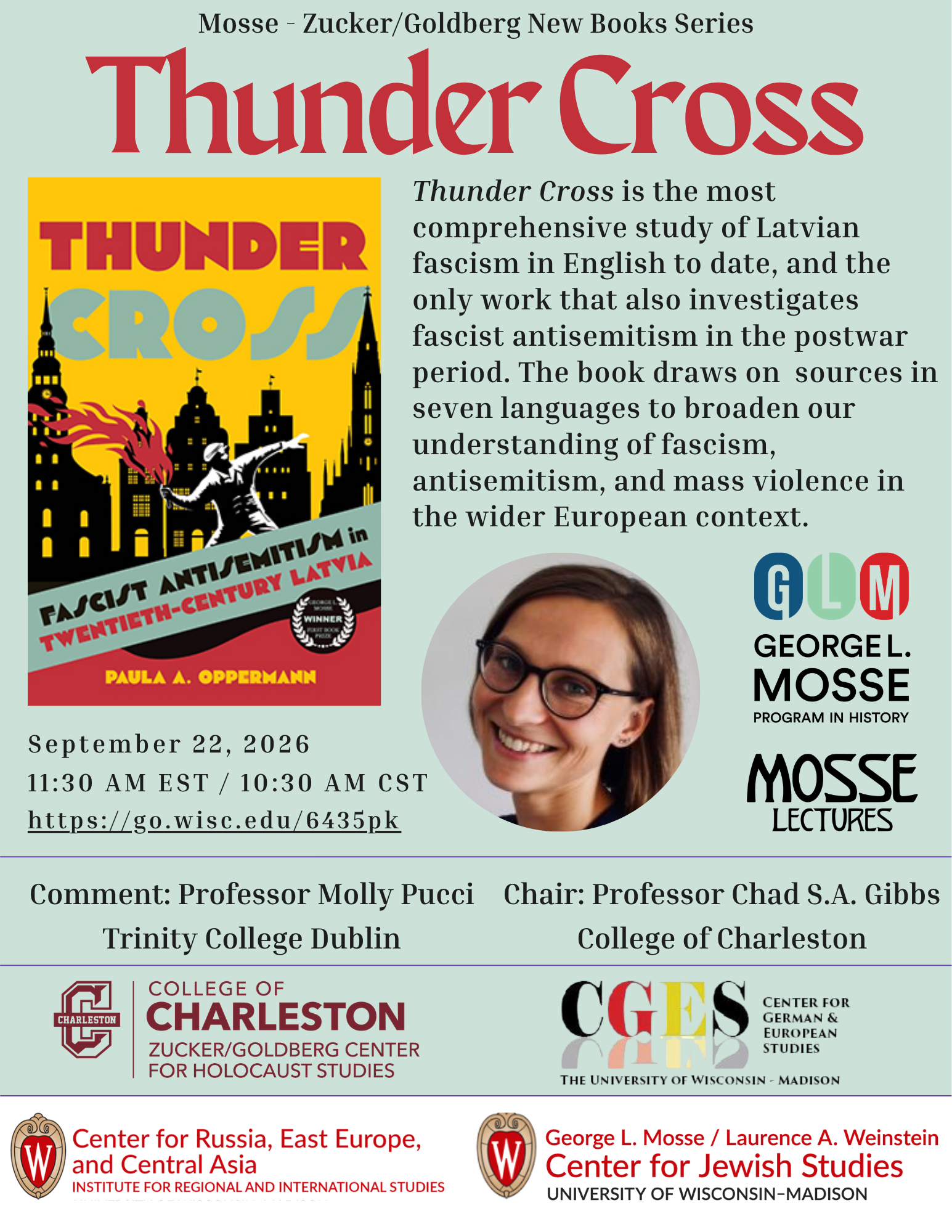
College of Charleston Mosse Lecture
Paula Oppermann, Thunder Cross: Fascist Antisemitism in Twentieth-Century Latvia (Madison: University of Wisconsin Press, 2025).
Tuesday, 22 September 2026, 10:30 CST
Comment: Molly Pucci (Trinity College Dublin)
Chair: Chad S.A. Gibbs (College of Charleston)
Sponsored by:
Global Mosse Lecture Series
George L. Mosse Program in History
Zucker/Goldberg Center for Holocaust Studies at the College of Charleston
UW–Madison Mosse/Weinstein Center for Jewish Studies
UW–Madison Center for German & European Studies
UW–Madison Center for Russia, East Europe, and Central Asia
Winner of the George L. Mosse First Book Prize

Founded in 1932, Thunder Cross (Pērkonkrusts) was the largest and most prominent right-wing political party in Latvia in the early twentieth century. Its motto—“Latvia for Latvians!”—echoed the ultranationalist rhetoric of similar movements throughout Europe at the time. Unlike the Nazis in Germany or the Fascists in Italy, however, Thunder Cross never succeeded in seizing power. Nevertheless, Holocaust historian Paula A. Oppermann argues, its movement left an indelible mark on the country. The antisemitism at the core of Thunder Cross’s ideology remained a driving force for Latvian fascists throughout the twentieth century, persisting despite shifting historical and political contexts.Thunder Cross is the most comprehensive study of Latvia’s fascist movement in English to date, and the only work that investigates the often neglected continuities of fascist antisemitism after World War II. Formulated as an empirical case study, this book draws on international and interdisciplinary secondary literature and sources in seven languages to broaden our understanding of fascism, antisemitism, and mass violence from Germany and Italy to the larger European context.

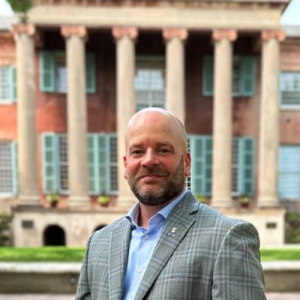
Chad S.A. Gibbs is a historian of the Holocaust, antisemitism, and war and society. His work is devoted to understanding the timing, choices, and tactics of Jewish resistance during the Holocaust. Chad makes extensive use of oral history sources and practices both inside and outside the classroom. In that area, he holds ongoing positions as an Affiliated Researcher at the USC-Dornsife Center for Advanced Genocide Research and a Scholar Interviewer with the USC Shoah Foundation.