Amsterdam Organizers
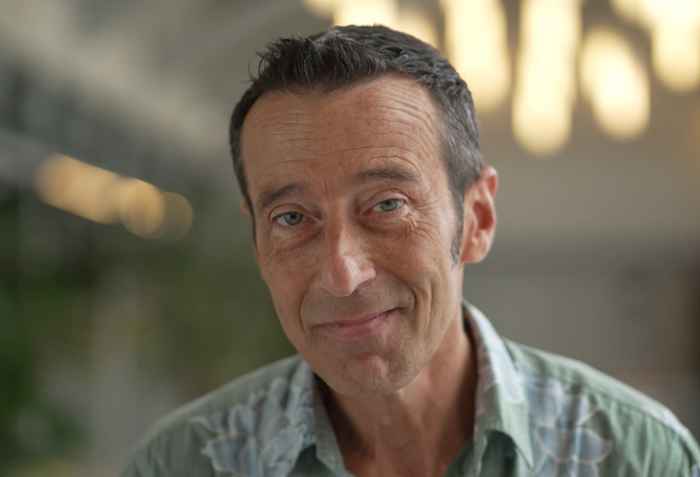
David Bos holds a MA in Theology from the University of Groningen (1990) and earned his PhD in Sociology from the University of Amsterdam (1999). His academic career bridges the disciplines of religion, sociology, and sexuality studies, while engaging with questions of identity, meaning, and public life in modern societies. He has held various academic and editorial roles, including serving as editor-in-chief of MGv, the leading monthly on mental health in the Netherlands, and as Assistant Professor in the Department of Religious Studies at Utrecht University. As a postdoctoral researcher, he conducted studies on the social acceptance of homosexuality in the Netherlands, contributing to broader conversations about sexuality, religion, and society. He co-authored the influential Out in the Netherlands study (2007) with the Netherlands Institute for Social Research (SCP).
Currently, Bos is a Lecturer in Sociology at the University of Amsterdam. He is involved in a research project examining the oppositional framing of religion and homosexuality in contemporary Dutch public discourse. His work reflects a longstanding interest in the intersection of religious life, social change, and public debate, with a focus on how lived experiences and institutional narratives shape each other in modern secular societies.
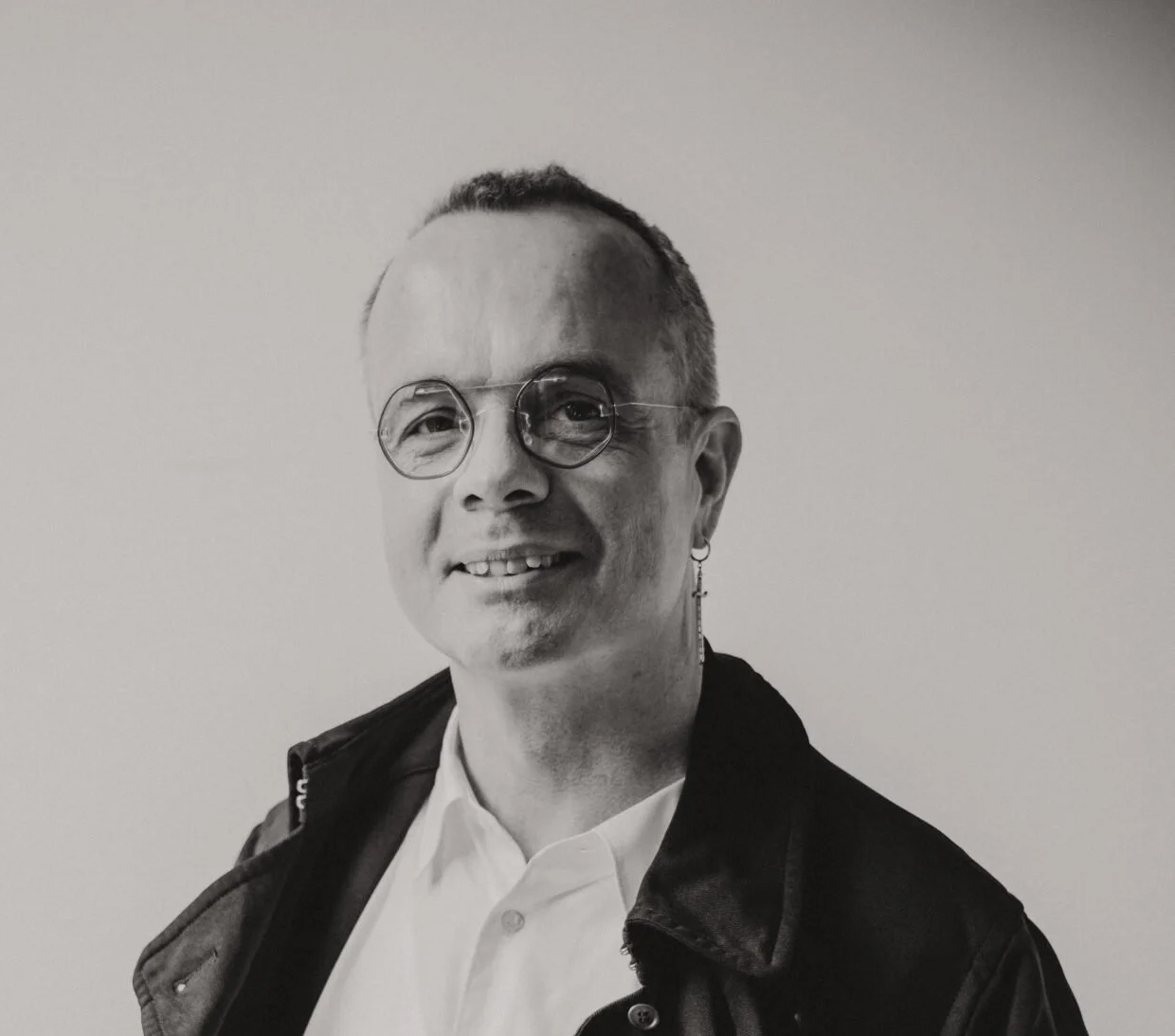
Jeroen de Kloet (Chair) is Professor of Globalisation Studies in the Department of Media Studies at the University of Amsterdam, where he is also affiliated with the Amsterdam School for Cultural Analysis (ASCA) and the Amsterdam Centre for Globalisation Studies. His research focuses on the cultural dimensions of globalization, with a particular emphasis on contemporary China and East Asia. Over the course of his career, he has written extensively on popular culture, media, music, film, digital culture, contemporary art, and the politics of cultural production. Since 2023, he has been a member of the Royal Netherlands Academy of Arts and Sciences (KNAW).
In addition to his academic work, De Kloet has played an active role in shaping scholarly and public conversations around culture, globalization, and social change. He is the founder and coordinator of the ASCA Transasia Cultural Studies Group and has held several international affiliations, including with institutions in Beijing. He currently serves as the chair of the Mosse Foundation at the University of Amsterdam, which promotes gay and lesbian studies and organizes the annual Mosse Lecture.
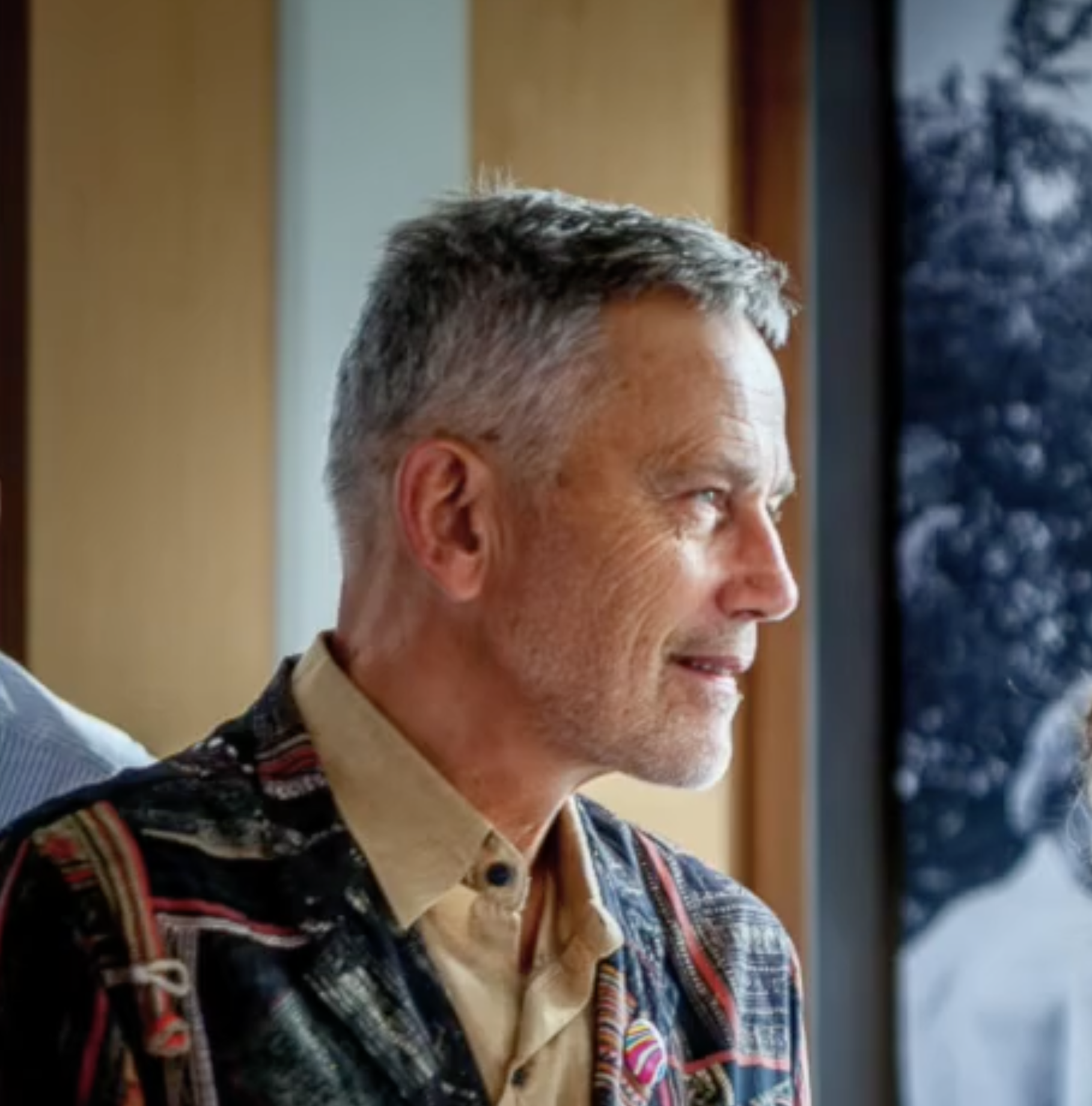
Mattias Duyves is a Dutch homosociologist and queer-activist known for his important role in Amsterdam’s LGBTQ+ scene since the 1970s. Born in the eastern Netherlands, he moved to Amsterdam in 1973, becoming deeply involved in groups like De Rooie Flikkers (The Red Queers) and community initiatives such as low-budget safe-sex events during the Gay Games in 1998. In partnership with Gert Hekma—who had been his life partner since 1977 until Hekma’s passing in 2022—they co-founded groundbreaking cultural spaces and events including the Roze Wester Festival (Pink Wester Festival) and the first vibrant homosexual public gathering at Westerkerk. Their shared vision challenged assimilationist attitudes and created queer alternatives to mainstream LGBTQ+ organizations.
Currently, Duyves continues to curate and preserve his late partner’s extensive collection of queer literature and erotica, including rare materials that IHLIA (the LGBTQ+ Heritage Library in Amsterdam) is now cataloguing. He also contributed to recent cultural projects, notably the 2024 art cahier De tedere activist (The Tender Activist), which celebrated Jacob Israël de Haan as the Netherlands’ first radical gay activist. Through his work, Duyves continues to shape the intellectual and cultural history of Dutch queer life.
Photo by: Jochem Brouwer, Amsterdam
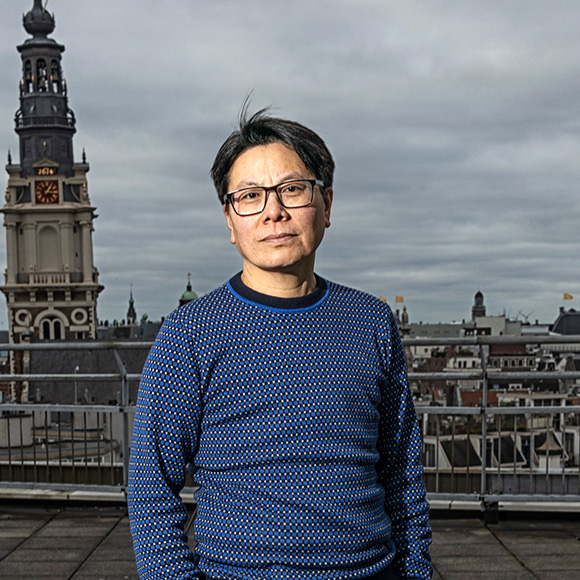
Kam Wai Kui (treasurer) is an advisor on internationalization and inclusion at the Service Bureau of the Amsterdam University of the Arts (AHK). His work focuses on making international study and exchange opportunities more accessible to a wider range of students, including students with a migrant background, first-generation students, and students who face disability-related or other barriers. At AHK, he coordinates the Erasmus Top Up grant and supports students in navigating additional funding opportunities connected to international exchange.
Kui has also been active in transgender cultural programming in the Netherlands. In the early 2000s, he directed the Netherlands Transgender Film Festival, which ran biennially from 2001 to 2009 and was initiated and organized by the T-Image Foundation. He currently serves as treasurer of the Mosse Foundation at the University of Amsterdam.
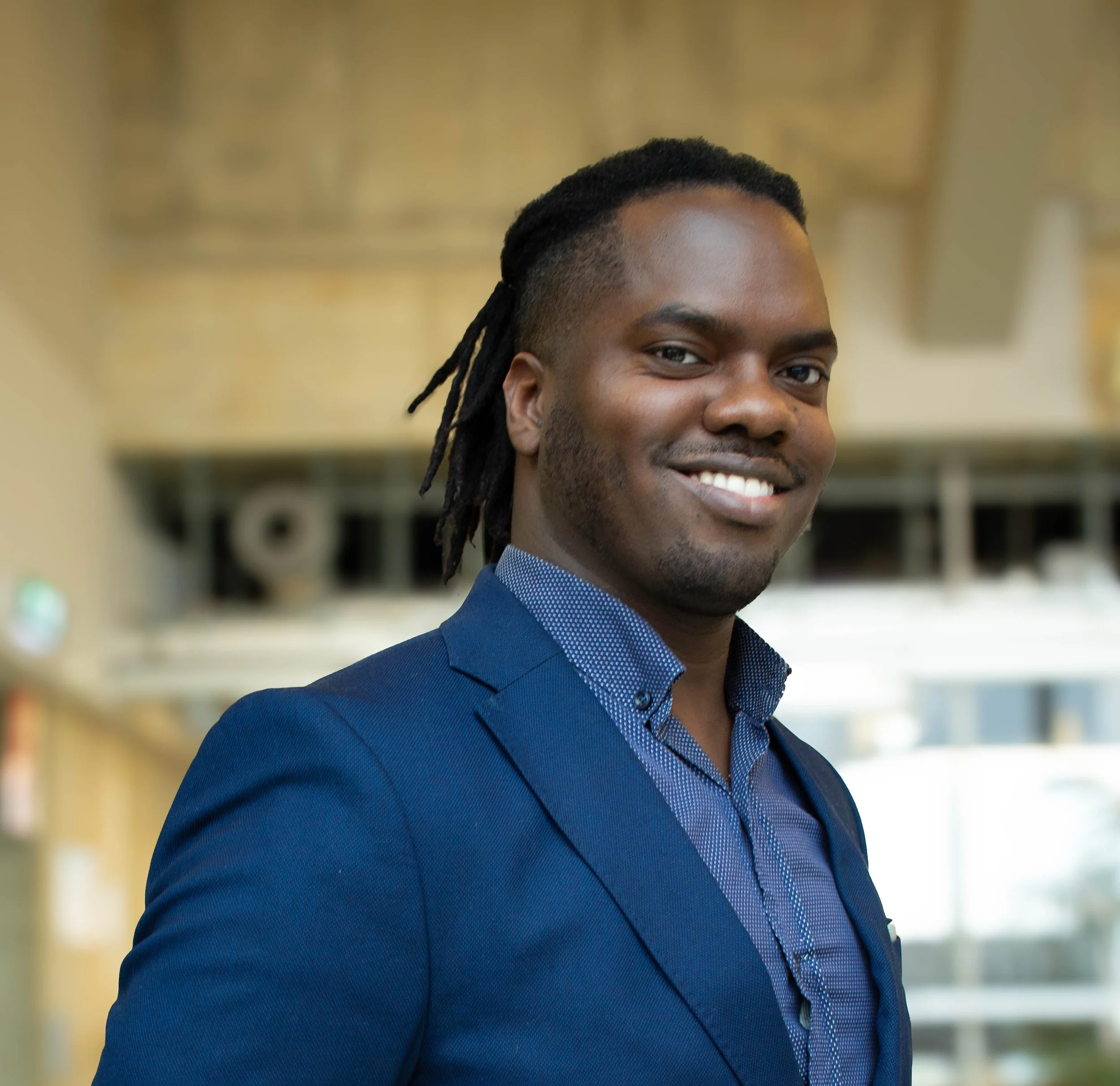
Wigbertson Julian Isenia is an Assistant Professor in the Department of Anthropology at the University of Amsterdam. Trained in Cultural Analysis, they work at the intersection of anthropology, postcolonial studies, sexuality studies, queer studies, and archival research. Their scholarship focuses especially on Curaçao and the Dutch Caribbean, examining how race, gender, sexuality, coloniality, and cultural memory are articulated through archives, literature, theater, performance, and language.
Their work has appeared in journals such as Tijdschrift voor Genderstudies, Feminist Review, and Small Axe, as well as in edited volumes including The Routledge Companion to Sexuality and Colonialism. Their article “Looking for Kambrada: Sexuality and Social Anxieties in the Dutch Colonial Archive, 1882-1923” received an honorable mention for the 2019 Gregory Sprague Prize from the Committee on Lesbian, Gay, Bisexual & Transgender History. Isenia is also a member of the board of the Mosse Foundation at the University of Amsterdam.
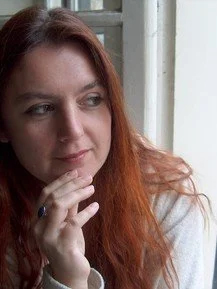
Marie-Louise Janssen is a Lecturer in Gender and Sexuality Studies at the University of Amsterdam, affiliated with the Faculty of Social and Behavioural and the program group “Political Sociology: Power, Place and Difference.” Her teaching and research focus on gender and sexuality studies, social sciences, and research methods, and she has published extensively on the intersections of sex work, migration, and human trafficking. She received her PhD in 2007 with a dissertation titled “Sex Workers on the Move: Latin American Women in the European Sex Industry,” based on ethnographic fieldwork and life stories of Latin American sex workers.
Before and alongside her academic work, Janssen has been involved in activist and NGO work related to her teaching and research. After working in Nicaragua on women’s projects, she returned to the Netherlands and continued working with Latin American sex workers. In 1993, she co-founded Foundation Esperanza, a Colombian-Dutch NGO dedicated to preventing and combating trafficking in Latin American women and to providing shelter and legal support for victims of trafficking in the European sex industry. Her current research focuses on the state regulation of sex work in Curaçao. Janssen also serves as a board member of the Mosse Foundation at the University of Amsterdam.
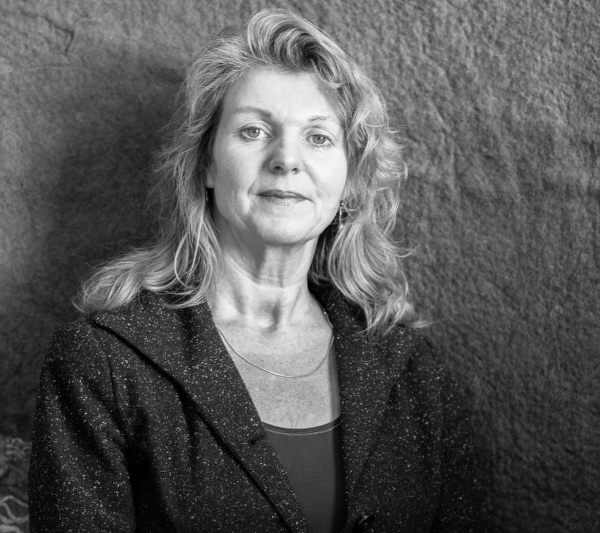
Lonneke van den Hoonaard is a librarian, information professional, and queer heritage expert who, since 2009, has served as Managing Director of IHLIA LGBT Heritage in Amsterdam. With a background in coordinating libraries and information services—especially within non-profit contexts—she has led IHLIA through a critical professionalization phase, enhancing its public outreach, digital accessibility, and international standing. Under her leadership, IHLIA, a center with roots dating back to 1978 and housing over 160,000 archival items, solidified its position as an inclusive and flexible space for preserving LGBTQ+ history globally.
Additionally, van den Hoonaard is an active advocate and leader in the field of queer archives. She engages in public dialogue about archival challenges, such as neutrality, privacy, and digitization. Most recently, in the 2022 Genderview conversation with Bart Hellinck, she affirmed that “without LGBTQ‑archives, there is no queer history.” As a recognized figure in the Dutch LGBTQ+ community, she was named one of the 100 most impactful LGBTQ+ individuals in the Netherlands in 2020 by Gaykrant. Van den Hoonaard has curated and contributed to several IHLIA publications and exhibitions—such as the Queering the Collections guides—and remains dedicated to making queer heritage more visible, inclusive, and forward-looking.

IHLIA LGBTI Heritage (Internationaal Homo/Lesbisch Informatiecentrum en Archief) is Europe’s foremost LGBTQ+ archive, library, and documentation center. Founded in 1977, it has grown into a comprehensive repository housing over 100,000 books, periodicals, personal papers, photographs, film and video, posters, and artworks related to lesbian, gay, bisexual, transgender, and intersex history and culture. Operating within the public library system of Amsterdam, IHLIA offers open public access, scholarly research facilities, exhibitions, and outreach programs, including educational workshops, guided tours, and community events, with the goal of preserving and celebrating LGBTQ+ heritage from around the globe.
In addition to its extensive collections, IHLIA plays a vital role in digital preservation and international collaboration. Through partnerships with cultural institutions and community groups, it actively supports digitization projects and public-history initiatives. These include cataloguing major personal archives, facilitating academic publications, and curating exhibitions that explore queer memory and identity. IHLIA continues to be an essential resource for researchers, activists, educators, and artists, ensuring that the diversity and richness of LGBTQ+ lived experience remain visible, accessible, and connected to broader societal conversations.
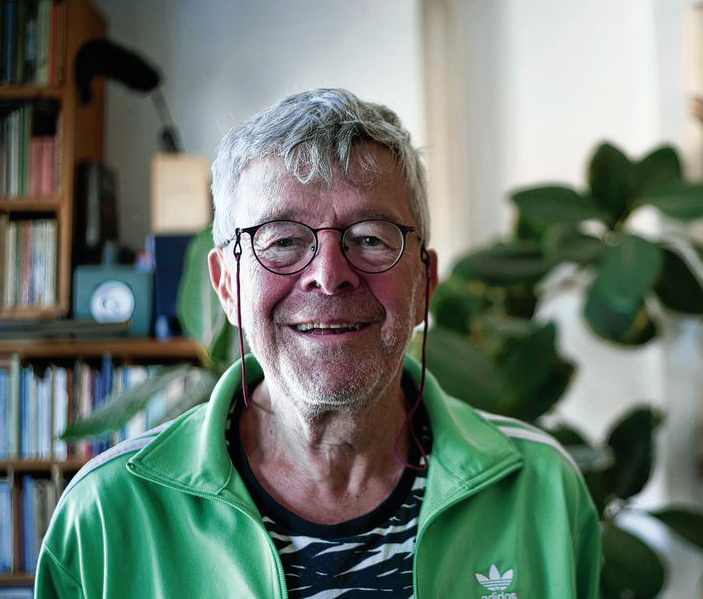
Gert Hekma (1951-2022) was a lecturer in gay and lesbian studies at the University of Amsterdam (UvA, Department of Sociology) from 1984 to 2017. He published numerous articles and books, including Homoseksualiteit, een medische reputatie [Homosexuality, A Medical Reputation] (1987), De roze rand van donker Amsterdam [The Pink Edge of Dark Amsterdam] (1992), Homoseksualiteit in Nederland van 1730 tot de moderne tijd [Homosexuality in the Netherlands from 1730 to the Modern Era] (2004), and ABC van perversies [ABC of Perversions] (2009). His work combined historical research with cultural critique and always insisted on the importance of sexual freedom, even at the cost of public controversy.
Beyond his writings, Hekma gave lectures, organized conferences, and led all kinds of other initiatives around the theme of gay/lesbian/sexuality. In 2002, he co-founded the Mosse Foundation, which supports research and education in the history of homosexuality and sexual diversity. A sharp critic of respectability politics within the LGBTQ+ movement, Hekma frequently appeared in public debates, often courting controversy for his unapologetic defense of sexual freedom and intellectual provocation. Upon his retirement, he was honored with the opportunity to deliver the annual Mosse Lecture.