
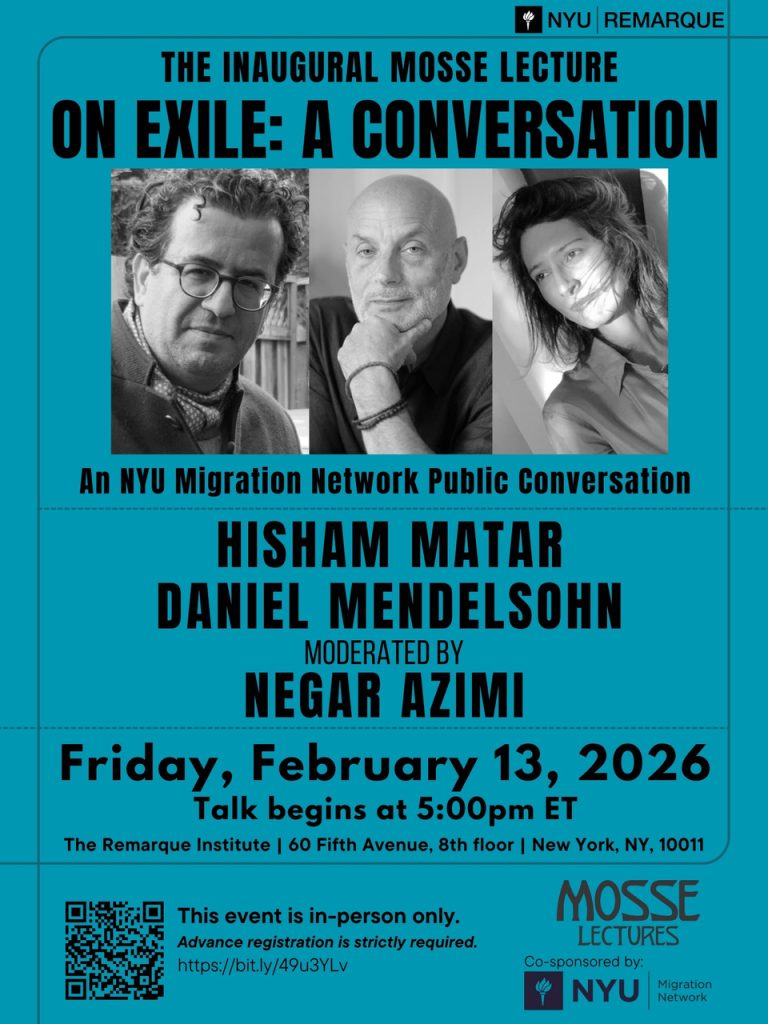
2026: Hisham Matar, Daniel Mendelsohn, “Exile”
Hisham Matar, Daniel Mendelsohn
Remarque Institute, NYU, 60 5th Ave 8th Floor New York, NY 10011
Exile was a deeply personal and profoundly intellectual theme for two generations of European writers, including George and Hilde Mosse, as well as the Institute’s namesake: Erich Maria Remarque. Living in exile deeply influenced how Europeans—especially exiled Germans, European Jews, and Russians—abroad thought of their relationship to the homelands to which they aspired to return. Some sought to express the ways in which they were carrying something of the Old World with them, others to think about that world and its inaccessibility. Reflecting on Hilde’s life in March 1982, George outlined how Hilde found “an almost superhuman strength” after being displaced. After leaving Germany, she overcame her natural shyness and self-doubt to speak defiantly against fascism on Swiss radio out of Basel. It was exile that drove Hilde to dedicate herself to cultivating critical minds and improving the mental health landscape of New York City.
As scholars have long recognized—and as they begin to ask new questions of the subject—intellectual attitudes on exile of course varied considerably and have been largely determined by the experience itself, something scholars long recognized but have begun to interrogate anew. Remarque himself famously told a reporter that “I do not think in German nor feel German, nor talk German. Even when I dream it is about America, and I swear, it is in American,” whereas Thomas Mann no less famously declared upon arriving in America that he hadn’t left Germany behind, that Germany was simply where he was. Others—from Alexander Solzhenitsyn, who wrote much about his own exile, to Zhang Ailing, who never managed to break into American letters as she had in China—inhabited variable, often extremely precarious worlds, in which they both profited creatively and suffered greatly. The émigré generation has continued to provide an intellectual framework for artists and scholars currently displaced from their homelands.
And yet exile is historically contingent; it remains today a particularly tricky and confusing concept. Is it something we use specifically for intellectuals and to understand prohibited speech? Does it really exist anymore in the same way that Hilde and George experienced in the twentieth century? How has it mutated? In what way can we think of refugees or those seeking political asylum as exiles? How do we single out—or interweave—these different concepts? Put another way, how do we rethink the history of the twentieth century across the history of exile from our perspective today? And, in more contemporary questions: Who gains the place or disposition of an émigré, of a writer in exile—and how do they do so? What kind of symbolic capital does exile rely on, or feed into? How and where are exiles welcomed today? In what ways is the tide shifting given new political trends and policies on migration and refugees? Where does the concept begin and end?
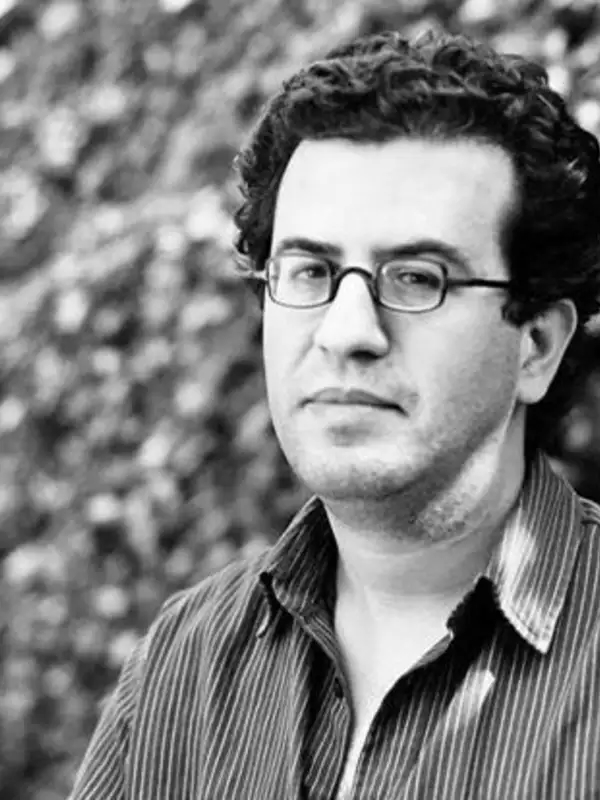
Hisham Matar spent his childhood in Tripoli and Cairo and has lived most of his adult life in London. His debut novel, In the Country of Men (2006), was shortlisted for the Man Booker Prize and The Guardian First Book Award, and won numerous international prizes, including the Royal Society of Literature Ondaatje Prize and a Commonwealth First Book Award. His second novel, Anatomy of a Disappearance, was published to great acclaim in 2011. His prize-winning memoir, The Return, was published in 2016 and was the recipient of the 2017 Pulitzer Prize, the PEN/Jean Stein Award, the Prix du Livre Etranger Inter & Le Journal du Dimanche, the Rathbones Folio Prize, and The Slightly Foxed Best First Biography Prize. It was one of The New York Times’ top 10 books of the year. Matar’s work has been translated into thirty languages. He is a Fellow of the Royal Society of Literature. Professor Matar is the founder and principal curator of The Barnard International Artists Series, a forum for considering the world through the works of living artists.
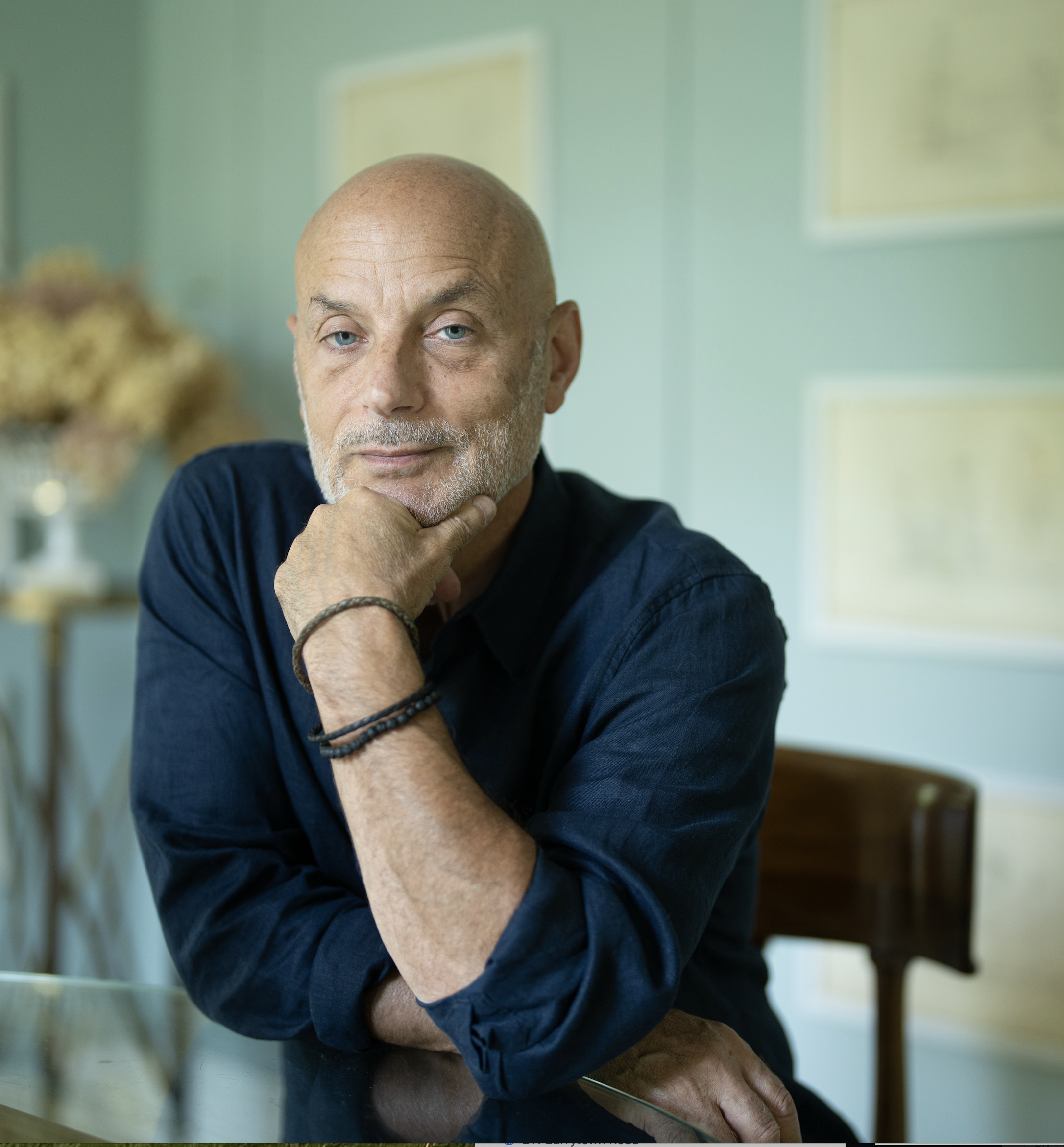
Daniel Mendelsohn is an internationally bestselling author, critic, essayist, and translator. Born in New York City in 1960, he received degrees in Classics from the University of Virginia and Princeton. After completing his PhD he moved to New York City, where he began freelance writing full time; since 1991 he has been a prolific contributor of essays, reviews, and articles to many publications, most frequently The New Yorker and The New York Review of Books. He has also been a contributing editor at Travel + Leisure and a columnist for The New York Times Book Review, Harper’s, and New York magazine, where he was the weekly book critic. In February 2019, he was named Editor-at-Large of the New York Review of Books and the Director of the Robert B. Silvers Foundation, a charitable trust that supports writers of nonfiction, essay, and criticism.
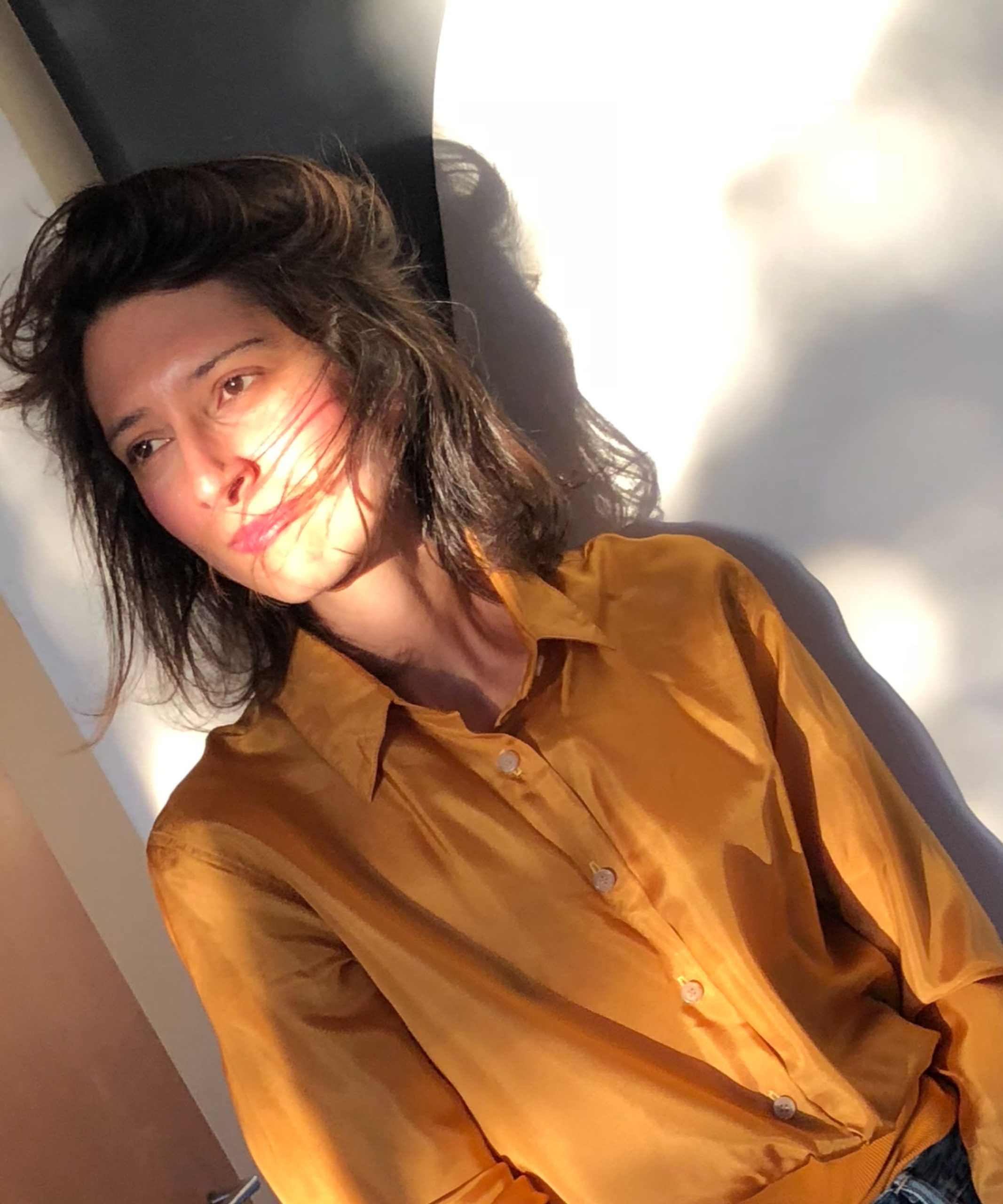
Negar Azimi is a writer and editor and occasional curator. She is the Editor-in-Chief of the publishing and curatorial project Bidoun, a former fellow at the Cullman Center for Scholars and Writers at the New York Public Library, a member of the Beirut-based Arab Image Foundation, and a board member of Artists Space. Her essays, criticism, and reportage have appeared in Artforum, Bookforum, Frieze, Harper’s, The New Yorker, The New York Review of Books, The New York Times and elsewhere. She studied biology, politics, and anthropology at Stanford, Harvard, and Columbia. With Pati Hertling she organizes the epistolary series Deadlines and Divine Distractions.